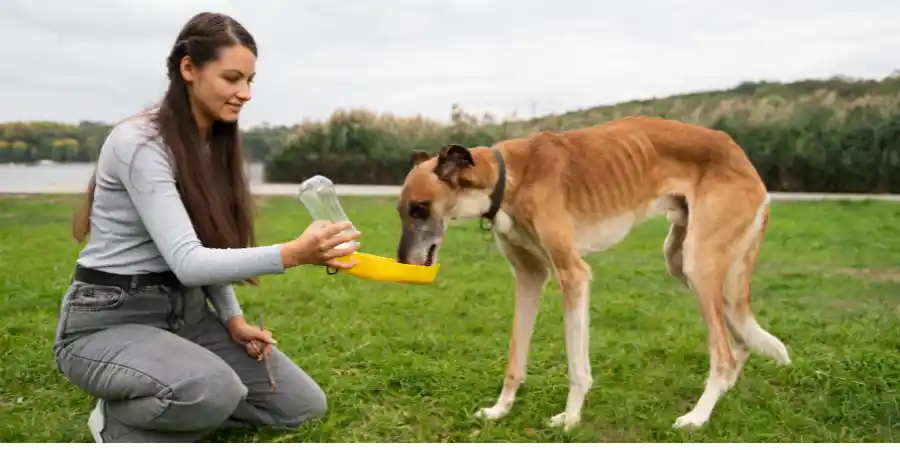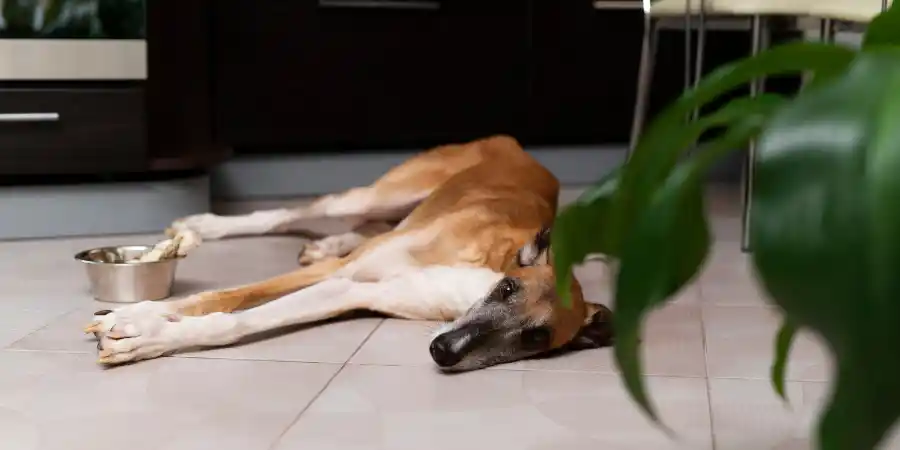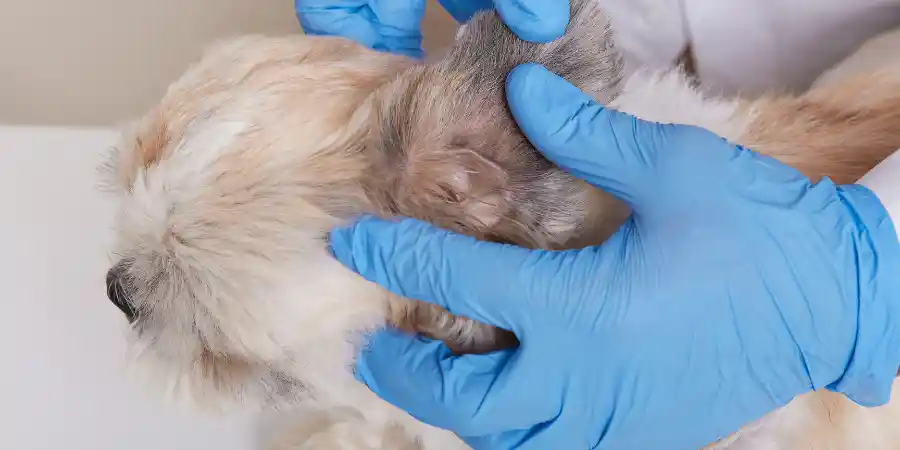
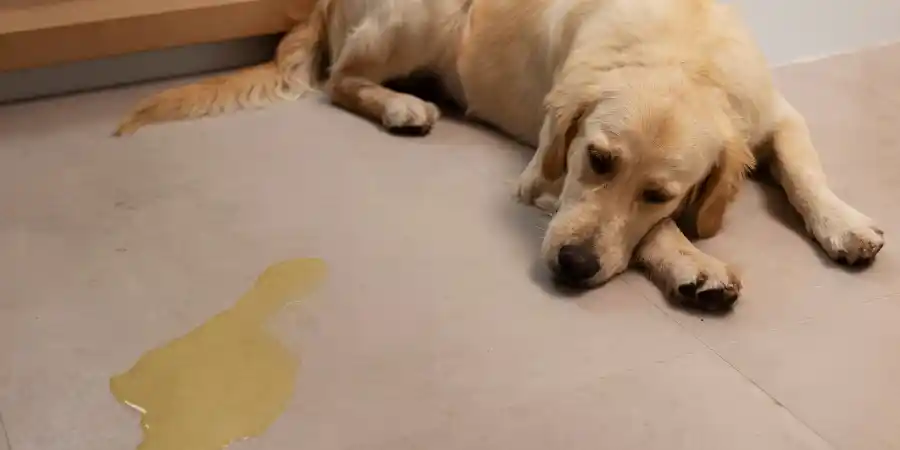
As a pet owner, I know how worrying it feels when my canine friend shows tummy issues, especially vomiting yellow foam. Because every four-legged companion is part of the family and means so much to all its members.
From my own time working with dogs and talking to a veterinary doctor, I’ve learned that this trouble is not always an emergency but often has logical causes linked to digestive health, occasional hunger, or a small bout of stress, and while this can signal that your furry pet needs help, it is important to understand what it may mean, seek the right explanation, and call a professional when needed, because being informed is the best way to protect your companion and support their well-being.
Why is my dog vomiting yellow foam?
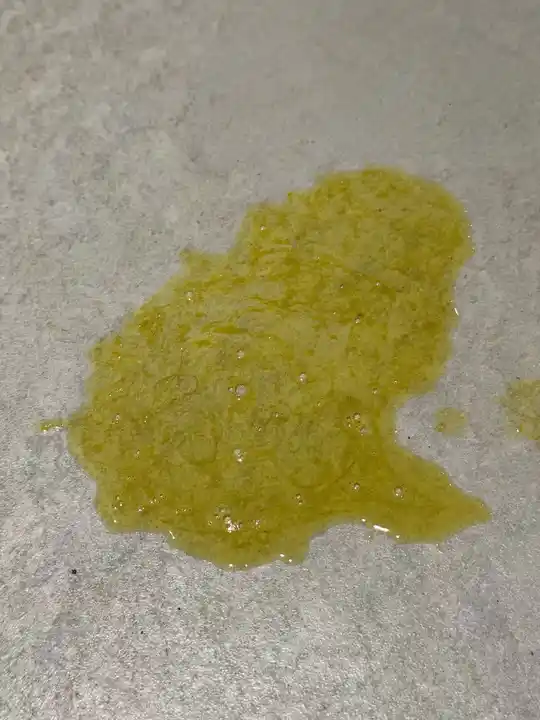
From my experience as a dog owner, when my pet is throwing up yellow foam, it is usually linked to bile, a digestive fluid from the stomach when it is empty, often after long fasting periods, especially in the morning, and this condition, called Bilious Vomiting Syndrome, happens when bile backs up and irritates the stomach lining, indicating a problem, and it commonly occurs due to dietary indiscretion, allergies, or hunger, but it can also stem from underlying illnesses like pancreatitis, which makes repeated vomiting a sign that needs attention.
Dog throwing up yellow foam often happens when the stomach is empty or irritated, especially early in the morning.
If your dog throwing up yellow foam becomes frequent, it’s a good idea to check with a vet to rule out digestive issues.
Dog vomiting yellow foam often happens when the stomach is empty, but it can also point to bile issues or irritation.
If your dog vomiting yellow foam continues or comes with other symptoms, it’s best to get it checked by a vet quickly.
It Begins With Bile
From my years of caring for a dog, I have learned that vomiting yellow foam is typically caused by bile leaking into the stomach and reacting with acid, because this fluid is produced in the liver and gallbladder to aid the digestive system by breaking down fats, improving absorption, and supporting vital nutrients, and when it is vomited, it may appear foamy, bubbly, or even greenish in color, which helps me understand what is happening inside my pet’s body.
What Causes Vomiting in Dogs?
As a pet owner, I often ask myself why is my dog vomiting yellow foam, and from experience, I have learned that when a dog starts vomiting yellow foam, there are many reasons behind it, and most of the time, it is just a temporary bout of tummy upset that should not cause too much worry, but sometimes it can be a sign of a bigger problem, especially when it is accompanied by other symptoms, which is why I always pay attention to the common causes seen in dogs and take action early to protect my pet’s health. Here are some common causes of vomiting in dogs:
Empty Stomach Syndrome
If you’ve ever wondered why is my dog vomiting yellow foam, I’ve noticed that dogs often vomit bile in the morning when their stomach is empty, which can cause nausea and vomiting due to intestinal fluid backflow after a long fasting period between their evening and morning meal, and a late-evening snack might relieve this issue, though it’s speculated that early fluid buildup in their tummies can trigger these symptoms, so observing your pet closely helps you respond quickly.
Acid Reflux
Just like humans, dogs can have acid reflux, a condition that occurs when stomach acid moves up into the esophagus, and these dogs may burp, experience retching, or vomiting, and overweight pets are more prone to this issue, which is why monitoring eating habits and body weight is essential to keep their digestive system healthy.
Gastritis
Gastritis occurs when the stomach lining becomes inflamed, causing dogs to experience sudden vomiting and lack of appetite, and common causes include consuming spoiled foods, kitty litter, swallowing foreign objects, or ingesting other substances that are toxic to dogs, which is why I always watch what my pet will eat and intervene when needed to protect their health.
Other Causes of Gastrointestinal Problems
THERE ARE MANY HEALTH CONDITIONS THAT CAN CAUSE DIGESTIVE ISSUE AND CAN CAUSE VOMIT YELLOW FOAM INCLUDE:
Food Allergies
Addison’s Disease
An Intestinal Blockage
Pancreatitis
Certain cancers
Viruses
Bacterial Infection
Ulcers
What To Do if Your Dog Is Throwing Up Yellow?
From my experience, when yellow bile vomiting starts happening, the first step is to keep your dog closely monitored at home, because if your dog vomits once and is otherwise doing well, eating normally, and not showing any symptoms, it is OK to continue monitoring them over a short period of time.
If they vomit more than once within 24 hours, or if other symptoms are showing, you should see a veterinarian the same day to ensure nothing serious is going on, and likewise, if your dog is chronically vomiting bile, even just once in the morning but regularly over their time, a vet visit is needed, because acting early might prevent bigger problems later.
When to Call the Veterinarian
When trying to understand why is my dog vomiting yellow foam, it’s crucial to recognize that dogs with digestive issues can face very uncomfortable moments, and it’s important to have a veterinarian diagnose the underlying cause; you should contact them right away if vomiting happens more than once a day, occurs in conjunction with other symptoms like diarrhea or lethargy, or if your dog is consistently vomiting yellow bile.
Gastrointestinal problems can indicate a serious condition and careful attention can make a difference for your pets’ health. If your dog is experiencing digestive issues, please contact your vet .
Conclusion:
Seeing your dog vomit yellow foam can be upsetting, but it often has clear and manageable reasons, ranging from an empty stomach and bile reflux to digestive upset or underlying health conditions. Paying close attention to patterns, timing, and other symptoms helps you decide when simple home care is enough and when veterinary attention is necessary. From my own experience, staying calm, informed, and observant makes a real difference , early action, proper feeding habits, and timely vet care are the best ways to protect your dog’s comfort, health, and long-term well-being.
At mydogwell.com, we keep things simple. No complicated terms, no confusing information—just practical advice to help you understand your dog better and keep them healthy.
FAQ’s
What do you do if your dog is throwing up yellow foam?
when a dog shows vomiting with yellow foam, it usually indicates an empty stomach, bile irritation, or hunger-related reflux linked to Bilious Vomiting Syndrome, and in my experience, immediate short-term treatment includes fasting for a few hours, followed by a bland diet with boiled chicken, white rice, and feeding smaller, frequent meals, especially a light snack before bedtime, while I also monitor for dehydration, and if symptoms persists, I always consult a vet to protect my pet’s health.
Should I feed my dog after vomiting yellow bile?
I’ve learned from experience that I should not feed my dog immediately after they vomit yellow bile, because it often means the stomach is empty, so I withhold food for a few hours to let their stomach settle, then offer a small, bland meal, since feeding too soon can cause more vomiting, and if it continues or my pet feels lethargic, I always consult a veterinarian to protect your pet’s health.
When should I see a vet for a dog’s yellow vomit?
It is essential to consult a vet when your dog vomits repeatedly, shows signs of lethargy, has a loss of appetite, or exhibits any additional concerning symptoms, because prompt veterinary care can help identify underlying issues, and from my experience, consulting early often prevents bigger problems later.
What are the first signs of poisoning in dogs?
I always stay alert for first signs of dog poisoning, which include gastrointestinal issues like vomiting, diarrhea, and drooling, along with behavioral changes such as lethargy, agitation, or confusion, and even neurological symptoms like tremors, unsteady gait, or seizures, and these signs can vary greatly depending on the toxin, appearing immediately or days later, so immediate vet contact is crucial, because acting fast can protect your pet’s life.
Is yellow bile vomit an emergency?
If your dog vomits bile more than once, your dog could be having a medical condition responsible for the problem, because yellow bile usually is the result of changes in the body due to an underlying condition, and from my experience, paying attention early helps prevent bigger health risks.
⚠️ MEDICAL DISCLAIMER: This article is for
informational purposes only. MyDogWell.com is not
operated by licensed veterinarians. Always consult
with a licensed veterinarian before making any
health decisions for your dog.
[Read Full Medical Disclaimer] :https://mydogwell.com/medical-disclaimer/