As someone who has seen many dog cases over the years, I can say yeast issues are very common and often one of the main reasons pet parents bring their pup to the veterinarian.
Because incessant scratching and biting around the paw, paws, ear, and ears usually leads to moisture getting trapped on the skin. Which then develops a strong smell that is widely-reported as the Frito odor to manage these infections.
Owners need to know how to keep areas dry, prevent buildup after walks or baths and follow practical tips I’ve learned through experience, since acting early helps your dog stay comfortable.
So read on to discover simple ways to care for your pup while understanding why these problems start and how daily habits make a real difference.
How to Get Rid of a Yeast Infection in Your Dog?
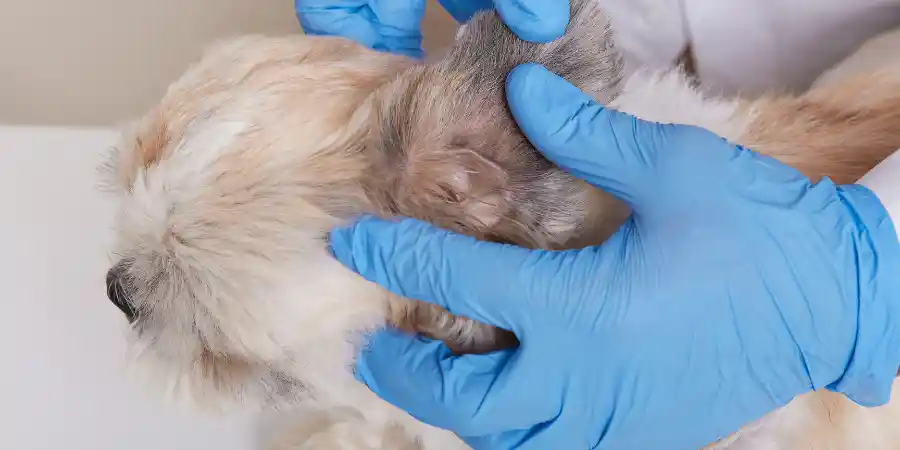
To get rid of yeast in a dog , I usually advise pet owners to work closely with a veterinarian.Because a prescribed anti-fungal ointment such as miconazole or nystatin, along with a medicated cleanser, helps remove debris and control infections effectively.
From my hands-on experience, you must treat consistently for 1–3 weeks, ensuring the ears , paws and skin is kept dry, especially after swimming.
At Home Natural Remedies for Treating Yeast Infection:
while some natural remedies include diluted apple cider vinegar or coconut oil, though a professional diagnosis remains the best approach when dealing with stubborn cases.
Key Takeaways
What Are Yeast Infections in Dogs?
When a dog starts to frantically itch their skin, owners often notice a bad smell or greasy fur while touching their pet, and in my experience this is often the first sign of a yeast infection caused by fungal organisms that normally live on the body without causing problems. These organisms stay balanced until the immune system weakens, allowing trouble to begin.
A deeper look usually shows an underlying health condition such as hypothyroidism being present, which lets yeast overgrow and cause irritation; one type, Malassezia, commonly affects skin infections in dogs because it grows best in warm, moist areas. Over time, I’ve seen this lead to extreme itchiness, visible changes, thickening, and discoloration that worry many owners.
These infections are common in pups of all ages, and while they are not medical emergencies, they should be treated by a veterinarian immediately to prevent symptoms from worsening. If untreated, the discomfort can lead to decreased appetite and lethargy, often necessitating prompt veterinary care in my clinical observations.
Most cases develop as secondary issues linked to another illness or a suppressed immune response, which is why these infections are not contagious to other dogs or to pet parents, even though they can look alarming at first glance.
Types of Yeast Infections in Dogs
Yeast infections can affect various areas of the skin, including the ears, skin folds, paws, armpits, vulva, and groin.
Ears
- dog ear yeast infections, sometimes called yeast otitis, cause a thick, brown discharge and strong odor in the ear canal, and affected dogs often repeatedly scratch their ears to relieve discomfort, shake their heads, and develop a head tilt; these ear infections are commonly related to food allergies, so recognizing the signs early helps dogs get proper care before the discomfort worsens.
They are also more common in dog breeds with long ears, such as Cocker Spaniels, Labrador Retrievers, and Basset Hounds.
Skin
- yeast dermatitis refers to a yeast infection on the skin where affected dogs develop a musty odor, greasy coat, flaky or thickened skin, and hair loss, and they often tend to lick the affected areas of the body, which leads to brown discoloration of the skin over time.
*Dermatitis, which is often due to allergies or a suppressed immune system, can affect a dog’s skin folds, armpits, vulva, and groin.
Paws
- dog paw yeast infections are generally related to environmental allergies, including grass and pollen, and dogs often constantly chew or lick their itchy paws, which leads to brown discoloration between the paw pads, and over time, open sores can develop on the paws, making early detection and care essential.
Symptoms of Yeast Infections in Dogs
Signs of yeast infections in dogs can vary depending on what area of the body is affected.
Symptoms of yeast otitis may include:
- Red, inflamed ear canals
- Thick, brown ear discharge
- Strong odor
- Scratching of the ears
- Shaking of the head
Symptoms of yeast dermatitis may include:
- Strong odor
- Greasy hair coat
- Thickened skin
- Frequent licking or chewing of the affected area
- Brown discoloration of the skin
- Small, red bumps on the skin
- Itchy skin
Symptoms of a yeast infection affecting the paws may include:
- Brown discoloration of the skin and fur
- Licking and chewing the paws
- Red, moist areas between the paw pads
Causes of Yeast Infections in Dogs
From my hands-on experience, yeast is opportunistic, meaning it is naturally present on the skin but can cause an infection when conditions become favorable, which explains why yeast infections in dogs can suddenly develop even when a pup seemed healthy before.
I often see problems start when a weak immune system or an underlying health condition exists, because environmental or food allergies can predispose dogs to developing repeated yeast infections that are harder to control over time.
In many cases, skin parasites like fleas and mites make dogs repeatedly itch their skin, which disrupts the normal skin barrier, making an infection more likely and allowing yeast to thrive where it normally wouldn’t.
Certain breeds, including Pit Bulls, Boxers, and Cocker Spaniels, are frequently affected by yeast infections, and recognizing this pattern early has helped me guide owners toward faster prevention and care.
How Veterinarians Diagnose Yeast Infections in Dogs
There are many several ways that are used by the vet to check yeast infection in dogs.
First they check the medical history including when the symptoms started and if they are taking any medication,and if they previously have been diagnosed with any health condition.
Next they perform a full body physical examination to check their overall health.They also may perform blood work to check any abnormalities.
Additional tests will depend on what your veterinarian finds during the initial exam, but may include the following:
- Tape impression– In this test vet may press a piece of clear tape to the affected area of skin to collect the sample of skin. Then it’s stained and examined under the microscope to identify the yeast.
- Cytology—A piece of cotton swab is used to collect the sample from the affected area and then gently rubbed onto a microscope slide.sample is stained and examined under microscope to identify the yeast infection.
- Culture—From the affected area a sterile cotton swab is used to collect the sample and then in the lab to identify the type of organism present.
- Skin biopsy–For chronic infections or those that are unresponsive to treatment,a small sample of skin can be taken and sent to the lab for more dignosis.
Treatment of Yeast Infections in Dogs
Treatment for yeast infections in dogs will depend on the location and severity of the infection. Yeast dermatitis is often treated with antifungal medications and prescription shampoos.
From my experience, most infections require a few weeks of treatment, while severe infections often take several weeks or even months to completely clear, depending on how deeply the infection has settled and how early care begins.
When the problem affects only one area, a topical medication may be all that is needed, but with widespread infections, oral medications and frequent bathing usually help resolve the issue more effectively in real-world cases I’ve handled.
For yeast otitis, it is typically treated with topical antifungal medications and steroids to reduce inflammation, and a veterinarian may recommend you use a medicated ear wash prior to instilling ear medications for better results.
In paw yeast infections, dogs may benefit from medicated antifungal wipes, oral medications, or a topical mousse, including antifungals and steroids , which I have found works best when used consistently and as directed.
Recovery and Management of Yeast Infections in Dogs
Because yeast infections in dogs often develop as secondary to another health condition, they will not resolve without proper veterinary treatment, and in my experience this step is what many owners overlook when early care does not work.
Determining the underlying cause of the yeast infection and treating it accordingly greatly improves treatment success; for example, if a dog has an underlying food allergy, an accurate diagnosis and treatment can help the skin improve more steadily.
It may take a few weeks or even a few months to fully resolve the issue, depending on the severity, and while most dogs start to feel relief from symptoms within a week or two, patience is essential.
In practice, I often tell a pet parent that it can take several additional weeks to notice significant improvement in the skin and coat, even when treatment is working exactly as planned.
Prevention of Yeast Infections in Dogs
Ensuring your dog receives regular preventive care and vaccinations keeps them healthy and less likely to develop infections, and I’ve seen how this routine alone reduces repeat problems in many dogs.
Additionally, health conditions that lead to yeast infections in dogs can be caught and managed early during routine wellness visits, making prevention far easier than treatment later on.
From experience, yeast infections in dogs are a nuisance to manage and can lead to serious complications, not to mention discomfort from incessant scratching and odor, but thankfully dog yeast infections are treated with medication, and in certain cases, they are preventable.
Be sure to have your pup examined by the vet at the first sign of itching or chewing, since acting early often stops small issues from becoming long-term problems.
Conclusion:
Yeast infections in dogs are common but highly manageable with early detection, proper treatment, and consistent preventive care. By keeping your dog’s ears, paws, and skin clean and addressing underlying health conditions, you can reduce discomfort, prevent complications, and maintain a healthy, happy pet. Regular veterinary visits, timely medications, and monitoring for itching, odor, or discoloration help ensure yeast infections are treated effectively and prevented in the future.
At mydogwell.com, we keep things simple. No complicated terms, no confusing information—just practical advice to help you understand your dog better and keep them healthy.
FAQs
What food causes yeast infections in dogs?
Most of the food ingredients that cause allergies in dogs are proteins.Chicken is the most common food allergen related to yeast infections.
Will a dog’s ear yeast infection go away on its own?
No, a dog ear yeast infection generally will not go away on its own; your dog may require vet treatment. Untreated infection worsens, causes severe pain ,potential hearing loss , deeper infections, and complications like ruptured eardrums or bacterial co-infections.
How to clean dog ear yeast infection at home?
Use a diluted solution of hydrogen peroxide to clean the ear. Be cautious not to use too strong a concentration, as it can cause irritation.Apply witch hazel to the ear with a cotton ball. It has astringent properties that can help dry out the ear and reduce inflammation.
How do I cure my dog’s yeast infection at home?
While some natural remedies include diluted apple cider vinegar (1 part ACV to 3 parts water, avoiding broken skin) or coconut oil, a professional diagnosis remains the best approach when dealing with stubborn cases.But always consult with your vet .
What causes my dog to have yeast in his ears?
Dogs get ear yeast infections when the normal ear environment changes, allowing naturally present yeast to overgrow, which is often triggered by moisture from swimming or bathing, allergies such as food or environmental, or ear canal issues like floppy ears, hair, wax, mites, or growths that trap warmth and humidity and block airflow, creating the perfect breeding ground; underlying conditions including hormonal imbalances like Cushing’s or hypothyroidism, or a weakened immune system, also make infections more likely.
⚠️ MEDICAL DISCLAIMER: This article is for
informational purposes only. MyDogWell.com is not
operated by licensed veterinarians. Always consult
with a licensed veterinarian before making any
health decisions for your dog.
[Read Full Medical Disclaimer]:https://mydogwell.com/medical-disclaimer/