
From my years of working with dogs, I’ve seen how ticks in dogs can quickly become a concern, particularly during the warmer months around our daily walks. A single bite may seem reasonable to ignore at first, but the outcomes can be potentially fatal for your pet if you don’t identify the problem early and act to prevent it.
As a vet, I always remind parents that it’s important to know the warning signs, because ticks don’t always show up clearly. I’ve treated cases where dogs became weak or unwell before owners even noticed the tick, proving how serious and fast these situations can be if missed.
Symptoms of Ticks on Dogs?
In my experience, the symptoms are common yet often subtle, starting with red, irritated, or swollen skin at the bite site, unusual scratching, licking, and small, palpable bumps noticed during grooming, showing the presence of a tick. As the condition worsens, severe signs of tick-borne diseases may include lethargy, fever, joint pain, loss of appetite, and even Lyme, which I’ve seen cause serious decline if missed early.
What Are Ticks?
In practice, I explain that ticks are a type of arachnid that feed on blood from a mammal host, and this is a real concern for ticks in dogs. There are many species, and most are hard bodied, with different kinds that prefer certain hosts, which dog owners should know.The three that matter most are the paralysis, bush, and brown ticks, which I’ve seen affect dogs in very different ways.
What Does A Tick Look Like On A Dog?
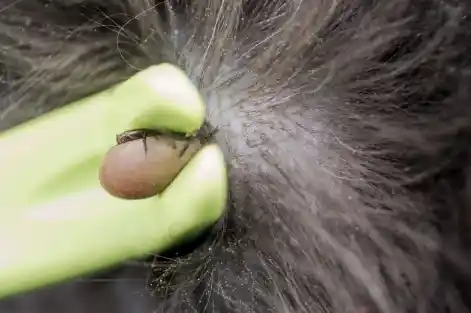
From my experience, you can see a tick on a dog as a brown or greyish bump on the skin, with the area around it sometimes red or swollen. The size of the body varies depending on how engorged or full of blood it is, and while you may look along the sides to spot its legs, the mouth is inserted under the skin, making it unlikely to notice.
Type Of Ticks Bite in Dogs?
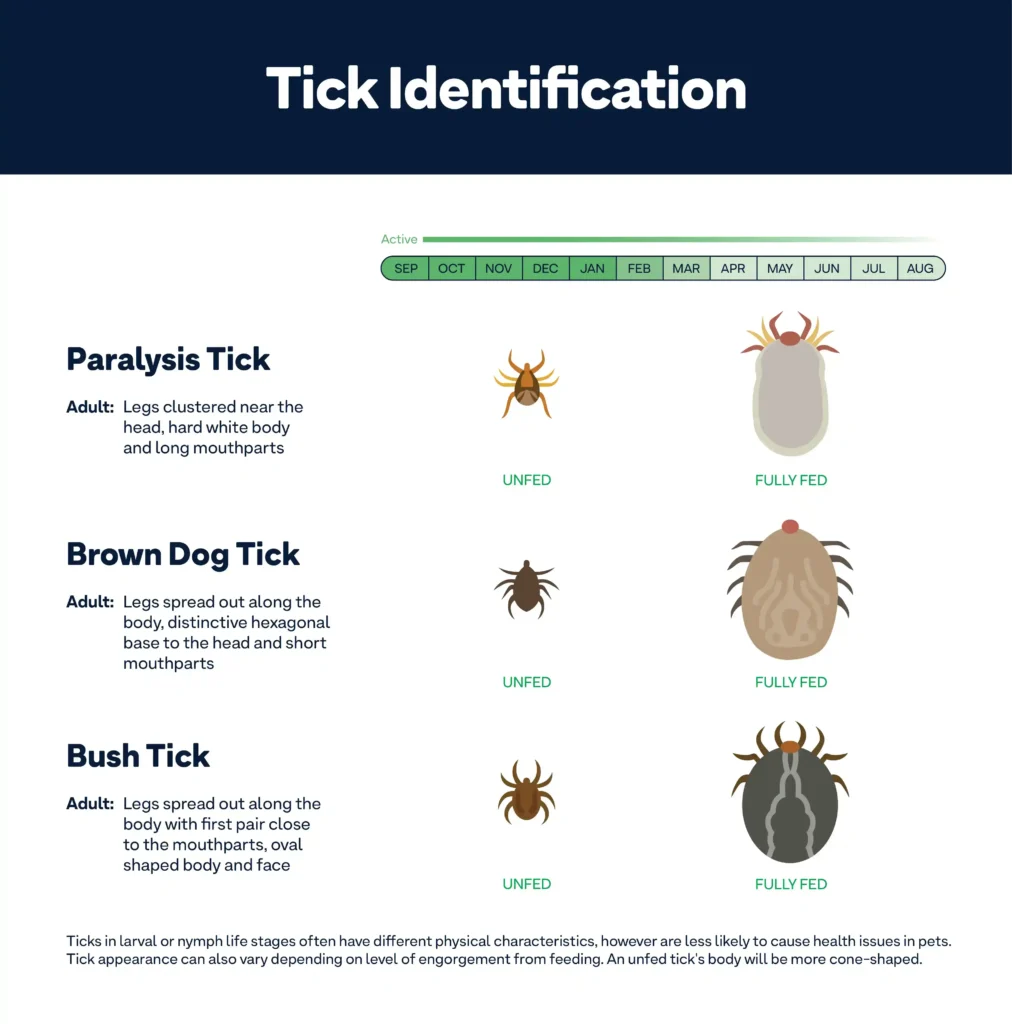
1. Paralysis Ticks
Paralysis ticks are the ticks we’re most worried about in Australia as their bite can be fatal .
From my clinical experience, ticks are often found in warm, humid regions along the east coast of Australia, where they affect both animals and pets. Certain native hosts, particularly bandicoots, are preferred, which increases the risk for dogs in these areas.
I’ve treated dogs bitten by paralysis ticks whose salivary glands produce dangerous neurotoxins, a toxin that attacks the nervous system and can lead to paralysis or even death if not treated quickly. These ticks have pale bodies, long mouth parts, and legs grouped near the head, making them small but serious threats.
2 .Bush Ticks
In my work with dogs, I often explain that bush ticks are found mostly along the Australian east coast, from Queensland to Victoria, where they live on animals and prefer hosts like cattle but also use dogs. These ticks are less dangerous than paralysis ticks, yet they can cause skin irritation, transmit diseases, and in severe infestation, even lead to anemia.
I’ve noticed their body colour ranges from reddish brown to blue or black, depending on the level of engorgement, which helps owners identify risk. Their legs spread along the sides of the body, and spotting them early on ticks in dogs can reduce serious health issues.
3 .Brown Dog Ticks
In my hands-on work, I explain that brown dog ticks are adapted to temperate climates and are common across Australia, especially in central and northern areas. They prefer to live on dogs, are rarely found on other animals, and can cause skin irritation or transmit disease, even though they don’t produce it themselves.
These ticks have brown bodies with a matching colour, short mouthparts, and legs that spread along their bodies, which helps with quick visual checks. I often tell owners that spotting these details early makes a real difference when dealing with ticks in dogs.
They thrive with lower moisture requirements compared to other ticks and are reported in southern cities like Adelaide and Melbourne. Their ability to handle different climates explains why they’re now found so widely across the country.
What Are The Symptoms Of A Tick Bite?
Symptoms of the tick bites depending on the type of ticks and size of infection.Symptoms that suggest a tick bite include:
. A Tick krater – a wound where the tick’s head was attached.
. Swollen red skin around the area of the bite.
. Itchiness at the site of the bite.
. Pale gums due to anemia if there is a heavy tick infestation.
Because paralysis ticks produce neurotoxins, you might notice the following symptoms before you see the bite:
. Difficult Breathing
. Difficult swallowing
. Dilated pupils
. Vomiting and regurgitation
. Weakness ,particularly in their hind legs
. A change in their bark (usually it becomes more hoarse and harsh)
How To Check Your Dog For Ticks
You should perform a tick check on your dog daily.
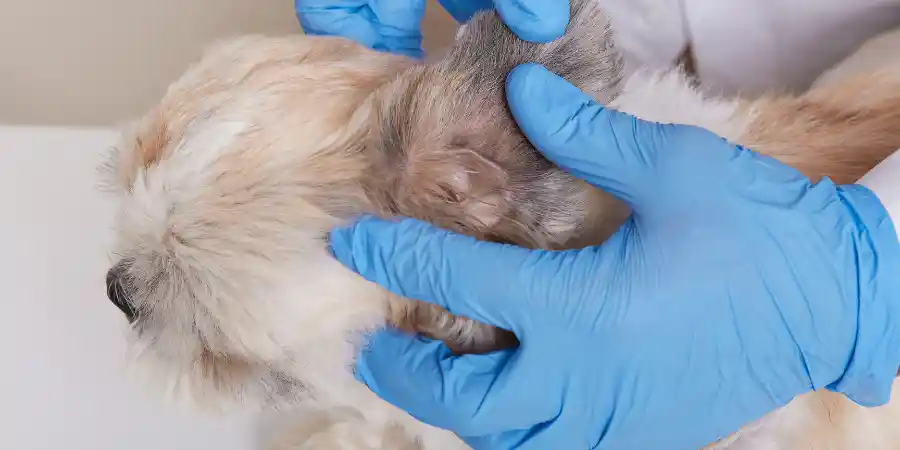
From my daily routine with dogs, I always advise owners to gently run their fingers over the dog, looking for a bump that could be the tick itself, a wound, or an area of swelling that forms a crater where a tick was previously attached. This hands-on check often reveals ticks in dogs before problems grow.
Ticks usually prefer to attach around the head, neck, between the toes, but they can be found anywhere, so never forget to look under the front legs, in the ears, inside the mouth, or the groin area, and even along hidden spots.
How To Remove Ticks From Dogs
To safely remove ticks from your dog, use tick removers or your thumb and forefinger to firmly grip the tick as close to the skin as possible, then once you have a secure hold, pull it off carefully.
And the other way to remove ticks in dogs is the use of anti ticks shampoos that are recommended by your vet. According to the condition of infection and type of ticks. You probably use the shampoo on the dog’s body for almost 2 to 3 minutes and wash them properly. And clean them and wipe them.like humans anti lice shampoos you also use them on your dogs.
At mydogwell.com, we keep things simple. No complicated terms, no confusing information—just practical advice to help you understand your dog better and keep them healthy.
Use our tools :
- https://mydogwell.com/pet-age-calculator/
- https://mydogwell.com/get-your-dog-care-plan/
- https://mydogwell.com/pet-water-intake-calculator/
- https://mydogwell.com/emergency-drug-calculator-for-dogs-cats/
FAQ’s
What are signs of your dog having a tick?
From my experience, ticks on dogs can be embedded in the skin as small bumps or tags, often around the ears, neck, and paws, causing localized irritation, redness, swelling, and scratching. Finding these signs early prevents severe tick-borne issues like fever, lethargy, loss of appetite, or wobbly legs later.
During walks in grassy or wooded areas, I check the dogs thoroughly, parting the fur and looking for dark, oval-shaped parasites that grow as they feed, and never ignore even subtle scratches in the evening or woody spots.
How do dogs act when they have a tic?
A loss of coordination in the hind legs (wobbly or not being able to get up) which may progress to paralysis.A change in voice.You may notice your dog vomiting after a tick bite. Retching, coughing or loss of appetite.
How soon after a tick bite do symptoms appear in dogs?
In my experience with ticks in dogs, the symptoms of the disease usually start to appear between 1 and 3 weeks after an infected tick bites a dog, so I always tell owners to look out for early signs. These are such as fever, bruising, nose bleeds, poor appetite, and testing may reveal low blood platelets, which are cells that help with blood clotting.
What are the side effects of ticks in dogs?
In my experience with ticks in dogs, canine anaplasmosis, also called dog tick fever, is transmitted by the deer tick, and its symptoms are similar to other tick diseases. Affected dogs may include fever, loss of appetite, stiff joints, lethargy, and vomiting or diarrhea, while extreme cases can cause dogs to suffer seizures, making early attention critical.
What are the first signs of Lyme disease in dogs?
In my experience with ticks in dogs, the first signs of Lyme disease often appear months after a tick bite, making early detection hard. These flu-like symptoms can include fever, lethargy, loss of appetite, lameness that shifts between legs, swollen and painful joints, and lymph nodes, so watching for changes in activity, unexplained limping, or vague signs after exposure is crucial.
⚠️ MEDICAL DISCLAIMER: This article is for
informational purposes only. MyDogWell.com is not
operated by licensed veterinarians. Always consult
with a licensed veterinarian before making any
health decisions for your dog.
[Read Full Medical Disclaimer]