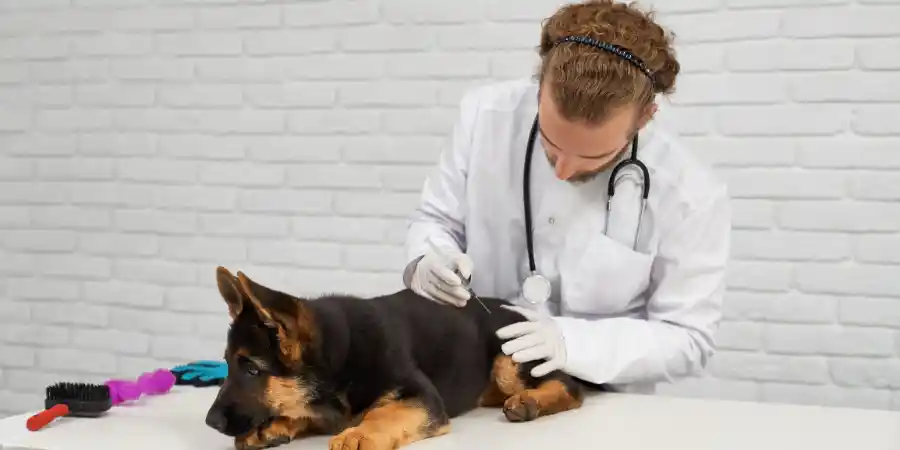
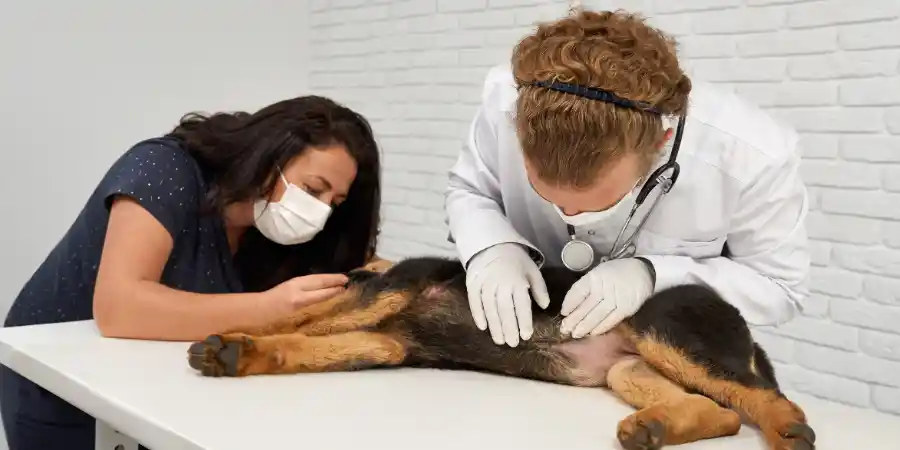
As a dog owner, I’ve seen how vaccination can feel important, yet bring concerns. In this article, we discuss Dog Behavior Changes After Vaccination and how dogs may react after getting their shots. The benefits usually outweigh the risks, however some reactions do happen, and you might notice them in your furry friend.
When you receive information and guidance that mydogwell provided, it helps address common concerns that owners usually have. If a pet has a reaction or reactions, they can occur after vaccines, so it is important to know what to do in this situation, as some dogs react differently and their behavior changes may show.
Dog Behaviour Changes After Vaccination
From my experience with a dog, I often include close observation of behavior changes after vaccination, as they may show temporary lethargy, reduced appetite, or mild discomfort with swelling at the injection site. These minor signs like irritability or hiding are normal immune responses, usually lasting a few days.
Still, I always watch for serious reactions such as breathing issues or fainting that require immediate veterinary care, because even small changes in a dog can signal something important.
Why should I get my dog vaccinated?
Ensuring your dog receives vaccinations early in life and regularly as an adult is crucial for a long and healthy life, as diseases like rabies, hepatitis, and parvovirus are dangerous and sometimes fatal, especially in puppies. It is always better to prevent illnesses by vaccinating your pet than to treat them after they have developed, since the risk of a severe reaction to a vaccine is generally low.
In most cases, the benefits of vaccination outweigh the risks, which makes it a smart and responsible choice for any owner.
Vaccinations & Your Dog’s Health
As a responsible pet owner, I always keep my dog’s vaccinations current because vaccination is the most effective way to protect against a wide range of serious and contagious diseases, and many veterinarians recommend vaccines as an essential component of an annual health plan. Although some people feel concerned about vaccine safety, I believe the majority of dogs gain benefits that outweigh the risks, even when behavior might change after getting vaccinated, and understanding why these changes could be happening helps answer what to expect.
Does my dog need all the available vaccines?
Your veterinarian will assess the potential risks for your dog based on its breed, age, and lifestyle. After that, they will provide you with advice on which vaccinations are appropriate for your dog.
Common Behavior Changes After Vaccinations
From what I’ve seen in daily practice, adverse reactions are always a possibility with medical procedures, including vaccinations, so it’s understandable that pet owners feel concerned when their beloved pets show any reaction. I always tell clients it’s important to keep in mind that the majority are mild and transient, and staying aware of symptoms while knowing what to do if a dog exhibits them can make the vaccination process much less stressful.
Decreased Appetite
Vaccinations can temporarily affect a dog’s appetite. If your pet seems less interested in eating immediately after receiving shots, it is often nothing to be overly concerned about. Ensure they have access to fresh water and monitor their eating habits. If the reduced appetite persists for more than a day or two, consult your veterinarian.
Mild Discomfort
Sometimes, dogs may feel a little discomfort or soreness at the spot where they were injected with a vaccine. They might show sensitivity when touched or avoid putting weight on the affected leg, especially if the vaccine was given in the leg region. However, this discomfort usually goes away within a few days.
Lethargy
From my experience, after receiving vaccinations, dogs may feel tired and uncomfortable, and sometimes experience a mild fever, making them seem a bit off. This is a normal reaction, as their immune system responds appropriately to the vaccine, and these symptoms generally last a day or two.
I usually tell owners that if your dog is still unwell after a few days, it is best to contact a veterinarian for advice, because while they may also recover quickly, monitoring closely helps ensure safety.
Lumps & Bumps
From my experience, lumps and bumps are common reactions after dog vaccinations, just like feeling off, and they may appear following a vaccination as a small, firm bump. This can form where the needle was injected into the skin or muscle, leaving the area tender.
I usually explain that these changes are a result of your dog’s immune system rushing to resolve the localized irritation, and they may settle on their own as part of the normal healing process.
Sneezing & Cold-Like Symptoms
From my experience, some vaccines are administered not just by injection but also via drops or sprays into the dog’s nose, like bordetella bronchiseptica and parainfluenza virus, and these reactions can resemble a cold with coughing, sneezing, and a runny nose.
Most dogs recover from these symptoms within a day or two, but if your dog does not recover or shows more severe signs after a few days, it is time to consult a veterinarian for care.
Serious Reactions To Vaccinations
While most reactions to dog vaccines are mild and short-lived, in rare cases, our canine companions can experience severe reactions that require immediate medical attention.
Anaphylaxis – This severe allergic reaction can involve facial swelling, diarrhea, itchiness, hives, vomiting, and breathing difficulties. This type of severe reaction usually occurs very soon after your pet receives the injection (typically while you are still at the vet’s office) but can happen up to 48 hours after the vaccine is given.
Shock – The symptoms of shock following vaccines can include a slow heart rate, decreased blood pressure, and generalized weakness. You may also see a gray tongue and pale mucous membranes.
Why Is My Dog Not Eating After Vaccination?
From my experience, dogs may have a decreased appetite and may not eat for a few days after vaccination, as this is a temporary, mild immune response, often accompanied by lethargy, and this is normal. I usually tell owners that if the loss of appetite lasts more than a few hours or is paired with vomiting, diarrhea, or severe signs, you should contact your veterinarian.
Why do behavior changes happen in dogs?
Different factors can contribute to your dog or puppy acting weird following their rabies, or other, vaccinations and shots. It is essential to consider these factors when evaluating your dog’s response to the vaccines they recently received:
- Vaccine Components -Vaccines have certain elements like adjuvants or preservatives that make them more effective and increase their shelf life. However, some dogs may experience allergic reactions to these elements, which can result in noticeable changes in their behavior. Therefore, it is essential to talk to your veterinarian about any concerns you may have to ensure that your pet receives the appropriate vaccines.
- Stress and Anxiety – Veterinary visits, including vaccinations, can induce stress and anxiety in dogs. The anticipation of discomfort, strange environments, or unfamiliar people can trigger temporary changes in behavior. Comforting your dog with gentle reassurance and positive reinforcement can help alleviate stress during these visits.
- Individual Sensitivity – Some dogs may be more susceptible to behavioral changes, while others may show no difference.
Should I be worried about behavioral changes in my dog following vaccinations?
It is not uncommon for dogs to experience mild behavioral changes after vaccinations, such as lethargy, decreased appetite, or injection site soreness. These symptoms usually go away within a day or two and are considered normal reactions to the vaccine.
When to Seek Veterinary Advice
While most behavioral changes after vaccinations are normal and resolve within a few days, some situations may require veterinary attention. Contact your veterinarian if you notice any of the following:
- Allergic Reactions – If your dog exhibits signs of an allergic reaction, such as excessive swelling, difficulty breathing, or vomiting, seek immediate veterinary care. Allergic reactions are rare but can be serious.
- Uncharacteristic Behavior – If your dog displays unusual behavior that is not related to the common changes mentioned earlier, it is advisable to consult a veterinarian. The veterinarian can determine if the behavior is caused by vaccination or another health concern.
- Severe or Prolonged Behavior Changes – If your dog’s behavior changes are severe (such as a puppy being incredibly hyper after vaccination for an extended period of time), persist for a long time, or worsen over time, consult your veterinarian. These changes could indicate an adverse reaction or an unrelated underlying issue.
Are vaccines right for your dog?
From my experience, most dogs may exhibit minor behavioral changes after receiving vaccinations, however these are rarely a cause for concern. I always say understanding the purpose of vaccines and staying aware of any potential behavior shifts helps in taking better care of your furry companion.
When you stay attentive, it will help to keep your pet happy and healthy, even if small changes appear. If you have any concerns about vaccinating, it’s best to speak to a veterinarian, as they can guide you properly.
A vet will consider your dog’s individual health, habits, and risks to determine whether it is the right choice, giving you clarity and confidence in your decision.
Can I prevent my dog from reacting?
From my experience, it is essential to vaccinate your dog to ensure long-term health, as the risk of a serious reaction to vaccines is usually low. But if your dog has had a previous reaction, you should inform your veterinarian, and they may advise you to skip a particular vaccine in the future.
I have seen that administering multiple vaccinations at once can cause a slight increase in adverse reactions, and smaller dogs may be more susceptible to this. To minimize the risk, vets often suggest spacing them out over a few days instead of giving them all at once.
This simple approach helps protect their safety and gives you better control while caring for your pet.
Note: The advice provided in this post is intended for informational purposes and does not constitute medical advice regarding pets. For an accurate diagnosis of your pet’s condition, please make an appointment with your vet.
At mydogwell.com, we keep things simple. No complicated terms, no confusing information—just practical advice to help you understand your dog better and keep them healthy.
Conclusion:
Dog behaviour changes after vaccination are usually mild, temporary, and part of a normal immune response, so most pets return to their usual self within a few days. Staying observant, following your veterinarian’s guidance, and knowing what reactions are normal versus serious helps you respond calmly and confidently. Overall, vaccinations remain an essential step in protecting your dog’s long-term health, and with proper care and monitoring, the benefits clearly outweigh the risks.
FAQ’s
Can vaccines change dogs’ behavior?
You may notice your dog’s behavior temporarily change after the rabies vaccination or other critical vaccines have been administered.
Why is my dog acting so weird after vaccines?
It is common for dogs to act “weird”—lethargic, stiff, or slightly off-appetite—for 24–48 hours after vaccinations.
What is the 3 2 1 rule for vaccines?
a veterinary guideline for monitoring post-vaccination lumps in cats to detect potential feline injection-site sarcomas (cancer).
Do puppies calm down after vaccines?
It is normal to see the following for a day or two after vaccines are given: Discomfort at the site of injection. Lethargy or reluctance to play.
Why has my dog’s behaviour suddenly changed?
A sudden change in a dog’s behavior is most commonly caused by underlying physical pain, illness, or neurological issues.