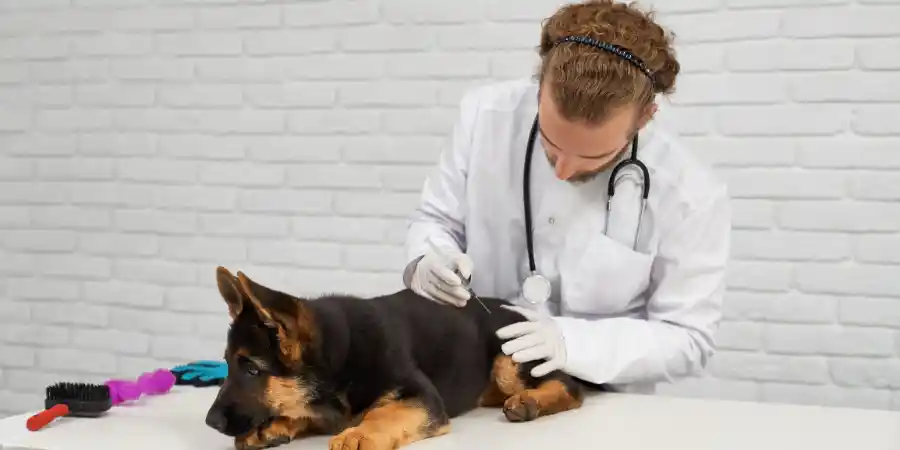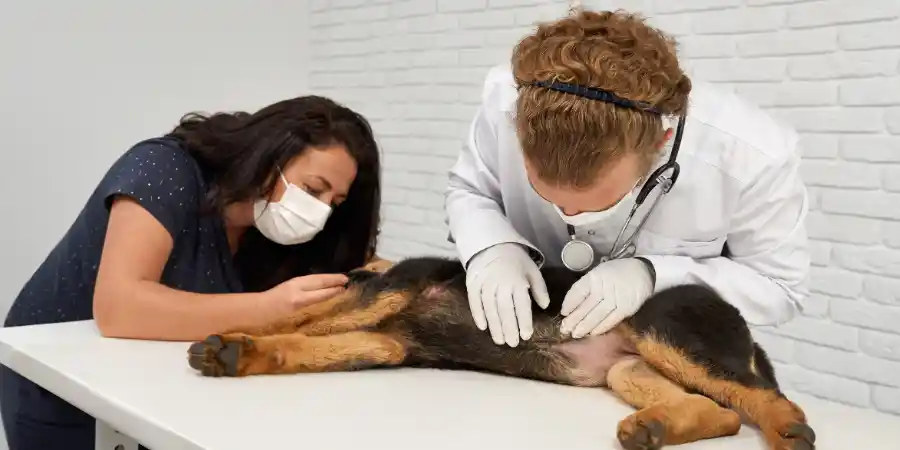
As a dog owner, it can feel worrying when your dog suddenly refuses food after a vet visit. I’ve seen this happen many times, and in most cases, it’s not something to panic about. When a dog gets vaccinated, the body reacts to build protection, and that process can temporarily affect appetite.
In simple terms, your dog’s body is busy working behind the scenes. That’s why you may notice changes like low energy, mild discomfort, or a lack of interest in food for a short time.
My Dog Not Eating After Vaccination ?
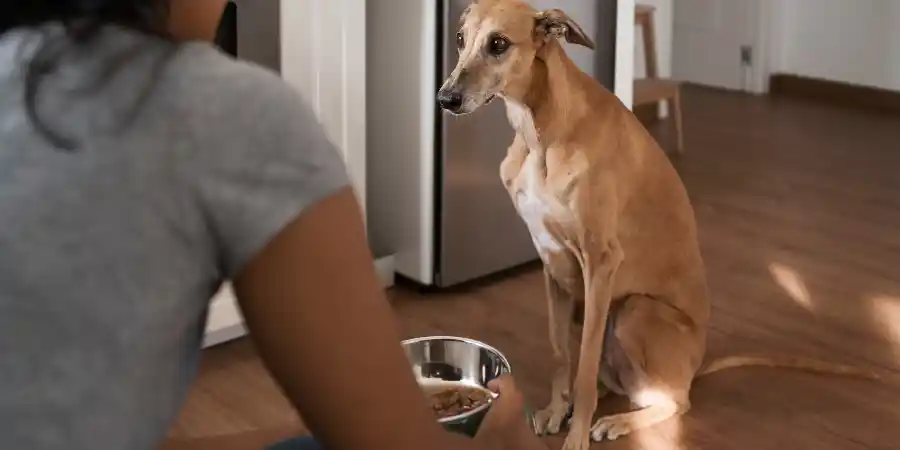
Yes, it’s very common.
After vaccination, many dogs show small changes in behavior, including eating less. This usually happens because the immune system is responding to the vaccine. Think of it like how people sometimes feel tired or off after a flu shot.
In my experience, most dogs go back to normal within 24 to 48 hours. During this time, they may:
- Eat less than usual
- Skip a meal or two
- Show less excitement around food
As long as your dog is still drinking water and not showing serious symptoms, this is generally a normal response.
Why Does Vaccination Affect Your Dog’s Appetite?
There are a few simple reasons behind this.
1. Immune System Response
Vaccines are designed to trigger the immune system. While this is a good thing, it can make your dog feel slightly unwell for a short time. This mild response can reduce hunger.
2. Mild Fever or Discomfort
Some dogs develop a slight fever after vaccination. Even a small temperature change can affect appetite and energy levels.
3. Injection Site Soreness
If your dog received a shot in the leg or shoulder, that area may feel sore. This can make them less active and less interested in food.
4. Stress from the Vet Visit
Let’s be honest most dogs don’t love going to the vet. The stress of travel, unfamiliar smells, and handling can affect their behavior, including eating habits.
How Long Will My Dog Not Eat After Vaccination?
In most cases, appetite returns quickly.
- 24 hours: Slight decrease in appetite
- 48 hours: Most dogs return to normal eating
- Beyond 48 hours: Worth monitoring closely
From what I’ve seen, if a dog still refuses food after two days, it’s a good idea to take a closer look and possibly contact your vet.
When Should You Be Concerned?
While mild appetite loss is normal, there are times when you should pay extra attention.
Contact your veterinarian if your dog:
- Refuses food for more than 48 hours
- Shows vomiting or diarrhea
- Has severe lethargy or weakness
- Develops swelling or difficulty breathing
- Seems unusually distressed or in pain
These signs are not typical and may indicate a stronger reaction that needs medical attention.
Simple Ways to Help Your Dog Eat Again
If your dog isn’t eating, there are gentle ways to encourage them without forcing it.
Offer Smaller Meals
Instead of one big meal, try smaller portions throughout the day. This can feel less overwhelming.
Warm the Food Slightly
Warming food can make it smell stronger and more appealing.
Add a Tasty Topper
A little boiled chicken or broth (plain, no seasoning) can help bring back interest in food.
Keep Fresh Water Available
Hydration is just as important. Make sure your dog is drinking regularly.
Create a Calm Space
Let your dog rest in a quiet, comfortable area. Less stress can help appetite return faster.
Foods to Avoid During This Time
When your dog isn’t feeling their best, avoid:
- Greasy or fatty foods
- Spicy or seasoned human food
- Sudden diet changes
Stick to simple, familiar meals that are easy to digest.
Do All Dogs React the Same Way?
No, every dog is different.
Some dogs eat normally right after vaccination, while others may skip meals. Factors that can affect this include:
Puppies and senior dogs may show more noticeable changes, but even then, most reactions remain mild.
Can Certain Vaccines Cause More Appetite Loss?
Yes, some vaccines may cause slightly stronger reactions.
For example:
- Rabies vaccine
- Combination vaccines (multiple protections in one shot)
If your dog receives several vaccines at once, you might notice more fatigue or appetite changes. In such cases, your vet may suggest spacing vaccines out in the future.
How to Prepare for Your Dog’s Next Vaccination
Planning ahead can make a big difference.
Feed Before the Appointment
Give your dog a normal meal before the visit so they don’t go too long without food.
Keep the Day Calm
Avoid heavy exercise or stressful activities after vaccination.
Monitor Closely
Watch your dog’s behavior, appetite, and energy levels for the next 24–48 hours.
Talk to Your Vet
If your dog has reacted before, let your vet know. They may adjust the schedule or type of vaccine.
Long-Term Benefits vs Short-Term Side Effects
It’s important to keep the bigger picture in mind.
Vaccines protect your dog from serious diseases like:
- Rabies
- Parvovirus
- Distemper
These conditions can be life-threatening, while post-vaccine appetite loss is usually mild and temporary.
From my experience, the short-term discomfort is a small trade-off for long-term health and protection.
Real-Life Insight from Experience
I’ve worked with many dog owners who felt anxious when their pet stopped eating after a shot. Almost every time, the dog bounced back within a day or two.
One case I remember clearly was a senior dog who skipped meals for a day after vaccination. The owner was worried, but by the second day, the dog was back to eating normally and acting like himself again.
These small changes can feel big in the moment, but they’re often part of a normal recovery process.
Final Thoughts for Dog Owners
If your dog isn’t eating after vaccination, take a step back and observe calmly. In most cases, it’s a temporary response that resolves on its own.
Focus on comfort, hydration, and gentle care. And if something doesn’t feel right, trust your instincts and reach out to your veterinarian.
With the right balance of awareness and patience, you can support your dog through this short phase and keep them on track for a healthy, happy life.
FAQ’s
Is it normal for dogs not to eat after vaccination?
Yes, it is very normal for dogs to experience a temporary loss of appetite (hyporexia) for 1–2 days after receiving vaccines.
How long does low appetite last after a dog vaccine?
A small proportion of animals may develop signs such as lethargy, loss of appetite, or tenderness at the injection site. These signs are generally mild and usually last no longer than a few days.
Do vaccines affect dogs’ appetite?
Yes, vaccines commonly cause a temporary decrease in a dog’s appetite, typically lasting for 24 to 48 hours.
Is it normal for dogs to be weak after a vaccine?
Yes, it is normal for dogs to feel weak, lethargic, or tired after vaccinations as their immune system builds protection.
How to help a dog feel better after vaccines?
To help your dog feel better after vaccines, provide a quiet, warm, and comfortable space for them to rest for 24-48 hours.