I often discuss with vets how Weak hind legs can be a real concern for both you and your furry companion, especially when Witnessing a pet struggle to walk feels truly heart-wrenching. In this blog, based on my time in New York, I will offer simple tips on improving and maintaining leg strength.
From my experience, the main causes of weakness can be lack of movement or age, so focusing on daily care for your pet in a steady way can build strength. I guide owners to watch every small change in the leg and legs, because our approach to care can support your pet and reduce the source of pain while helping you move forward with confidence.
How To Strengthen Old Dogs Hind Legs
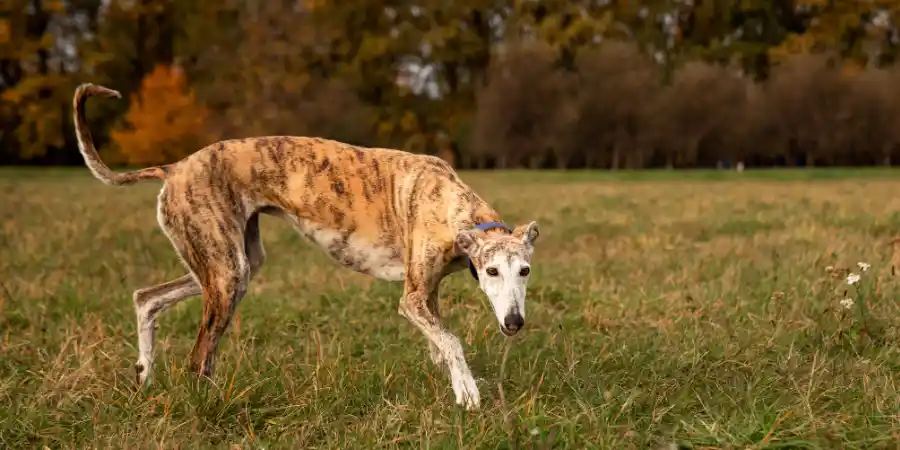
The best way to strengthen an old dog is through simple low-impact exercises like sit-to-stands, slow leash walking, and walking up hills. I often suggest using cavaletti rails for stepping over poles, as this gently builds hind and rear-end strength in the legs.
I have seen real progress when improving care routine also requires maintaining a healthy weight and using mobility aids. Along with this, providing joint supplements, such as omega-3 fatty acids, can support strength and comfort, and also help aging dogs move better and stay active.
What Causes Sudden Hind Leg Weakness in Dogs?
There are several reasons why your pet’s hind legs may weaken. Let’s take a look at some of these causes.
Arthritis
In my experience, dogs can suffer from arthritis, similar to humans, and one common type that affects the hind legs is osteoarthritis. It occurs when their joints don’t have enough lubrication, causing pain when they move, so you should take your pet to the vet if they experience discomfort, as this is something that can worsen from neglect.
- Difficulty climbing stairs or walking
- Bunny hopping while moving
- Development of large front-leg muscles and weakening of rear-leg muscles
Hip Dysplasia
I often tell owners to notice when your pet shows signs like hip joints feeling more lax than usual, as this may mean they are experiencing hip dysplasia. This instability can lead to balance difficulties, and in severe cases, even osteoarthritis, especially in larger dog breeds.
From what I’ve seen, you might be able to manage early signs if they are caught soon, as they can worsen in time and affect movement more deeply.
- German Shepherd
- Labrador Retriever
- Saint Bernard
- Great Dane
Hip dysplasia is primarily caused by genetics, but other factors such as size, weight, and overuse may also play a role in the development of this condition.
Canine Degenerative Myelopathy
Degenerative myelopathy is a condition in which the protective covering of your pet’s nerves deteriorates, leading to improper nerve function. Look out for the following signs of degenerative myelopathy:
- Quivering hind legs
- Hind legs coming together while standing
- Feet positioned at unusual angles
Many breeds of dogs are susceptible to developing a spinal condition, but certain breeds such as:
- Boxer
- German Shepherd
- Cardigan Welsh Corgi
- Rhodesian Ridgebacks
Diabetes
From my experience, I make owners aware that diabetes can weaken your pet’s hind leg joints, as this is often caused by a lack of insulin production, leading to abnormal blood sugar levels in the body. I always look out for symptoms like increased thirst and hunger, incontinence, and weight loss when a dog exhibits these signs, since early action is important.
In practice, it’s advisable to consult a veterinarian with your concerns and conduct a blood test to confirm the diagnosis, because this step can help you manage the condition better and support overall hind leg strength.
Fibrocartilaginous Embolism
From my experience, fibrocartilaginous embolism (FCE) is a serious condition that can affect dogs, where a small piece of cartilage blocks their bloodstream, leading to spinal swelling and a temporary result of hind leg movement restriction and pain. This issue is especially common in larger dog breeds, such as german shepherds and irish wolfhounds, which often receive a diagnosis of FCE.
In practice, understanding this condition is important because early recognition of signs helps you respond better, as it is something that can limit mobility and affect overall strength in their hind legs.
Limited Mobility
From my experience, when a pet needs surgical intervention such as tibial plateau leveling osteotomy (TPLO), it can help restore their leg movement. I have seen that your surgeon will often advise to limit physical activities during post-surgery recovery, because this restriction may cause temporary disability, even while it is necessary for a full and successful recovery.
In practical terms, I guide owners that if they follow instructions however carefully, it can support healing and protect their progress, as the process may take time during which controlled care is important for improving hind leg stability.
What are the main signs and symptoms dog’s back legs not working?
From my experience, many conditions listed above have similar symptoms, making it challenging to identify the underlying problem without medical assistance, which is why it’s crucial to seek advice from a veterinarian as soon as possible. I always tell owners that if your dog starts exhibiting any of the following behaviors, it becomes important to take action quickly.
- Hind leg tremors
- Swaying of the hind end
- Trouble transitioning from lying or sitting to a standing position
- Difficulty walking or complete inability to walk
- Inability to climb stairs
- Sudden reluctance to go for walks or play
- Stumbling and lack of coordination
- Muscle mass loss
- Decreased walking speed in general
- Collapsing
Tips on How to Strengthen old dog’s hind legs
After identifying the cause of your pet’s discomfort and receiving treatment recommendations, you may also consider non-medical activities that can aid in their recovery and help them regain their strength:
- It is recommended to take your furry companion for brief yet consistent walks on a daily basis. This will aid in gradually restoring their hind-leg muscles.
- Let your dog swim in a safe place. Swimming provides a low-friction way to work their muscles and is beneficial for their overall strength.
- As dogs age, their metabolism slows down, and excess weight can strain weakening legs. To prevent this, ensure your pet enjoys a healthy diet with lean, protein-rich foods.
- One way to support your pet’s joint health and mobility is by giving them supplements that contain Omega-3 fatty acids. These supplements can help reduce inflammation and provide extra nutritional support for aging joints.
- Inflammation-reducing treatments such as acupuncture and cold laser therapy can greatly address limited mobility and reduce pain.
Alternative ways to alleviate discomfort
When your dog can no longer benefit from strengthening exercises, it might be the right time to explore other options that improve their comfort and well-being. I often tell owners you should consider simple support methods early rather than waiting too long.
In my experience, using mobility aids like a wheelchair, rear lifting harness, or hip brace can give a better level of freedom, enabling they to enjoy a more active lifestyle. This becomes even more helpful during longer, warmer summer months.
As pets get older, they need regular preventive veterinary care and early detection of health issues to ensure a good quality of life. I have seen that small steps here make a big difference over time.
With the right approach, you will notice that even limited support tools as these can improve daily movement and comfort, helping your pet stay engaged and happy without pushing beyond any safe limits.
At-Home Rehab Exercises for Hindlimbs
Building strong hindleg muscles at home can improve mobility, allowing your dog to walk, run, and play more comfortably. These simple routines also enhance stability, helping protect joints from excessive strain and minimizing the risk of injuries.
I often suggest incorporating specific exercises like sit-to-stands, slow leash walking, and balance work to target these muscles effectively. Over time, they strengthen the bond between you and your dog, as they rely on your guidance and encouragement.
When I guide owners, I focus on tailoring routines to individual needs, and sometimes consulting a veterinarian or canine rehabilitation specialist ensures a safe approach. This step adds confidence that each movement supports recovery.
By maintaining healthy hind limb muscles, your dog helps itself enjoy better joint health, reduced pain, and an active, happy life. I have seen that progress comes not only with effort but also with patience and consistency.
With the right plan, you will notice more control and ease in movement by practicing daily, and choosing what works best for your pet, whether at home or with guided support from a trained expert.
Hindlimb Exercises You Can Do At Home
- Slow Leash Walking
- Weight Shifting
- Unloading of One Limb While Standing
- Sit-to-Stand
- Incline/Decline Standing & Walking
- Walking on Different Surfaces
- Cavaletti Rails or Hurdles
- Balance Discs/BOSU/Yoga Ball
- Download These Exercises & Simple Instructions: WDOW Rehab Exercises for Hindlimbs
A Few Notes About These Exercises
These exercises are mainly intended for dogs, but I have seen them done with cats and other four-legged animals too. You can easily adjust them to fit your pet’s size for better comfort.
I often suggest the addition of a sling when needed to help keep your pet stable while using it gently. Make sure it stays taut enough to prevent falling, but not too tight.
Your pet should be allowed and able to bear some weight on all limbs, as this makes the exercises more effective. If not, they are not appropriate and should wait until cleared by a veterinarian.
One important note I share is that pets put approximately 60% of their body weight on the front legs. If your pet is a tri-pod, always consult a veterinarian prior to asking them to perform any routine.
I always ensure all routines are conducted on a non-slip surface to provide adequate traction and reduce the risk of injury. This small step makes a big difference in safety.
These steps can be followed with care, but only if your pet is ready to handle movement. Watch how they respond, as it helps you decide what is safe.
You must not push beyond limits, because forcing any one exercise or doing more until fatigue can harm progress. I always say please listen to their signals and move step by step for the best outcome.
Why You Should Incorporate At-Home Exercises
From my experience, incorporating at-home exercises into your dog’s routine is an essential part of maintaining strength, mobility, and overall well-being. I have found these routines to be practical and accessible, requiring no fancy or expensive equipment, just simple items you likely already have at home along with your time and effort.
The beauty of these routines lies in their convenience, allowing consistent practice, which is critical for seeing long-term benefits. In my work, frequent exercise sessions help build muscle memory, improve joint function, and enhance your dog’s comfort and quality life.
For many cases, especially where specialized canine physical therapists are unavailable or costly, these routines provide a cost-effective and feasible alternative. I often see them act as a lifesaver for dogs who don’t travel well, face challenges, or are difficult to load into a car, especially senior pets.
Additionally, these routines strengthen the bond between you and your dog, as they rely on your guidance and encouragement. By making them a regular habit, you create a steady system where your pet can respond better over time.
This approach empowering your dog to live a healthier, active life helps them adapt as they age, even when they face mobility limits. I’ve seen that with consistency, dogs show progress even with small daily steps.
When you follow this method, it becomes easier to integrate care into daily life, giving both you and your pet a structured way to support movement and maintain hind leg strength without stress.
Beneficial for These Pets
From my experience, strengthening your dog’s hind limbs with home exercises is an essential step for overall mobility, stability, and quality life, especially for senior and aging dogs. I have seen that incorporating these routines into daily care becomes particularly important during injury recovery, after surgery, where targeted movement helps rebuild strength, restore muscle mass, and improve range motion, allowing them to return to normal activity faster.
In older pets, I often notice loss of muscle and joint stiffness, which is why regular and slow routines help reduce atrophy, improve balance, and make everyday activities like walking and climbing stairs easier. These methods are also useful in arthritis management, where stronger hind limbs benefit the dog by reducing stress on joints, helping alleviate pain, and enhance their ability to move more comfortably.
I usually guide owners to include prevention strategies as well, because maintaining strong hind limbs can delay the onset of joint problems while supporting long-term health and physical fitness. This approach helps reduce risk over time and keeps your dog more active with less discomfort.
Simple incorporating of routines like sit-to-stand transitions, gentle resistance training, and balance work into your dog’s daily routine can make a significant difference in their long-term happiness. In practice, I always remind owners to consult a veterinarian before starting a new regimen, as each dog responds differently.
With consistency, these home exercises support smoother movement, better coordination, and gradual improvement in strength. Over time, this helps your pet stay active and maintain better control of their hind limbs during daily movement.
Conclusion:
Caring for your dog’s hind legs takes patience, consistency, and the right mix of exercise, nutrition, and medical support. Small daily efforts can make a big difference in improving strength, mobility, and overall comfort.
By understanding the causes and acting early, you can better support your pet’s needs and prevent further decline. Regular vet guidance and tailored routines help ensure safe and steady progress.
With the right approach, your dog can stay active, happy, and enjoy a better quality of life even in their older years.
At mydogwell.com, we keep things simple. No complicated terms, no confusing information—just practical advice to help you understand your dog better and keep them healthy.
FAQ’s
How can I help my senior dog with hind leg weakness?
From my experience, helping an old dog with weak back legs involves enhancing mobility and comfort through daily support, where you can use rear-lift harnesses or towels to assist them in standing and walking, while adding non-slip mats over hardwood floors and orthopedic beds to relieve joint pain. I always suggest you maintain strength with short, frequent walks, gentle, low-impact exercise, and, if needed, supplements for added support for long-term care.
What are signs your dog is going to pass away?
From my experience, signs a dog is approaching death include extreme lethargy, loss of appetite and thirst, labored or irregular breathing, and withdrawal from loved ones, along with incontinence and a significant drop in body temperature like cool paws and ears. I have seen they may seem disoriented, restless, or hide, clearly indicating that their organs are shutting down.
How to improve hind leg strength in dogs?
To strengthen a dog’s back legs, focus on controlled exercises like slow leash walking, sit-to-stands, walking backwards, and cavaletti rails (stepping over obstacles) to build muscle and improve coordination.
How far should you walk a 14-year-old dog?
From my experience, a 14-year-old dog should generally take short, low-impact walks, typically lasting a few minutes, done once or twice daily, with the focus on comfort, mental stimulation, and joint health rather than distance. I always tell owners to adjust walks based on your dog’s mobility, energy, and signs of fatigue, because this balanced approach helps maintain strength safely.
Why can’t my 14 year old dog use his back legs?
there are many reasons why a senior dog’s legs may appear to give out, especially affecting the hind leg and causing sudden collapse. These issues often include conditions like osteoarthritis, intervertebral disc disease, metabolic disorders, vestibular or heart disease, and degenerative myelopathy, which are common in aging dogs.
mydogwell.com always guide owners that early understanding of these causes helps to manage the problem better, as these conditions may worsen over time and impact movement significantly.