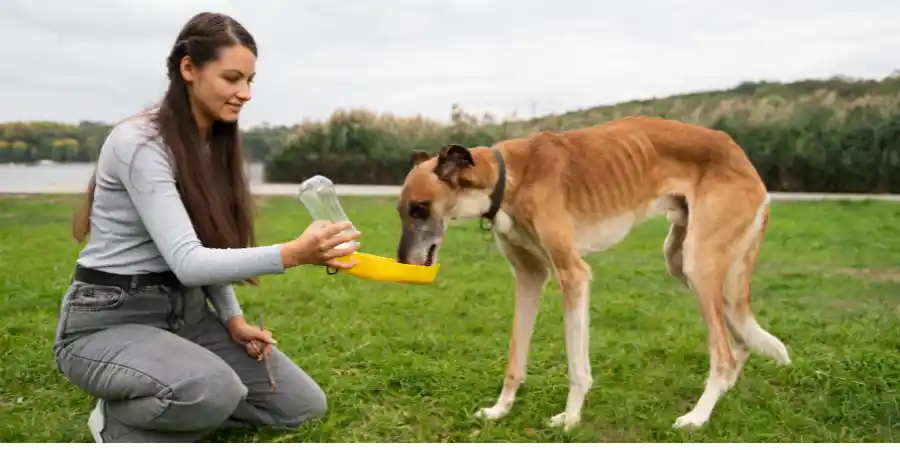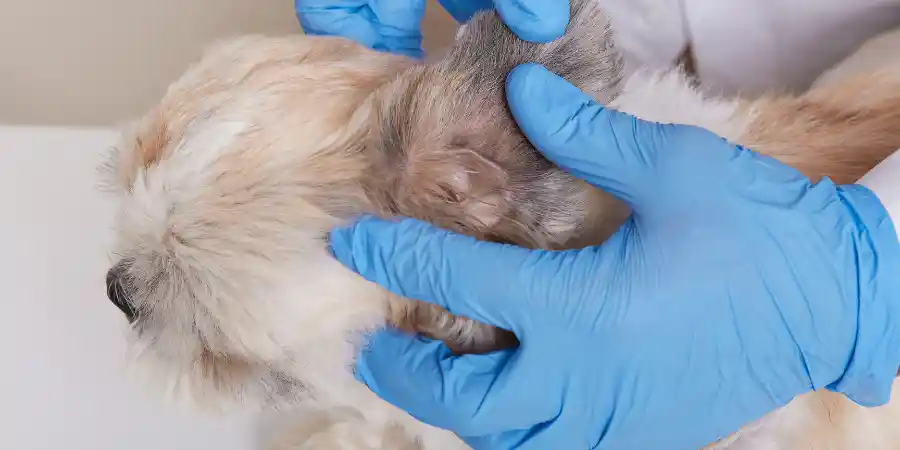
In my experience, most urinary system infections begin when bacteria enter the body through the urethra, and the infection slowly develops as they travel to the bladder and set up infection in the urinary tract. If ignored, bacteria can move upward to the kidneys, causing a kidney infection called pyelonephritis, which increases long-term risk.
Several factors raise concern, including urine flow problems, not being able to empty the bladder completely during urination, overly dilute urine, and sugar in the urine, often a sign of diabetes mellitus. A weakened immune system, female dogs with repeat urinary tract infections, older uncastrated male dogs, and male dogs with bacterial infections of the prostate all face greater risk, especially when other diseases like kidney disease or Cushing disease are present.
Early treatment of bacterial infections is important because antibiotic resistance develops when antibiotics are not treated properly, leaving bacteria resistant and the infection will not go away. I’ve seen untreated infection or inadequately treated bladder infection or prostate infection progress into a more serious condition affecting the kidneys.
Chronic infections can become a common cause of a stone called struvite, which can form anywhere in the urinary tract and complicate recovery. While most infections are not passed to humans, close monitoring helps protect dogs from silent damage and repeat illness.
Kidney Infections & Problems in Dogs
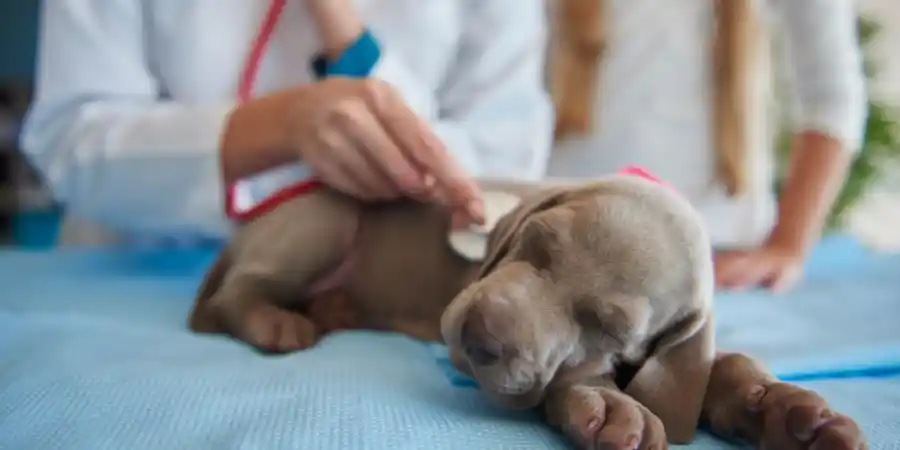
When kidney infections in dogs are left untreated, they can lead to serious symptoms and dangerous conditions like kidney failure or even death. These problems often start when bacteria are entering the urinary tract and moving into the kidney, which is why Elk Grove veterinarians often help owners spot signs of a kidney problem early and explain what to do next.
From my experience, kidney stones, parasites, and other diseases can all cause kidney infections, so if you notice warning signs, you should consult a veterinarian right away so treatment can begin. Understanding the causes and available treatments helps protect dogs before damage becomes permanent.
Is there a difference between kidney failure, infection, and disease?
In my practice, I explain kidney disease as a broad term covering a variety of conditions that affect the kidneys, including kidney failure, a serious condition where kidney function is compromised, resulting in ineffective removal of toxins and other waste products from the blood. This includes acute kidney injury and chronic kidney disease, which are examples, aka chronic renal insufficiency, and each can begin as sudden damage that may range from mild to life-threatening due to certain infections or underlying health issues that contribute and progress quickly.
With early care, kidney damage may be reversible with proper treatment, but some cases develop slowly, become permanent, and irreversible, though they can be managed using therapeutic kidney food, medications, and fluids. I always stress that it worsens over time as a result, so it is important to talk to a veterinarian at the first sign of a change in habits to protect your dog’s urinary tract health.
Symptoms of Kidney Infections in Dogs
I have seen how bacteria can take time to grow and quietly affect organ function in dogs, which is why kidney infections and other infections may not appear right away. When symptoms finally appear, they can be severe, show similar symptoms, and often necessitate immediate medical attention because they lead to bigger problems.
In my experience, kidney stones also cause pain and worsen over time, and they can lead to a deeper infection if ignored. These issues affect dogs differently, but once symptoms appear, they often necessitate fast care to protect organ function and stop the condition from becoming severe.
Here is some most common symptoms if dog suffering from kidney Infection :
- Fever
- Weight loss
- Poor appetite
- Vomiting
- Hunching over
- Lethargy or depression
- Pain in the side or abdomen
- Foul-smelling urine
- Blood in urine or discolored urine
- Excessive thirst
- Excessive urination or difficulty urinating
Symptoms of Kidney Failure
When it feels critical, I always tell owners to see a veterinarian at the first sign of infection, because early care helps avoid sepsis and renal failure, which can be fatal. In my experience, watching small symptoms closely protects dogs from kidney failure, and quick action truly changes outcomes.
- Diarrhea or constipation
- Bad breath
- Mouth ulcers
- Blindness
- Seizures
- Coma
Causes of Kidney Infections in Dogs
Pyelonephritis is a serious bacterial kidney infection caused by kidney stones, infections, a weakened immune system, or kidney dysfunction and can be influenced by age or water imbalances in urine. Infectious diseases like leptospirosis may also cause interstitial nephritis or kidney inflammation, making early detection vital.
Some dogs can develop kidney worms through the consumption of earthworms, frogs, or raw fish, including species like Capillaria plica and Dioctophyma renale, which are giant kidney worms that affect dogs but are uncommon and, fortunately, treatable if identified early.
Treatment for Kidney Infections in Dogs
When dogs develop bacterial kidney infections, a urine test helps determine the bacteria responsible, and antibiotics are prescribed to treat the infection. If the bacteria causes a blockage in the urinary tract, surgery may be considered to remove the obstruction and restore proper function.
In some cases, dietary changes or shock wave therapy can dissolve kidney stones, while worms or extensive damage might require surgically removing the entire organ. Dogs can survive with one functioning kidney, but the infection can return if already infected, so owners should keep an eye for signs and try to act promptly.
Bladder Infection
A urine sample helps your veterinarian diagnose bacterial cystitis in dogs. They will perform laboratory tests like urinalysis and bacterial culture to check for infection. Treatment often includes antibiotics given by mouth for 2 weeks for simple infections, or longer if needed.
During and after treatment, your veterinarian may take more urine samples to ensure medications have cured the infection. Dogs with repeated infections may need urine samples at regular intervals of 1 to 3 months to confirm the infection has not come back. Long-term infections or recurring infections can be a sign of an underlying problem that needs to be addressed.
Some certain medications can increase the risk of urinary tract infections, so your veterinarian knows about all medications your dog receives. Additional tests such as x-rays, contrast x-rays, ultrasonography, or cystoscopy using a thin camera may be done to examine the inside of the urethra and bladder. These tests exclude problems like cysts, growths, stones, tumors, or birth defects, and blood tests can diagnose other diseases that contribute to the risk of infection.
Even when nothing else appears wrong with your pet, bacterial cystitis can simply continue to come back. In these cases, the veterinarian may prescribe low-dose antibiotics on a long-term basis to help prevent recurrence of bladder infections and stop the infection from spreading to the kidneys.
If your dog is on long-term low-dose antibiotics, frequent monitoring like urinalysis and bacterial culture is usually necessary to identify new infections and the presence of resistant bacteria. You should encourage your dog to urinate frequently during the day to prevent infection from coming back and protect overall urinary health.
Interstitial Nephritis
In some dogs, interstitial nephritis causes inflammation of the kidney and can appear as a sudden onset or acute condition, often triggered by infectious diseases. The common cause is leptospirosis, an infection from Leptospira interrogans, which can spread through wildlife such as raccoons, opossums, rats, or other small mammals, and can occur in rural, suburban, and urban areas. Veterinarians use antibiotics to treat the infection and supportive treatment with fluids may be necessary if kidney failure has occurred.
Although humans can also become infected, transmission from dogs is uncommon. When a dog is diagnosed with this infection, the dog owner should consult a physician promptly to prevent further complications. Early attention and supportive treatment can protect both the dog’s kidney and overall health.
Capillaria plica Infection
Capillaria plica is a small worm that can infect the bladder, ureters, and kidneys in dogs. This uncommon parasite in pet dogs is threadlike, yellowish, and measures 0.5 to 2.5 inches (or 13 to 60 millimeters) long. Most infections are common in wild animals, but dogs can catch it by eating earthworms that carry the larvae of the parasite.
Many dogs show no signs, though some show signs like excessive urination, inability to control urination, or urinating in abnormal places. The worms’ eggs come out in the urine, and a veterinarian can identify them by examining a urine sample. While the best treatment has not been determined, there are several different antiparasitic drugs available to manage this infection effectively.
Giant Kidney Worm Infection
When I support families facing kidney failure in dogs, I remind them that organ problems often overlap. A hidden parasite like Dioctophyma renale, known as giant kidney worms, can quietly damage the body while the heart is already weak. These parasitic worms, among the largest known, can reach 40 inches or 103 centimeters in length. The females are bigger than males, and both sexes show a blood red color. They produce eggs that are barrel-shaped and yellow-brown, which appear in the urine of infected dogs.
Dogs become at risk through eating raw fish, frogs, backyard worms, or earthworms. After digesting, the parasite moves from the bowels toward the liver and kidneys, though some end up in abdomen. This movement can cause inflammation, blockage, and destruction of kidney tissues, especially the right kidney, though both kidneys can become infected. When this infection spreads, it may lead to liver disease, damage inside the abdominal cavity, and even severe kidney failure.
I have seen signs such as blood in the urine, excessive urination, weight loss, and pain in the area around the kidneys or intestines, sometimes linked with scar tissue and bands forming internally. A skilled veterinarian will diagnose this condition by identifying eggs in a urine sample, and may run further tests like x-rays, ultrasonography, or even abdominal surgery to confirm a clear diagnosis.
The right treatment often involves removal of the affected kidney if the other remains a healthy kidney. To prevent infection, I always make sure owners understand that their dog does not eat animals likely infected. When managing heart disease alongside organ damage, careful monitoring and early action can shape kinder decisions about comfort and timing.
conclusion:
kidney and urinary system infections in dogs are serious conditions that require early recognition and prompt veterinary care. By understanding the symptoms, identifying the underlying causes, and seeking appropriate treatment, pet owners can help prevent complications and support their dog’s recovery. Regular check-ups, proper hydration, and good hygiene play a vital role in maintaining a healthy urinary system and overall well-being.
At mydogwell.com, we keep things simple. No complicated terms, no confusing information—just practical advice to help you understand your dog better and keep them healthy.
FAQ’s
How long can a dog live with a kidney infection?
With proper management and the right treatment, I have seen many dogs live for several months to even a few years after diagnosis, especially when families stay consistent and proactive. However, in severe cases, the prognosis can be poor, and some may only have a few weeks to live, which is when I gently guide owners to focus on comfort, daily quality checks, and honest conversations about what their dog is truly experiencing.
How do dogs act when they have a kidney infection?
In my experience, when managing heart disease, I also watch for common symptoms in dogs that may show they are suffering from a kidney infection, because organ stress often overlaps. I pay close attention to excessive urination, difficulty urinating, and excessive thirst, as these changes can quietly affect comfort and quality of life. I also never ignore blood in urine or discolored urine, since these warning signs help guide timely care and harder decisions when health continues to decline.
What is the best thing for a dog with a kidney infection?
When dogs suffer from kidney infections, relying on home remedies is not enough; prescription antibiotics are essential for effective treatment. Experienced veterinarians carefully pick an antibiotic that is likely to work well and may make changes depending on the results of the dog’s urine culture and sensitivity test to ensure the infection is fully addressed.
What are the three early warning signs of kidney disease?
In my experience, dogs with kidney disease often show early warning signs like changes in urination, including frequency, foamy urine, or blood, along with persistent fatigue and weakness. I also notice swelling or edema in legs, ankles, feet, or around the eyes caused by fluid buildup. These subtle signs usually result from kidneys failing to filter waste and manage excess fluid, toxins, and water retention, and are often silent during the initial stages, making early detection crucial.
What are the signs of end stage kidney disease in dogs?
When dogs reach end-stage kidney failure, they may show severe lethargy, complete loss of appetite, and persistent vomiting or diarrhea, alongside extreme weakness, pale gums, ammonia-like bad breath, uremic odor, and mouth sores. Dehydration, muscle wasting, and difficulty walking or standing may appear, sometimes with seizures or potentially collapse, because the kidneys can no longer filter waste. This situation requires immediate veterinary care for comfort and management, often involving supportive care or considering humane euthanasia to maintain a good quality of life.