
As dog parents, I’ve often seen people thinking their dog has diarrhea but is acting fine, and I use a calm help guide approach learned from an integrative veterinarian perspective. mydogwell.com explains why dogs can still act fine, when you need a vet appointment, and how to manage this issue at home while your pet stays fine.
What To Do If Your Dog Has Diarrhea But Is Acting Fine?
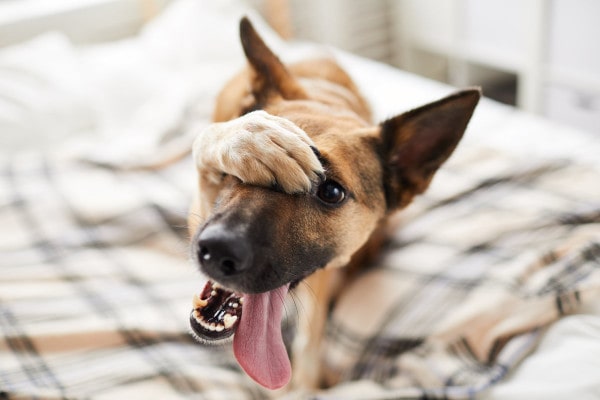
Sometimes additional symptoms like lethargy, vomiting, or abdominal pain help you tell your dog is sick, and a vet visit is in order, but at other times diarrhea shows up while acting fine. I’ve seen these situations feel harder to know how to navigate, whether to give it time, try a home remedy, or start calling the vet.
My dog has diarrhea but is acting fine, which can happen with mild stomach upset or a simple diet change.
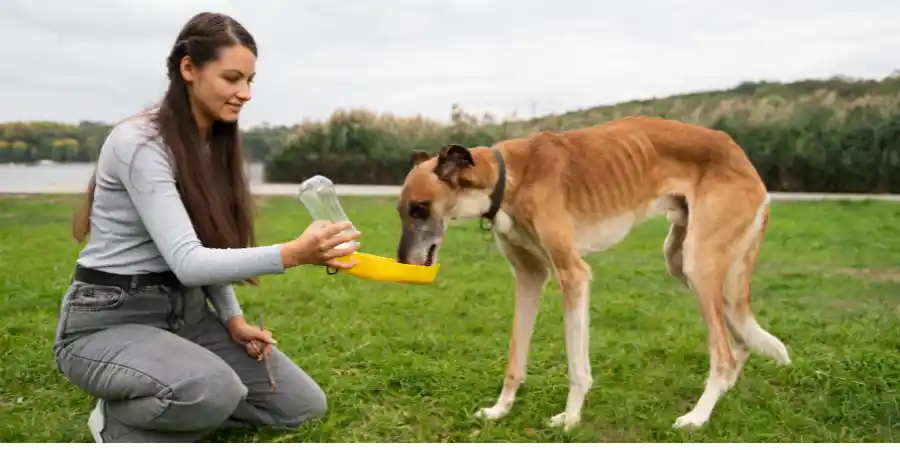
If my dog has diarrhea but is acting fine, I still keep an eye on hydration and watch for any changes.
Understanding the Conundrum
When diarrhea hits and your dog is acting, feeling totally normal otherwise, it becomes a real conundrum. From experience, hopefully the information I share gives a better idea of what to do, balancing care without panic while watching closely.
Why do dogs have diarrhea in the first place?
In order to better understand diarrhea, I always start with a quick anatomy and physiology lesson from experience as a pet owner. A dog’s small and large intestines are responsible for absorbing nutrients and fluid from the food your dog eats, then passing the remainder of intestinal contents (ingesta) through the body as stool.
Sometimes, instead of nicely formed stool, I’ve seen dogs pass loose, poorly formed stool, also known as diarrhea, and yes, formed patterns can change fast even when the dog seems fine. Knowing this helped me stay calm and act wisely the first time I faced diarrhea at home.This may occur when:
- The intestinal cells secrete more fluid into the intestinal lumen (i.e. space within the intestines that contains the ingesta)
- The walls of the intestines become inflamed or eroded, which allows more fluid, electrolytes, and blood to enter the intestinal lumen
- Particles within the ingesta pull more fluid into the intestinal lumen
- The rate of passage of ingesta through the intestines increases (i.e. it goes through the intestines faster), leaving less time for excess fluid to be pulled out.
What causes diarrhea in dogs?
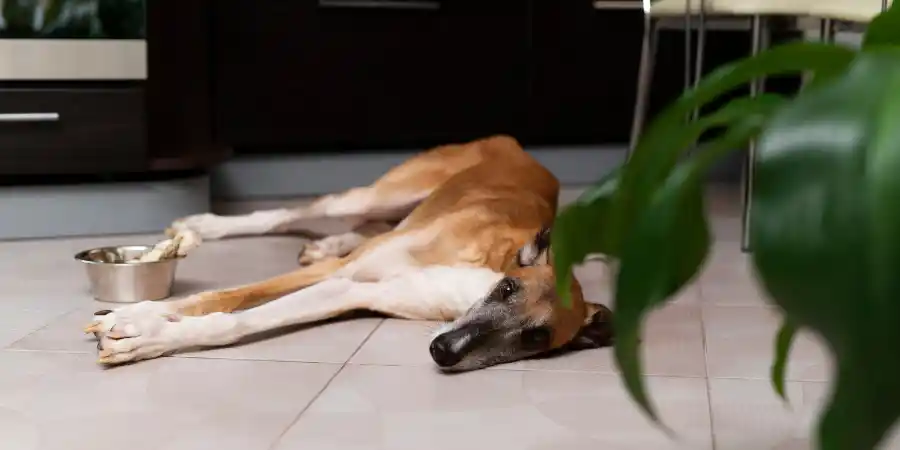
Practically speaking, a variety of different diseases or scenarios can lead to the mechanisms of diarrhea we already discussed, and I’ve seen how they tend to make dogs sick in real life. In some cases, a dog starts losing weight, vomiting, acting lethargic, or showing other symptoms, which signals a deeper issue.
When to Look Deeper
From experience, a few more common health issues often fall into this category, and knowing this helps you act early instead of guessing. Watching patterns closely helped me spot problems before they grew serious.
- Some viral, bacterial, or fungal infections such as parvovirus
- Inflammatory bowel disease (IBD in dogs), which tends to cause chronic diarrhea
- Pancreatitis in dogs (i.e. inflammation of the pancreas which is often associated with eating fatty foods)
- Acute kidney failure in dogs
- Acute liver disease in dogs (e.g. hepatitis)
- Hemorrhagic gastroenteritis (HGE in dogs)
Why is my dog having diarrhea but acting fine?
But other conditions may lead to a dog who has diarrhea but is otherwise feeling fine. Some of the common culprits include:
- Changing to a new food or giving your dog a new treat or chewable toy
- Stress (e.g. moving, boarding, company coming over, new pet in the house, etc.)—this is called stress colitis in dogs
- Medications (e.g. non-steroidal anti-inflammatory drugs such as carprofen for dogs, steroids such as prednisone for dogs, antibiotics, or chemotherapy drugs)
- Dietary indiscretion (e.g. ingestion of foreign objects, eating garbage or spoiled food, consuming plants or toxins, etc.)
- Less severe bacterial or viral infections
- Parasitic infection (e.g. roundworms, hookworms, coccidia, giardia, etc.)
- Dysbiosis (i.e. imbalance of bacteria in the intestines)
To further complicate things, dogs with a diarrhea-causing condition may be acting sick, while other dogs with the same condition show no symptoms. For example, puppies with severe parasitic infestations can develop significant anemia in dogs, with low red blood cell numbers, lethargy, and experience vomiting plus diarrhea, while a healthy adult with a smaller worm burden may show the only clinical sign as smelly watery diarrhea.
From experience, it’s also possible for a dog suffering diarrhea to start acting fine but begin feeling sick as the body becomes dehydrated or the condition worsens. All this means diarrhea is common, but it’s far from cut and dried, so close observation always matters.
Should I be worried if my dog has diarrhea but is acting normal?
Understandably, it can feel difficult for dog parents to know the best way to address their dog’s diarrhea. Luckily, the majority of cases of diarrhea in a dog acting fine are self-limiting, which means they resolve on their own, often without medical intervention.
However, as we have discussed, not all diarrhea is harmless. It could point to a serious condition, and even dogs with small amounts of watery diarrhea can sometimes become dehydrated if the diarrhea persists for several days. Knowing when to intervene is important to protect your pet’s health.
Do I need to go to the vet if my dog has diarrhea?
Let’s take a closer look at the types of diarrhea and how quickly you consider to go to the vet in each case .
Watery diarrhea or diarrhea with small amounts of mucous
Typically, dogs with soft, watery diarrhea or diarrhea with a small amount of mucus, acting fine, can safely wait a day or two before being seen by a vet. This gives you a chance to try home remedies and see if the diarrhea will resolve on its own.
If it doesn’t, or your dog gets worse, it’s time to head to the vet without delay to ensure proper care. Watching your dog closely during this period helps you respond quickly if the situation changes.
Green or yellow diarrhea
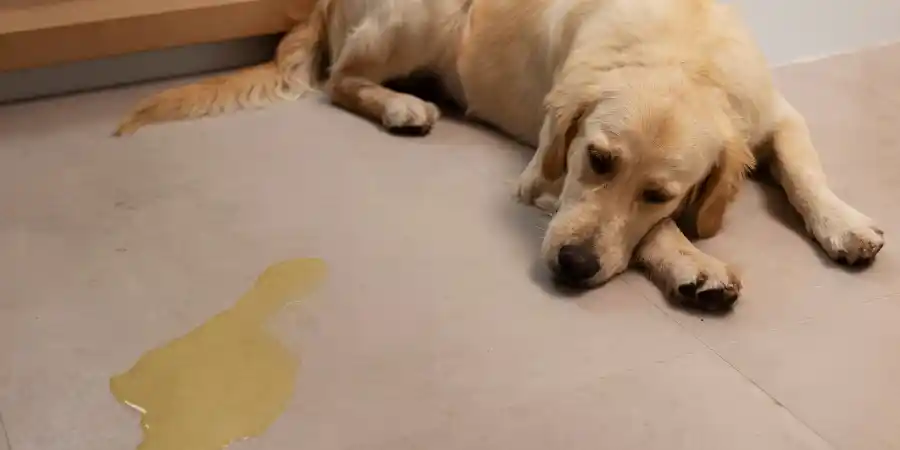
Green diarrhea or yellow diarrhea can be shocking, but it’s generally ok to give a day or two before bringing your dog to the vet if your dog is acting fine. Observing your dog carefully during this time can help determine if the situation resolves on its own.
However, if your dog is acting sick, or there is any chance your dog has gotten rat or snail bait, which typically contain green or blue dye, it’s important to seek veterinary care quickly to prevent serious complications.
Black, explosive, or bloody diarrhea
If your dog has diarrhea with severe symptoms, it’s a good idea to make an appointment with your vet promptly. You should also consider heading to an urgent care or emergency clinic for an emergency vet visit to ensure your pet receives immediate attention. Acting quickly can prevent the situation from worsening.
- Explosive diarrhea (this can be painful and may cause rapid dehydration)
- Black, tarry diarrhea (this could indicate upper gastrointestinal bleeding)
- Bloody diarrhea (this could indicate hemorrhagic gastroenteritis or other causes of bleeding within the colon)
If your dog has bloody diarrhea, it can mean diarrhea contains a lot of blood. Dogs with an inflamed colon may sometimes show a little streak of blood in the diarrhea, which, while still concerning, is often a small amount that typically carries less urgency than true bloody diarrhea. Observing carefully helps you decide when to act quickly.
When in doubt, talk to your vet
I’ve tried to give general guidelines on when to call the vet for a dog with diarrhea acting fine, but it’s important not to downplay the importance of your pet parent intuition. If your gut says something is wrong with your dog, or you’re concerned about symptoms, don’t hesitate to reach the vet for help and to decide whether to bring your dog promptly or try home remedies for a few days. Acting early can prevent complications and keep your dog comfortable.
What can I expect if I need to bring my dog to the vet?
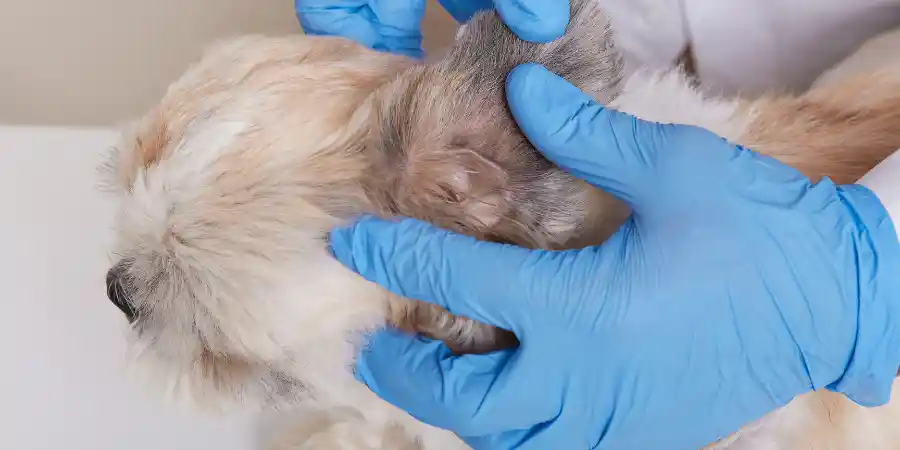
When you visit a veterinary clinic, the veterinary team will start asking questions about your dog’s symptoms, diet, vaccinations, and other information that can sometimes help narrow the list of common causes of diarrhea. The vet will perform a thorough physical exam and pay special attention to your dog’s hydration status, abdominal palpation, and rectal exam findings to make the best care decisions.
Fecal exam and other testing
After gathering information, the vet will discuss diagnostics for your dog with diarrhea that feels fine and has a normal physical exam. The only diagnostic the vet may recommend is a fecal test for dogs, so bring a fecal sample to the appointment if possible. These fecal tests help the vet rule out parasites and evaluate stool appearance to guide proper care.
There is a variety of potential tests your vet can run for a dog with diarrhea, including parvo test, blood tests, X-rays, ultrasound, or a fecal exam, which is a good place to start by checking the cause of diarrhea in a dog acting fine, as additional testing usually isn’t necessary and can be cost-prohibitive.
However, if your vet is suspicious of parvo, organ damage, toxin exposure, or other serious causes of diarrhea, or if your dog’s diarrhea doesn’t resolve after a few days of symptomatic treatment and keeps coming back, more testing is often warranted at that point to ensure proper care.
How do veterinarians treat diarrhea in a dog who is acting fine?
After reviewing the results of the physical exam and fecal test, along with any other testing indicated, the vet will develop a treatment plan. If the vet uncovers a cause for diarrhea, like parasites, your dog may receive specific treatment such as anti-parasitic medications.
If your dog is dehydrated, the vet may administer subcutaneous fluids or, for significant dehydration or severe diarrhea, recommend hospitalization with IV fluids and additional treatments to ensure recovery.
In the past, the antibiotic metronidazole was a popular choice for dogs with acute diarrhea, but recently veterinarians have been moving away from using it frequently due to negative effects on normal intestinal bacteria and weak evidence supporting its efficacy. This shift is supported by a 2022 study demonstrating that nutritional management was superior to metronidazole in dogs with acute colitis or colon inflammation.
For most cases of diarrhea, supportive care remains the mainstay treatment for dogs who are otherwise asymptomatic. It typically involves probiotics, fiber supplements, and a bland diet for dogs, helping restore intestinal balance and ease symptoms.
By focusing on nutritional management and supportive care, dogs often recover without relying on antibiotics, reducing the risk of negative effects and promoting healthy digestion naturally. Early observation and consistent care are key to managing acute diarrhea in dogs safely.
How can I treat my dog’s diarrhea at home?
These same supportive care measures are things you can try out at home when you notice your dog has diarrhea. Let’s take a look at each one in more detail.
Bland diet
When dogs have diarrhea but still eat and seem fine, I usually focus first on calm, steady feeding. Using small amounts of a bland diet frequently during the day can soothe the GI tract, which I’ve seen work well in many mild cases.
In some situations, veterinary prescription diets that are highly-digestible and low-fat are ideal for dogs with diarrhea. These specially formulated dog foods promote healthy intestinal bacteria while meeting energy requirements, which supports recovery without stress.
If you are in a pinch, it is generally safe to feed cooked chicken and white rice. This combination of food provides important nutrients while adhering to the rules of a bland diet I often suggest to worried owners.
Most veterinarians recommend boiled, skinless chicken and boiled white rice, though ground turkey, potatoes, and low-fat cottage cheese are safe options. I always keep in mind to not use oils or seasoning when you prepare the meal.
No matter the diet, offer plenty of fresh water every day. Assuming the diarrhea resolves, you can typically make a gradual transition back to regular food after three to five days, unless your vet instructs otherwise.
Probiotics and prebiotics
In my experience, over-the-counter probiotic supplements can be very helpful for dogs with diarrhea because probiotics are live bacteria that maintain overall gastrointestinal health. They provide balance inside the gut and support the dog’s system in a gentle way.
These probiotics create competition for harmful bacteria that try to make themselves at home in the intestines, which I often explain to pet parents during early care. This process helps steady digestion without stressing the body.
Many supplements include prebiotics that contain food for helpful bacteria, and I’ve seen multiple options work well for many dogs when used correctly.
Fiber supplements
From my experience, adding fiber to a dog’s diet can really help resolve diarrhea, because in this case it improves stool consistency and movement of foodstuffs through the intestines. This approach also promotes gut health by feeding good bacteria, which I have seen calm upset digestion fast.
Even when food already contains fiber, it isn’t necessarily enough, so adding plain, canned pumpkin for dogs works better. I often suggest giving him or her a supplement, which can make a big difference when diarrhea lingers.
From my experience, psyllium-based fiber supplements like Metamucil for dogs are a popular choice when stools turn loose but energy stays normal. I often suggest capsules or unflavoured powdered forms because they tend to be the best and safest options.
I typically recommend you sprinkle the powder on food once or twice a day, which helps gently firm things up without stress on digestion. This approach works well when diarrhea is mild and your dog still eats happily.
A veterinarian can advise you on how much Metamucil to start with and often adjust the dose if needed, which is something I always value when guiding pet parents.
Safety note:
You should not give your dog pumpkin pie filling because it may contain harmful spices or artificial sweetener like xylitol, which is toxic for dogs. Always read the label of Metamucil to ensure it does not contain xylitol either. Avoid flavoured, powder, gummies, or wafer forms of Metamucil as they are particularly likely to contain xylitol.
Can I give my dog Pepto Bismol for diarrhea?
When it comes to diarrhea in dogs, many pet parents wonder if they should try giving their dog Pepto-Bismol or Imodium (loperamide) at home. As a veterinarian, I always recommend consulting your vet first because human medications can be risky for dogs and often have important reasons for caution. Veterinarians share the point of view that using these medications without guidance is unsafe.
Pepto-Bismol can turn your dog’s stool black, be mistaken for a foreign body on X-rays, and increase the risk of GI ulcers, while it may also interfere with other medications your dog is taking. Motility modifiers like loperamide can be dangerous if your dog’s diarrhea is caused by intestinal obstruction or toxins that need to leave the body safely.
Because of these risks, human anti-diarrheal medications should be reserved for specific situations your veterinarian feels are warranted. Clients should try not to medicate dogs at home without proper guidance. Many online articles may suggest trying Pepto-Bismol or loperamide, but professional advice is crucial.
Always maintain the safest approach and avoid giving these medications unless your vet advises otherwise. Understanding your dog’s health and consulting a veterinarian prevents complications and ensures proper treatment.
Even if your dog seems fine, remember that Pepto-Bismol and loperamide are not always appropriate and can mask serious issues. Your vet can determine if your dog needs a different approach or further testing.
By following these guidelines and staying in touch with your veterinarian, you ensure your dog receives safe and effective care, minimizing risk from human medications while addressing diarrhea responsibly.
Try home remedies but talk to your vet if you are worried
If your dog has diarrhea, know that it is very common in dogs and, thankfully, often self-limiting and otherwise asymptomatic. A dog with diarrhea acting fine and that doesn’t have explosive, black, or bloody diarrhea can usually try some supportive care at home.
Monitor your dog’s diarrhea closely. If it doesn’t resolve in a day or two, or the dog starts acting sick, contact your veterinarian promptly. Being worried is normal, but don’t hesitate to consult your veterinarian for guidance.
Always call and find out if you can stay the course with supportive care rather than wish you had called earlier. This approach helps manage your dog’s diarrhea safely and effectively.
Keep track of your dog’s diarrhea so you can see if it resolves or becomes a distant memory. Even if it repeats, understanding the pattern can help prevent stress and complications.
Remember that diarrhea may repeat itself while your dog is recovering, but consistent care and monitoring are key. Always be proactive to avoid worsening the condition.
Using this strategy of careful observation, supportive care, and timely veterinary input ensures your dog’s diarrhea is handled safely while keeping your dog comfortable and healthy.
Conclusion:
Managing a dog with diarrhea but acting fine usually involves gentle supportive care, proper diet, and monitoring symptoms. Most cases are self-limiting, but persistent or severe diarrhea requires prompt veterinary attention. Staying observant, providing hydration and nutrition, and seeking help when needed keeps your dog safe and comfortable.
At mydogwell.com, we keep things simple. No complicated terms, no confusing information—just practical advice to help you understand your dog better and keep them healthy.
FAQ’s
Why is my dog having diarrhea but acting normal?
Sometimes, your dog’s diarrhea may be caused by dietary indiscretion, like eating garbage or unfamiliar food, which is a common reason for upset tummies. Other possible causes include stress, parasites, or viral infections, so it’s important to monitor any changes in your dog’s environment or diet that may have triggered the issue. By paying attention early, you can often manage the problem before it worsens.
What can I give my dog to stop diarrhea?
If your dogs have diarrhea that is mild, you can try fasting them for 12-24 hours while still offering water, then reintroduce a bland diet of plain, boiled chicken, lean turkey or beef with white rice and canned pumpkin for fiber to ensure proper hydration, and consider probiotics or vet-approved remedies like Bismuth Subsalicylate (Pepto-Bismol) if advised, but always consult your vet first, especially if symptoms become severe or persistent, as human medications can be toxic.
At what point should I be concerned about my dog having diarrhea?
If your dog has diarrhea that lasts over 48 hours or contains blood, whether bright, red, black, or tarry, and is accompanied by vomiting, lethargy, loss of appetite, fever, pale gums, or abdominal pain, you must contact your vet promptly. Puppies, senior dogs, or those with existing health conditions can signal serious dehydration or underlying issues. While mild cases may usually resolve on their own, persistent or severe symptoms require prompt medical attention to prevent complications and severe dehydration.
Should I stop giving my dog food if he has diarrhea?
If your dogs have diarrhea but are mild, otherwise healthy, and adult, you can try withholding food for 12-24 hours to help rest their digestive system, but never withhold water and don’t fast puppies, small breeds, seniors, or those with chronic conditions like diabetes; after fasting, when appropriate, reintroduce a bland diet of boiled chicken and rice, and contact your vet if symptoms worsen or persist, because severe cases need medical attention.
What is a silent killer in dogs?
For dog owners, it’s important to recognize that a silent killer in dogs commonly refers to Hemangiosarcoma (HSA), an aggressive cancer of blood vessel cells that often shows few signs until it ruptures and causes internal bleeding, frequently from the spleen, leading to sudden collapse and death, while other conditions called silent killers due to their stealthy nature, like Heartworm Disease with early symptoms that damages the heart and lungs, or Bloat (GDV), a life-threatening stomach twist, require immediate veterinary attention.