From my experience as a dog owner, the smartest way to write short, powerful content is to focus on one clear threat at a time—like parvovirus or parvo—while quickly recognizing early warning symptoms in puppies, explaining the details of how this viral adversary spreads from a dog park to a backyard, and reminding readers that strong medical care, a consistent health regimen, and timely vaccinations or vaccinations protect every pup and other canine companions.
When writing a tight paragraph, I highlight practical action: how a dog owner helps their canine companions build strength to fight this dangerous viral adversary, while focusing on prevention and safeguarding overall health—a structure I often follow when drafting any article meant to educate people who love their dog.
Parvovirus in Dogs
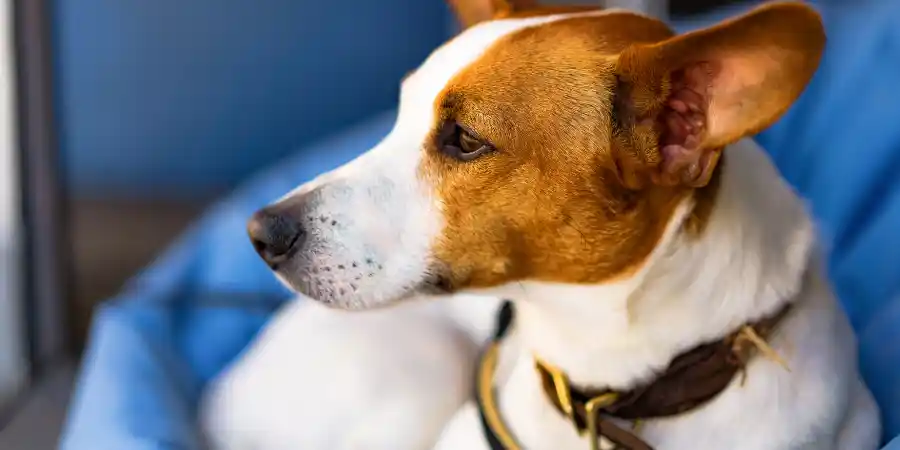
From years of caring for dogs and puppies, I learned that canine parvovirus—often called parvovirus—is a highly contagious and sometimes fatal virus that spreads quickly and causes severe gastrointestinal distress or general gastrointestinal distress, so writers should stress early detection of symptoms like bloody diarrhea, vomiting, lethargy, and loss of appetite while explaining how prompt veterinary care, intensive veterinary care, and proper veterinary care can improve survival.
A practical way to write clearly is to focus on protection first: show how vaccination works as prevention, describe it as the most effective prevention method, and reinforce that this prevention method helps stop the spread of the dangerous virus before it harms vulnerable puppies.
Understanding Parvovirus
In my experience helping dog owners, the best way to explain canine parvovirus is to start with its impact: parvovirus is a highly infectious disease and dangerous virus that targets dogs, especially young puppies and puppies under six months of age.
Where unvaccinated puppies or those with incomplete vaccinations face greater infection risk and deep vulnerability, allowing this canine disease to wreak havoc if vaccinated protection and routine vaccinations are missing.
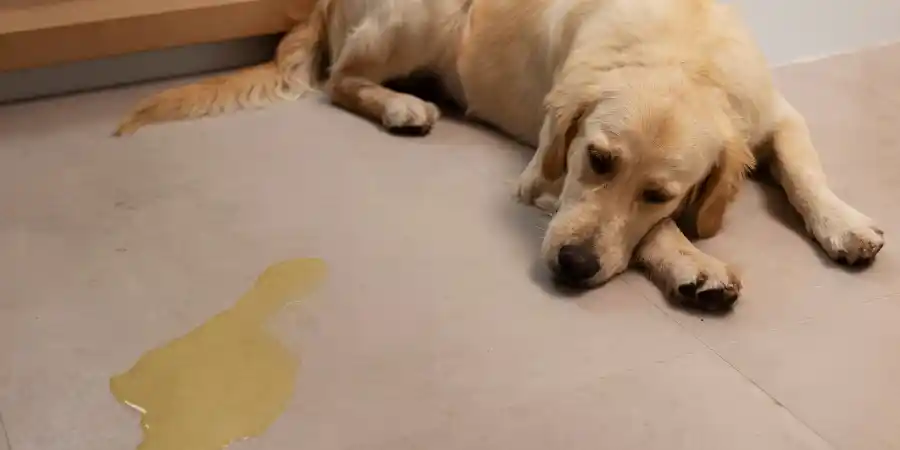
How this illness causes severe gastrointestinal problems, painful gastrointestinal issues, and extreme digestive distress with relentless vomiting, vomiting, diarrhea, and loss of appetite.
Which quickly creates dangerous dehydration, dehydration risk, and serious dehydration complications, showing why fast prompt veterinary care, strong veterinary treatment, and even life saving care give infected puppies a real survival chance.
This stubborn virus can survive on surfaces for months through environmental survival on contaminated surfaces or contaminated objects.
Where a simple sniff or lick from an unsuspecting pup can infect others through virus transmission and rapid infection spread, which is why timely vaccination, strong vaccination protection, and overall puppy protection remain the most reliable disease prevention against this ruthless invader.
The Importance of a Dog Vaccination
When I explain canine parvovirus to new responsible pet owners, I start with one simple idea: vaccinations act as a life-saving preventive measure and powerful preventive measure that shields puppies from a highly contagious virus.
Without protection, this virus can cause severe gastrointestinal illness, serious gastrointestinal illness, and sometimes death, which is why early disease prevention matters.
In practical terms, vaccinations work like a protective barrier for every dog and growing puppy, reducing the risk of contracting parvovirus.
Following a clear dog vaccination schedule or proper vaccination schedule helps with safeguarding pets while strengthening the overall health of the canine community and preventing outbreaks or larger potential outbreaks through better disease control.
From my experience with young dogs, especially those under six months, strong proactive healthcare practices matter just as much as love and training.
Regular shots, regular vaccinations, and steady preventive care support immunity building, strengthen immune defenses, and improve long-term dog health protection.
I often describe dog vaccination to new owners as a suit of armor for a pup immune system. It trains the immune system to fend off viruses during virus exposure, and early immunization greatly improves survival rates when combined with proper scheduling, trusted veterinary guidelines, and consistent immune protection focused on real prevention.
Finally, consistent routine parvo vaccines or parvo vaccines help keep our furry friends living happy lives and healthy lives.
With strong canine health habits and steady disease prevention, many preventable diseases like parvovirus become far less threatening for growing puppies.
Signs and Symptoms of Parvovirus in Dogs
Early Warning Signs
When I teach new caregivers about parvovirus in dogs, I tell them to trust the early warning signs first. Many puppies start with lack of energy, lose interest in food, or simple appetite loss, and these quiet changes often mark the onset of a dangerous virus before more serious symptoms appear.
I have seen cases where the first clues were unusual behavior, such as hiding or looking unusually tired.
These telltale signs may seem small, but they often point toward an infected animal, and noticing them early helps protect our furry friends from a fast-moving deadly disease.
Physical illness soon follows in many affected puppies, including vomiting, diarrhea, or even severe diarrhea with persistent symptoms.
When this happens, acting quickly becomes critical because delay gives the dangerous virus more time to harm the body.
From my experience, the best response is swift veterinary care and seeking professional advice immediately. Quick action can improve survival rates and give affected puppies a real chance to recover before the infection becomes overwhelming.
Common Clinical Signs
When people ask me about parvovirus in dogs, I tell them that the biggest danger is missing the early warning signs. Many owners notice small changes but ignore them until clinical symptoms appear.
As parvovirus progresses, the manifestations become more alarming, because this fast-moving virus can quickly weaken a young puppy and affect overall health.
From what I have seen in practice, the illness often begins with severe vomiting and diarrhea. These issues can push a dog toward dangerous levels of dehydration very quickly.
Sometimes the stool contains blood, which points to serious damage in the intestines, something that every owner should treat as an emergency.
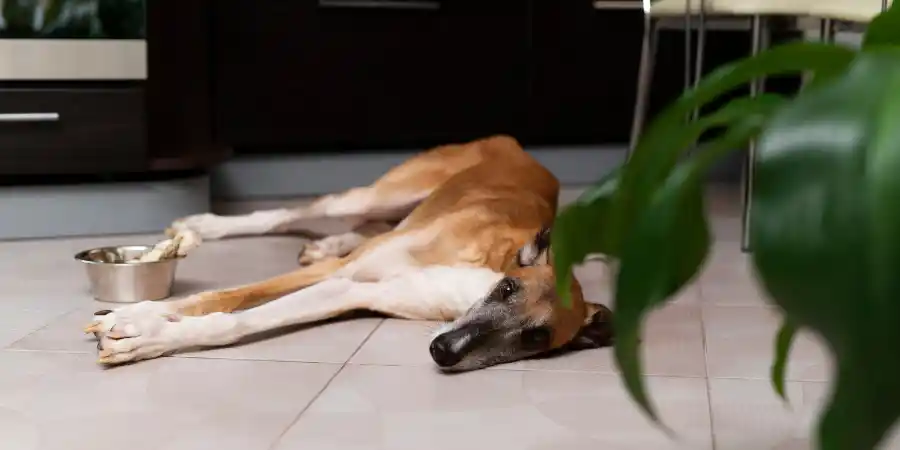
Young puppies are especially vulnerable to canine parvovirus. They often show deep lethargy, lose interest in normal playtime, and become unusually quiet compared with their usual energy.
When I see these changes, I always advise owners to watch closely because they are early symptoms that should never be ignored.
Another thing I always check is body temperature. A fever or even a low body temperature can appear alongside other symptoms, signaling that the infection is affecting the entire system.
Recognizing these warning patterns early can make a life-saving difference for a sick puppy.
Diagnostic Tests
In my experience with canine health, fast testing makes a huge difference when dealing with parvovirus infection. A fecal ELISA test, often called ELISA or a simple fecal test, helps with detecting viruses through a sample of dog stool.
This quick test allows swift detection, which helps vets initiate treatment and begin treatment without delay.
Doctors usually combine stool testing with blood work to evaluate dehydration and measure the dehydration extent in the body.
During serious infection, vets often find problems with white blood cells, including a loss of white blood cells, which signals that the immune system is under stress.
For deeper virus detection, clinics sometimes rely on advanced laboratory techniques such as polymerase chain reaction or PCR.
These methods check the virus DNA inside the dog body, which supports accurate detection and improves infection diagnosis.
From what I have seen over the years, using the right diagnostic tools helps with early identification and allows vets to fight parvovirus more effectively.
Early action greatly improves survival rates and gives affected pups a much stronger chance to recover.
Treatment and Prevention of Parvovirus in Dogs
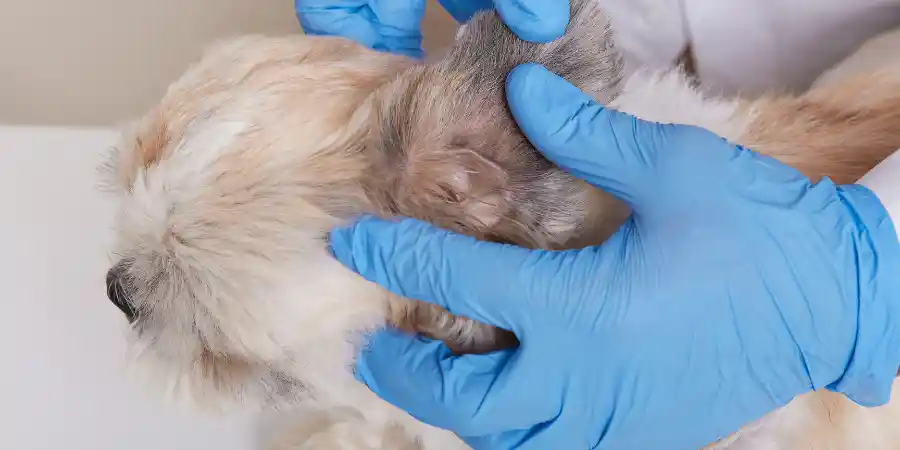
From my experience with parvovirus in dogs, quick action matters most. When I talk about treating parvovirus, I always stress immediate veterinary care because vets must combat severe symptoms and prevent health complications quickly.
Skilled vets usually start supportive therapies like IV fluids to tackle dehydration and support proper dehydration treatment.
They also use medications to control vomiting and provide diarrhea control, while antibiotics help stop secondary infections. Many sick pups need hospitalization for constant monitoring and ongoing treatment.
In my experience, prompt medical attention during the first critical days greatly improves the survival chance.
Prevention remains just as important. Preventing canine parvovirus starts with strong vaccination programs focused on building immunity and strengthening virus immunity.
Vets advise vaccinations for puppies at 6-8 weeks old, followed by annual booster shots based on vet recommendation and continued regular vaccinations to protect our furry friends.
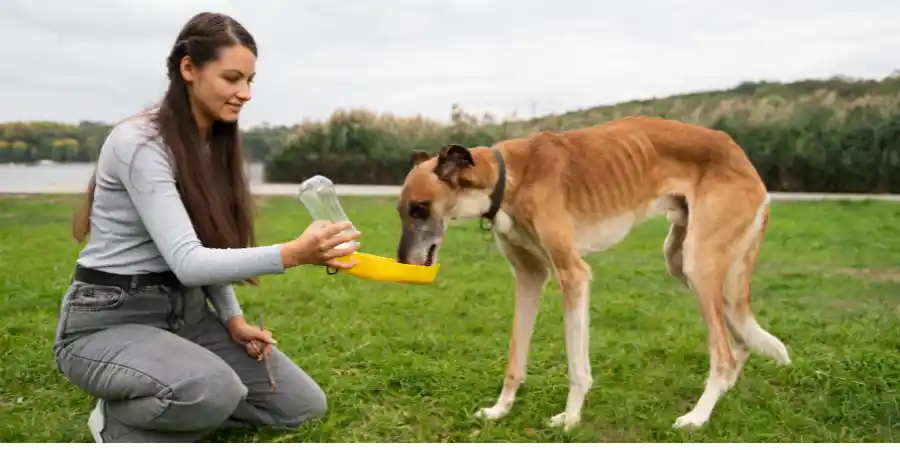
Daily dog care also helps because parvovirus spreads through fecal matter. Owners should clean up after the dog, practice frequent disinfection, and wash water bowls to minimize contagion in dog environments where dogs play together or dogs live together.
I always suggest good hygiene, avoiding outbreak areas during outbreaks, and ensuring fully vaccinated puppies for additional defense against this dangerous virus.
Protect Your Pet from Parvovirus Today!
In my years around clinics, I learned that acting swiftly when facing parvovirus in dogs truly makes the difference. Strong vaccinations work like a sturdy shield, guarding pups and beloved pups from this aggressive virus.
Owners often feel real relief once they focus on dog safety and choose to vaccinate early.
Good habits matter too. Regular vet check-ups, staying up-to-date with shots, and proper vet care help stop illness before it spreads among canine companions.
These simple steps support healthy dogs, happy dogs, and stronger disease prevention, giving better pet protection, puppy safety, and lasting vaccination protection through responsible pet care.
Conclusion:
Parvovirus is a highly contagious and dangerous virus that poses a serious threat to puppies and young dogs, but early detection of symptoms and swift veterinary care can dramatically improve survival rates. Vaccinations act as a powerful preventive shield, protecting puppies and dogs while building immunity and supporting overall canine health. Consistent preventive care, proper vet check-ups, and maintaining hygiene create strong disease prevention, giving our furry companions the best chance to stay healthy and thrive.
At mydogwell.com, we keep things simple. No complicated terms, no confusing information—just practical advice to help you understand your dog better and keep them healthy.
FAQ’s
Can dogs survive parvo if vaccinated?
Even a dog vaccinated with parvo vaccination can face future infection, so pet parents must understand the protection limits. Using an effective vaccine not only helps in developing immunity but also shields against this terrible disease, making it an important step for canine immunity, disease protection, and long-term parvo protection.
Can a dog survive parvo without going to the vet?
Although parvovirus can strike suddenly, dog survival and puppy survival improve dramatically with immediate veterinary care and intensive veterinary care. Without supportive care like IV fluids, anti-nausea medications, and antibiotics, rapid dehydration, life-threatening dehydration, organ damage, and secondary infections make survival extremely rare and highly unlikely, with the survival rate at less than 10 percent; with proper treatment, survival jumps to 85-95 percent, highlighting the importance of monitoring virus effects, understanding parvovirus severity, and providing emergency care to safeguard canine health.
What age is a dog most at risk for parvo?
Canine parvovirus or parvo is most common in puppies between 6 weeks and 6 months old, especially unvaccinated puppies or those with an incomplete vaccine series. With their immune system developing and maternal antibodies fade, they become highly vulnerable to this highly contagious virus, facing severe illness that is prevalent in the young age group. Older dogs can get it too, but puppy susceptibility, infection risk, parvovirus exposure, viral spread, dog immunity, puppy health, juvenile dogs, and overall canine vulnerability make early care essential.
Do dogs really need the parvo vaccine?
The parvo vaccine is a core vaccine and highly necessary for all dogs and puppies because canine parvovirus or Parvo is a highly contagious, dangerous disease that can become a fatal disease. It attacks the digestive system, causing severe vomiting, bloody diarrhea, dehydration, and lethargy. Prevention through vaccination offers easier prevention and cheaper prevention than treatment, requiring a series of shots for puppies, boosters for adult dogs, and helps maintain immunity, ensuring puppy protection, dog immunity, disease prevention, digestive health, and highlights the importance of vaccination.
What dog breed gets parvo the most?
Historical findings show that intact males between one to three months with no vaccines face the highest puppy risk for parvovirus exposure. Certain dog breeds like Rottweiler, Doberman Pinscher, American Pit Bull Terrier, Labrador Retriever, and German Shepherd have higher breed susceptibility, making young dogs and unvaccinated puppies more prone to viral infection, increasing parvovirus risk and threatening puppy health and overall canine health due to canine vulnerability.