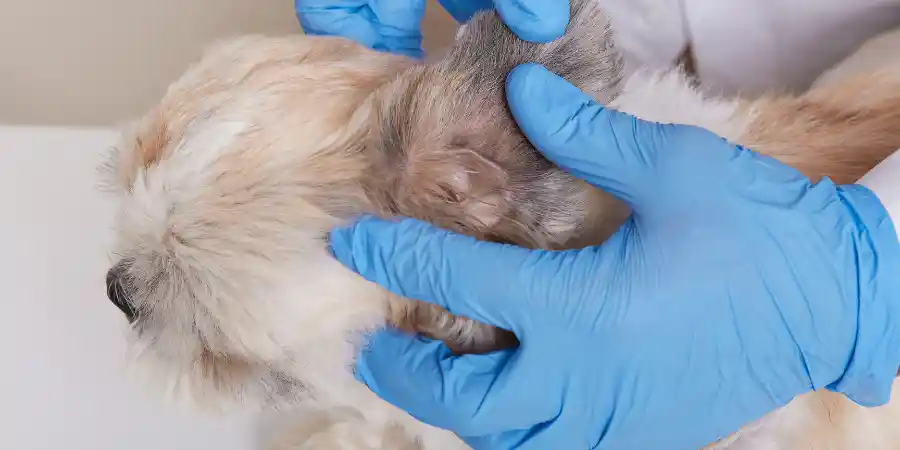
When I first started working with dogs, I often noticed red, irritated, and bumpy patches on a dog’s skin. This common issue can come from a variety of causes such as allergies or infections, which often lead to rashes. In many cases the problem is mild and may resolve with basic care, but sometimes the signs of skin irritation require urgent veterinary care.
From my experience, learning to recognize early symptoms and knowing when to seek professional help can really ensure your furry friend remains comfortable and healthy. At places like Parrish Veterinary Clinic & Urgent Care, vets often discuss treatment options for rashes in dogs, helping owners make informed decisions about their pet’s care.
All You Need to Know about Rashes in Dog
From what I often see in practice, dog rashes are commonly caused by allergies, food, environmental triggers, parasites like fleas and mites, or infections such as bacterial and yeast, and sometimes simple contact dermatitis. The key symptoms include intense itching, red, inflamed skin, hair loss, and scabs, which usually help owners quickly notice something is wrong.

In most cases, the treatment ranges from medicated shampoos and dietary changes to antibiotics or allergy medication, always depending on the cause. I always remind owners that watching these signs early makes managing rashes in a dog much easier and prevents the problem from getting worse.
What Causes Rashes in Dogs?
In my experience with dogs, a dog’s skin works as the first line of defense against external irritants, but it can still become vulnerable to various conditions that cause redness, swelling, and itching. Over time I’ve seen how many factors contribute to rashes in dogs, which is why careful observation of the skin often helps owners notice problems early.
Allergies
Allergies are the main cause of skin irritation in dogs.These can be triggered by:
- Food allergies: Certain ingredients in commercial dog food, such as beef, dairy, or wheat, may cause allergic reactions.
- Environmental allergens: Pollen, mold, dust mites, and grasses can cause seasonal or year-round allergies.
- Flea allergies: Even a single flea bite can trigger an allergic reaction, leading to intense itching and rashes.
Parasites
In my experience, external parasites like fleas, mites, and ticks can trigger severe skin reactions in dogs, with flea infestations often leading to flea allergy dermatitis. I’ve also seen mites cause mange, a condition characterized by hair loss and intense scratching, which makes careful monitoring of a dog’s skin essential to catch problems early.
Skin Infections
In many dogs, bacterial and fungal infections can lead to rashes, and I often notice this during routine checks when a simple skin problem grows into something uncomfortable. Hot spots, also called moist dermatitis, and ringworm are common issues that cause redness, scabbing, and clear discomfort if owners ignore early signs.
Contact Dermatitis
Dogs can develop rashes from exposure to irritants like:
- Harsh shampoos or grooming products
- Cleaning chemicals
- Pesticides or lawn treatments
- Certain fabrics or synthetic materials
Underlying Health Conditions
In some cases, deeper health problems like hormonal imbalances, immune disorders, or autoimmune diseases can manifest through a dog’s skin. I’ve often seen conditions such as hypothyroidism or Cushing’s disease cause hair loss, flaking, and persistent irritation, which signals that the immune system or hormones may be affecting the skin.
Common Symptoms of Rashes in Dogs?
While symptoms may vary depending on the cause, common signs of skin rashes in dogs include:
- Red or inflamed patches on the skin
- Excessive scratching, licking, or chewing at the affected area
- Hair loss or bald patches around the rash
- Scabs, blisters, or crusty skin
- Dry or flaky skin
- Swelling or a foul odor in severe cases
How Are Rashes in Dogs Diagnosed?
When owners bring their dog to Parrish Veterinary Clinic & Urgent Care, the veterinarian will perform a thorough examination to determine the underlying cause of the rash. In my experience, this careful check helps the vet connect the dog’s symptoms with the real problem before starting proper care.
- Physical examination: Checking for fleas, mites, or other visible signs of irritation.
- Skin scrapings: To detect mites or fungal infections like ringworm.
- Allergy testing: To identify potential food or environmental allergens.
- Bacterial cultures or fungal tests: If an infection is suspected.
- Blood work: To rule out underlying medical conditions affecting the skin.
Addressing Rashes in Dogs
Treatment depending on the causes of rashes , but your vet may recommend the following:
Medications
In treatment plans I’ve seen work well, vets often use
Antihistamines or steroids to reduce itching and inflammation.
While antibiotics or antifungal treatments target bacterial and fungal infections.
Good flea preventatives also eliminate infestations, prevent future outbreaks, and keep dogs far more comfortable.
Medicated Shampoos & Topical Treatments
From what I’ve seen while helping pet owners manage minor skin issues, Hypoallergenic shampoos can really help soothe irritated skin.
Sometimes vets also suggest medicated creams or sprays to provide relief from itching and redness.
While moisturizers or coconut oil support dry, flaky skin and keep the skin healthier.
Dietary Changes
When food allergies are suspected, I often see vets suggest a specialized hypoallergenic diet that is recommended to reduce reactions. An elimination diet can help identify triggers and prevent recurring rashes, making it easier for owners to manage their dog’s skin health effectively.
Environmental Management
I always advise pet owners that
Regularly washing your dog’s bedding and toys can minimize allergens.
Using pet-safe cleaning products helps reduce exposure to irritants.
Keeping your dog on year-round flea and tick prevention also prevents allergic reactions caused by bites, which keeps your furry friend comfortable and healthy.
When to Seek Urgent Veterinary Care
Some rashes require emergency attention, as certain symptoms indicate a serious condition that needs immediate veterinary care.
I’ve seen rapidly spreading rash, severe swelling, blistering, open sores, bleeding, or pus discharge, as well as difficulty breathing or signs of anaphylactic shock, fever, loss of appetite, and other skin issues that should never be ignored.
At mydogwell.com, we keep things simple. No complicated terms, no confusing information—just practical advice to help you understand your dog better and keep them healthy.
FAQ’s
When should I worry about a dog’s rash?
While most rashes are not emergencies, I’ve seen cases where hives, facial swelling, vomiting, or difficulty breathing require immediate veterinary care. Treatment depends on the cause and may include medicated shampoos, topical or oral medications, parasite prevention, and proper management of underlying conditions to keep dogs safe and comfortable.
What is the most common cause of rashes in dogs?
From my experience, frequent causes of rash in dogs include insect bites or stings, shampoos, and medications, while contact with toxic plants or chemicals can also trigger skin problems. Factors like friction, sunlight, heat, exercise, stress, and genetic abnormalities may cause or intensify the rash, making careful observation essential.
What can I do for my dog that has a rash?
Addressing Your Dog’s Rash
- Medicated Shampoos and Creams: To soothe and heal the skin.
- Antibiotics or Antifungals: For bacterial or fungal infections.
- Anti-Inflammatories or Antihistamines: To reduce itching and inflammation.
How to identify a rash on a dog?
While symptoms may vary depending on the cause, common signs of skin rashes in dogs include:
- Red or inflamed patches on the skin.
- Excessive scratching, licking, or chewing at the affected area.
- Hair loss or bald patches around the rash.
- Scabs, blisters, or crusty skin.
- Dry or flaky skin.
What are the top 3 things dogs are allergic to?
In my experience, the top 3 allergies in dogs include flea allergy dermatitis (FAD), environmental allergies (atopy), and food allergies, which are the primary causes of skin issues like itching, paw licking, and ear infections. Common triggers include flea saliva, pollen, dust mites, and proteins such as beef or chicken, which owners should monitor carefully to manage their dog’s comfort.