When beloved canine companions enter old age, I often see new health issues arise, and one common problem that makes owners concerned is a senior dog with a nose dripping; as veterinarians in Seattle, this post explains what might be happening and how we can offer simple solutions to help ease your worries.
Senior dog nose dripping
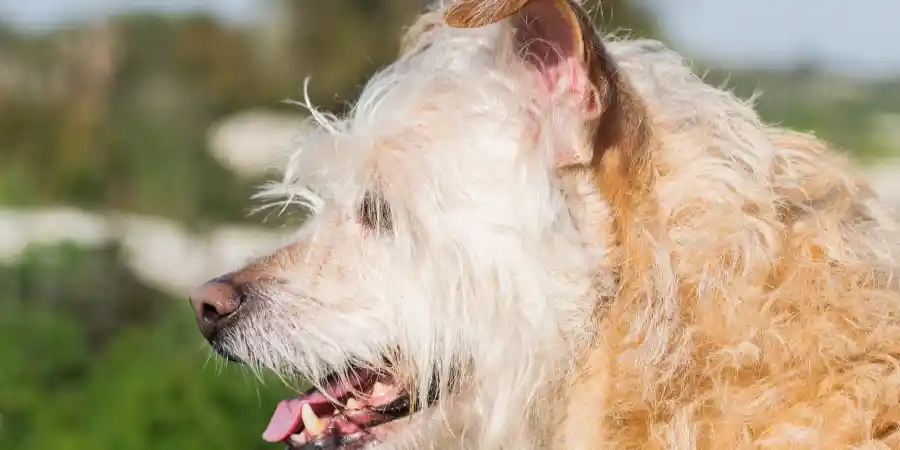
In my experience, a senior dog with a nose dripping is common, often stemming from allergies, infections, nasal tumors, or foreign objects when a weakened immune system struggles; a clear discharge may seem harmless like sweating, but thick yellow, green, or bloody fluid requires prompt veterinary care to rule out chronic rhinitis.
Why Dogs Have Wet Noses
As a vet, I often explain that a senior dog with a runny nose is not always a cause for concern because a wet nose comes from glands in the nostrils that produce mucus, which helps prevent dirt from reaching the airways.
A healthy dog nose stays wet as they lick it throughout the day, and this moisture is essential for dogs to pick up scents effectively, since molecules are more dissolvable in water than in dry air.
Still, it is important to monitor your dog experiencing a runny nose, as it can be a sign of an underlying health condition that may need attention.
From what I’ve seen, a runny nose for a few hours or a day is rarely a concern, but constant dripping, especially in senior dogs, may require a visit to the vet.
Why is My Dog’s Nose Running?
When you notice your senior dog with a runny nose, it can feel difficult to determine the exact cause, so our veterinary team in Seattle has compiled a list of common reasons behind this dripping to make things clearer.
This information can help you identify early symptoms and better manage your dog’s condition based on my hands-on experience with similar cases.
Allergies
In my clinic, I see how dogs experience a runny nose from allergies linked to hypersensitivity to allergens in the environment like dust, mites, pollen, mold, spores, certain foods, or prescription drugs, where an excessive immune system reaction triggers inflammation in the nasal passage and an increase in watery discharge.
These allergies are a common cause of nose dripping in senior dogs, but they can also be the reason behind a dry nose; I’ve found that identifying the exact allergen in a dog with a runny nose is often difficult, and as a result, providing appropriate treatment becomes challenging, making it essential to seek veterinary care when you suspect an allergy.
If your dog has a dry nose from allergies, simple home remedies like applying a small amount of coconut oil, petroleum jelly, shea butter, or olive oil can help when used several times a day.
I also tell owners to consider over the counter nose butters and balms, as they are effective in relieving dryness based on what I’ve personally seen work well over time.
Sweating
I often tell owners that it’s common for dogs to have a dripping nose from sweating, and it’s rarely a serious issue since dogs don’t regulate body temperature through their skin like humans do.
Instead, they sweat through the pads on their paws and noses, so a runny nose caused by this usually isn’t a worry and often goes away within a few hours.
Nasal Blockages
From what I’ve seen in practice, nasal blockages can seriously impact a dog’s overall health and well being, especially in older dogs, and they should never be underestimated. When untreated, dogs may experience difficulty breathing, decreased appetite, and lethargy, while a nose dripping can be an early symptom of a blockage.
A nasal blockage can occur when a foreign object gets stuck in the nostrils or throat, or from tumors, infections, dental problems, or allergies; if you suspect your dog has a runny nose from this, it’s essential to seek veterinary care immediately.
In many cases, a veterinarian will conduct tests to determine the root causing factor and ensure your dog receives the necessary treatment quickly.
Respiratory Infections
In many cases I’ve handled, respiratory infections are a common cause of runny noses in pets, and it’s often the first thing that comes to a pet owner’s mind; it’s easy to assume a cold is responsible, just like in humans, but an older dog is more vulnerable due to a weakened immune system.
The signs and symptoms of a respiratory infection in dogs often include sneezing, coughing, and nasal discharge, which I always tell owners not to ignore.
If untreated, these respiratory infections can lead to severe complications like pneumonia, so it’s imperative to seek veterinary care when you notice a persistent runny nose in your dog.
Veterinary Treatment of a Runny Nose in Senior Dogs
When I see a senior dog at the vet for a runny nose, I always conduct a thorough physical examination to get a clear picture of what’s going on.
After that, I suggest diagnostic tests like blood work, imaging, and nasal swabs to be performed so we can identify the root cause behind the symptoms quickly.
Home Care for Senior Dogs With a Dripping Nose
From my experience, ensuring your senior dog stays hydrated and clean is crucial when caring for a runny nose, and additionally, since dogs are more prone to developing health issues, you should closely watch them between veterinary appointments.
Unfortunately, at home, you can’t fully alleviate a runny nose, so it’s best to act cautiously and take your dog to the vet if there is persistent nasal discharge.
In my clinic, our team at Madison Park Veterinary Hospital is always ready to help you find the cause of the illness and support a smooth recovery.
Note:
The advice provided in this post is intended for informational purposes and does not constitute medical advice regarding pets. Please make an appointment with your vet to accurately diagnose your pet’s condition or boarding needs.
At mydogwell.com, we keep things simple. No complicated terms, no confusing information—just practical advice to help you understand your dog better and keep them healthy.
FAQ’s
Why is my senior dog’s nose dripping?
A senior dog’s nose dripping can be caused by benign factors like environmental allergies, temperature changes, or natural nasal moisture, but if the dripping is persistent and accompanied by yellow, green, thick, or bloody discharge, it may indicate serious, underlying issues such as respiratory infections, nasal tumors, or dental disease, and should be examined by a veterinarian promptly.
What are end of life symptoms in elderly dogs?
When caring for a dog dying of old age, watch for extreme lethargy, loss of appetite, persistent pain, social withdrawal, and difficulty breathing, as these indicators like incontinence, confusion, or a drop in body temperature appear gradually and can indicate that organs are shutting down.
How to treat a dog with a dripping nose?
If your dog experience nasal dripping , your vet may prescribe antibiotics or antiviral medication to help fight the infection.If it is due to allergies, they may recommend antihistamines or anti-inflammatories to help reduce inflammation and manage symptoms.
How to soothe a senior dog?
Managing joint pain with orthopedic bedding and vet-approved supplements, modifying their environment for safety with rugs, and adjusting their routine for lower mobility
What is the fastest way to cure a runny nose?
Use a saline nasal spray or neti pot to flush mucus, apply a warm compress to your face, and breathe in steam from a hot shower.