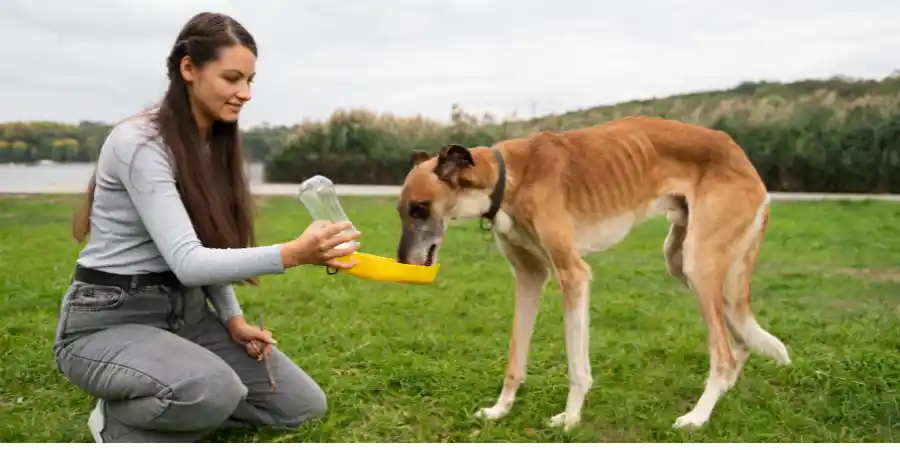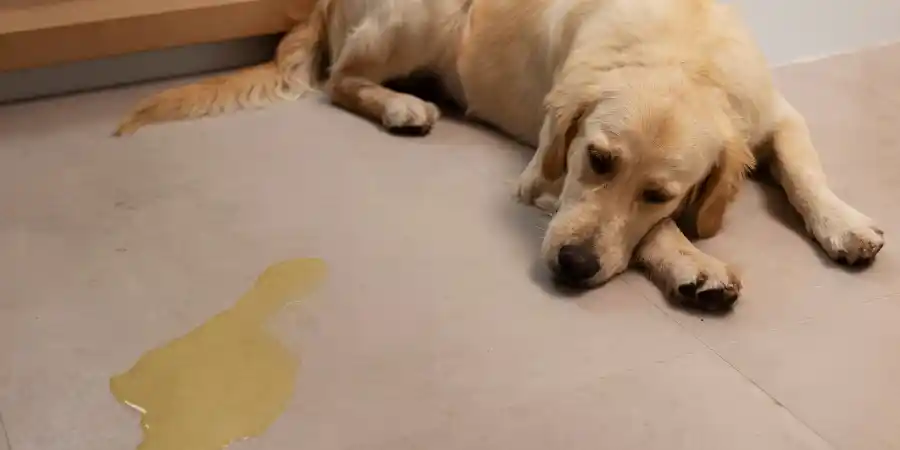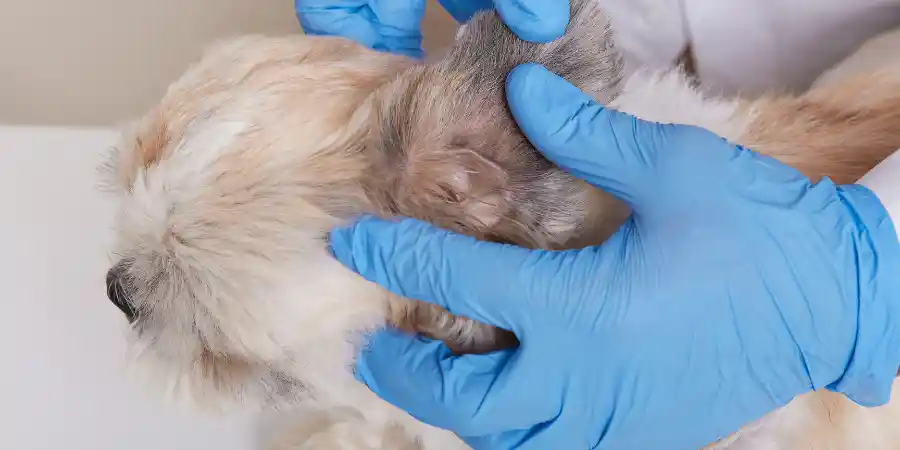
When I faced this distressing situation with my own pet, I learned how closely dogs and their appetite connect to their overall health and care. After years of experience, I now remember that even a small loss of interest in food can signal a deeper problem. As a first-time owner of a puppy, I felt concerned and quickly chose to seek veterinary advice.
I realized that feeding guidelines and averages on packaging only show a stated range like 60% to 70%, not a perfectly fixed rule. Sometimes a healthy dog may eat a smaller amount for a couple of days without serious bad effects, but I still keep this in mind. I always determine the real cause, judging each change well and watching daily habits and eating patterns.
When I notice significant changes, I respond promptly and try to address the issue early with a clear plan. I design my approach by reviewing possible reasons, from simple diet changes to illness that may need treatment. Whether I purchase new meals, adopt better routines, or manage a refusal to eat. I know it is important to act usually, stay informed, and provide the best care for most situations.
Why Is My Dog Not Eating?
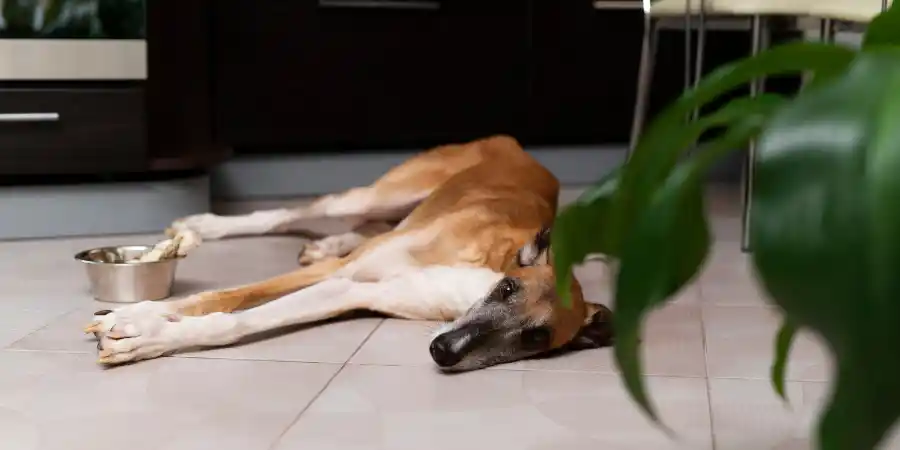
A dog not eating can be a sign of health problems like stomach issues, dental pain, kidney or liver disease, arthritis, or infections. Loss of appetite in dogs may also be caused by medications or aging-related cognitive decline. Digestive problems, injuries, and serious illnesses can make eating uncomfortable. If your dog stops eating, it is important to check for these possible causes and consult a vet.
Other possible causes :
.Medical
Some medical conditions that could cause anorexia or hyporexia in dogs include:
- Obstruction of the Gastrointestinal tract– when a foreign object such as a toy ball got stuck in my dog’s stomach, and it stopped him from eating.
- Gastrointestinal disease— like parvovirus, dietary indiscretion causing stomach upset, inflammatory bowel IBD, ulcers, or constipation can quickly affect appetite.
- Organ dysfunction and systemic illness— such as kidney failure, diabetic ketoacidosis DKA, liver disease, hepatitis, or pancreatitis need fast care.
- Dental disease — periodontal issues, or fractured teeth can make eating uncomfortable.
- Tumors or Cancer— form masses specifically related to the gastrointestinal tract, mouth, back, throat, stomach, or intestines, like lymphoma, and however any type in dogs can negatively affect a pup’s appetite.
- Orthopedic— issues like arthritis makes it difficult for a dog to lower the head to the food bowl, while hip dysplasia can cause pain when dogs walk.
- Medications/ Toxins— have many side effects, either over the counter OTC or prescribed, that lead to decreased appetite
Behavioural
Like humans, dogs also experience phobias and emotions. Behavioral causes for decreased appetite may include:
- Stress
- Fear
- Anxiety, including generalized anxiety and separation anxiety
- Phobias
- Cognitive decline in senior dogs
For severe behavioral concerns that affect your dog’s eating, contact your vet. For some dogs, medications like fluoxetine or trazodone may be necessary to help manage their condition.
you can support your pet by:
- Avoid any obvious trigger for their anxiety
- provide a safe space,such as a comfortable but private room or crate(if before they are accustomed to)when visitors are present.
- Use calming pheromones
- Ensure he’s getting plenty of exercise
- Supplying toys or activities that provide mental stimulation like food puzzles and nose work
- Introduce them to new pets and children slowly .
- Reduce the moment of food and water bowls .
Environmental Changes
Environmental changes play an important role in your pets emotional well being .Changes to the home environment can cause anxiety and stress.which in turn affect appetite. This includes:
- Moving to a new home
- Add a new pet or child
- Having house guests
- Construction in the home
- Rearrange the furniture
- Moving food and water bowls
Age
Healthy senior dogs need low calories than young pups ,so you may notice a little decrease in appetite as your dog get older.
Age is not a reason for a dog to become anorexic. A significant change in senior dog’s appetite is a reason to contact your veterinarian.
When supporting your senior dog’s appetite at home, consider:
- Use a raised food bowl if he’s having trouble reaching the food
- Place a nonslip mat around the bowls to avoid falls
- Offer softer foods so he can easily chew
- Feed at scheduled times to help with cognitive decline
Problems With Your Dog’s Food
If you give your dog same food daily and now shows no interest in it,make sure to check the following:
- Did you get the right flavor?
- Is the food moldy or expired?
- Is the food wet?
Over time, I learned that any change in a dog’s diet should be done gradually over several days to weeks to avoid upsetting the stomach and decreasing appetite.
I always double check that my dog isn’t being fed by anyone else in the home, because small habits can lead to big problems.
I also stay sure my pup isn’t eating many treats, human food, or snacks that include extra meals, which can make him full and hold out on his regular diet.
As a rule, dog treats should make up no more than 10% of your pup’s calories, so I never give too much.
I remind myself that he may skip food as his body adjusts, which is normal for a short time, or when routines change.
How To Get a Dog To Eat
A few things that you can do with your dog to motivate your dog to eat includes:
- Warming the food
- Offering a more palatable or different flavor of food
- Adding a food topper
- Offering for a short term boiled rice and chicken (without spices or seasonings)
- Hand feed
- Top his food with low-sodium broth
Treats can also be enticing and may help coax your dog to eat.
conclusion:
A dog not eating is never something to ignore, as appetite changes often reflect health, behavior, environment, or diet issues. By watching eating habits closely, addressing problems early, and making thoughtful adjustments at home, you can often prevent small concerns from becoming serious. When appetite loss lasts or comes with other symptoms, timely veterinary care is the safest way to protect your dog’s well-being. With patience, awareness, and the right support, most dogs regain a healthy appetite and routine.
At mydogwell.com, we keep things simple. No complicated terms, no confusing information—just practical advice to help you understand your dog better and keep them healthy.
FAQ,s
What to do if my dog is refusing to eat?
1.Cutting back on treats
2.Feeding on a regular schedule, usually twice a day.
3.Make meal time a fun time for your pets ,such as playing with a toy.
4.Take your dog for a walk before mealtime.
When should I worry if my dog is not eating?
When I observe persistent changes in my dog’s appetite or see worrisome symptoms like vomiting or swelling in the mouth, I know it is crucial to seek emergency medical attention, because it is always important, even if there are no other signs, especially when my dog skips two or more meals.
What is the most common cause of loss of appetite in dogs?
Gastrointestinal problems:Conditions that impact digestion are among the most common causes of dog appetite loss. An upset tummy, constipation, inflammatory bowel disease, or an obstruction caused by the ingestion of a foreign object are possible causes of a dog not eating.
How long should a dog not eat before being concerned?
You should be concerned and contact your vet if your dog is not eating in 24-48 hours, especially if they are also not drinking water. Most dogs can go 3-5 days without eating, but quickly become dehydrated. Puppies, senior dogs, or dogs with conditions like diabetes need urgent vet attention much sooner (within hours) if they stop eating.
What is a silent killer in dogs?
Heart worm Disease: is among the top silent killers of dogs and cats, and it’s a slow and insidious disease which gradually incapacitates them. By the time pet owners notice the giveaway signs of this disease, serious damage may already have been caused.