
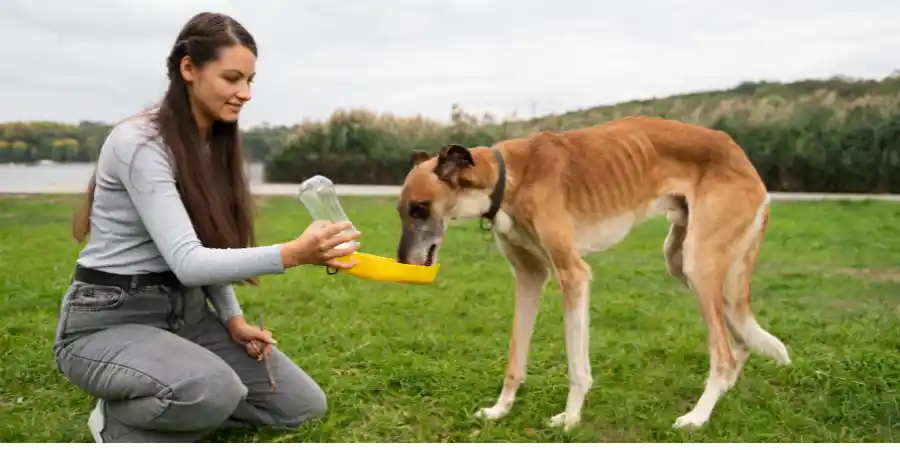
As a pet owner , sometimes I see my dog is drinking a lot of water. I always know that watching my dog every day helps me notice small changes in drinking and water habits, because many things like weather, exercise, diet, and daily routine can influence how much my pet drinks normally. Sometimes excessive thirst, also called polydipsia, goes unnoticed, but it can be a sign that something is wrong with their medical conditions, so early diagnosis makes treatment simpler, less invasive, and more important for long-term health. I have learned that keeping track of every lot of water intake helps me spot problems early, support recovery, and protect my dog from serious illness.
Why is my dog drinking so much water?
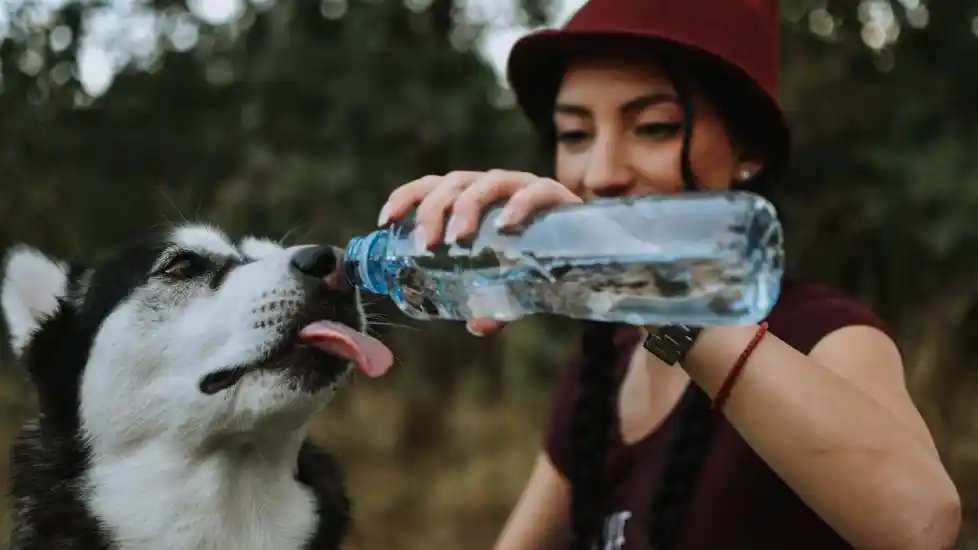
From my experience with dogs, I learned that Excessive thirst or polydipsia is often caused by underlying health conditions like diabetes, kidney disease, Cushing’s, infections, or UTIs.Other causes may include medication side effects such as steroids or diuretics, high salt diets, dehydration, or increased activity, so if this problem lasts more than 1 to 2 days, for eg, you notice your pet drinking a lot of water or showing increased thirst, you should consult a vet, because these conditions often need early care and proper treatment to avoid serious health risks.
Key Takeaways
- Many health conditions can lead a dog to drink a lot of water.
- If your dog is drinking a lot of water, this may lead to additional symptoms like excessive peeing.
- Never deprive your dog of water unless specifically directed by your veterinarian.
How Much Water Should a Dog Drink Daily?
From my experience, water intake in a dog follows a basic guideline of about one ounce per pound of body weight. So for example, a 10-pound pet should drink around ten ounces a day.
Puppies, very active, nursing dogs, and pets in warm climates often need more than this general rule, while some may need less than normal if they eat canned food that contains moisture.
No matter how much they seem to drink daily, you should NEVER deprive them of access at all times, even overnight.Because a sudden increase, a lot of drinking, or going out often may mean your veterinarian needs to be directed to check for deprivation, dehydration, electrolyte imbalances, kidney malfunction, or other issues, and every dog that lives in your care should have clean water also, about the same way you would care for yourself, since small changes can mean needing attention sooner than later.
How to Determine How Much Your Dog Drinks Daily
To understand how much water your dog is drinking, I always fill the bowl to the same level at the same time every day. Then measure in the morning what is left at the end, using measurements on the side if available.
Because bowls can spill, get tipped over, and be affected by pets, young children, or activity in the house.
If you have multiple microchipped pets, separate bowls that open to specific microchips make it easier to isolate one pet’s daily intake, and this helps you notice if your dog drinks a lot more than usual, starts needing to go out to pee often, or if something tends to get missed, so you can make an appointment to see the vet.
From my experience, when you put in the effort and want to track habits, this method also works well, because there is only one clear way to know how much your dog drinks: check it every day and compare it over time. If anything changes, then act early. So that any problem can be caught before it grows, by paying attention to details in the routine, on purpose, as part of caring for your pet, with patience, at home, and not waiting but responding quickly.
Why Is My Dog Drinking So Much Water?
There are many factors that affect how much water a dog drinks throughout the day. There are also many medical reasons dogs can have excessive thirst. Here’s a list of possible causes for drinking more water than usual.
Canned Food Diet
Canned food contains more water than dry foods . So dogs that eat canned food can drink less water. Because they can take a portion of their water intake from their food.
Age
Puppies often require more water because their kidneys don’t concentrate urine as well, which leads to increased urination, and they tend to be very active and lose water through vomiting or diarrhea, while geriatric dogs may drink less water due to cognitive dysfunction or medical issues, also affected by age-related changes, or other health conditions that influence hydration.
Medications
Certain medications can cause increased thirst and urination in dogs, and these include diuretics like furosemide or torsemide, anti-seizure drugs such as phenobarbital, and corticosteroids like prednisone, so if your dog suddenly drinks more water than usual, it’s important to check with your vet and review all such medications carefully.
Hot Climates
Dogs that live in warm areas can become hydrated more easily .That can increase their water intake requirements .
Frequent Exercise or Increased Activity
Active dogs who exercise frequently require more water to hydrate themselves, and puppies might drink more than adult dogs due to higher activity levels, so monitoring their intake helps ensure they stay healthy and prevent dehydration.
Health Conditions
Certain medical issues can lead to excessive thirst. The most common reasons include:
.Electrolyte Imbalances
Sometimes Sodium or Salt Imbalances in your dog’s body can lead to Increased Thirst and Urination, because Sodium naturally draws Water toward it, and the Kidneys may not Hold or Store it Appropriately if there is an imbalance with Potassium. High-sodium Meals, Certain Toxins, and Other Medical Conditions can also Cause Electrolyte Issues, which make your dog drink more than usual.
It’s important to Notice signs like Vomiting, Diarrhea, Lethargy, Not Eating, Weakness, or Neurologic Signs such as Circling, Falling Over, Ataxia, or Seizures, and immediately Take your Dog to the Vet if any of these occur, because addressing Sodium, Salt, and related Imbalances early can prevent serious health problems.
.Dehydration
When your dog experiences heat, exercise, or illness, it can lead to dehydration and trigger water-seeking behavior, so always watch for signs like lethargy, tacky gums, ropy saliva, bright red gums, excessive panting, or skin tenting. Severe dehydration can be harmful or even fatal, so it’s important to get your dog to a veterinarian immediately if you see these symptoms.
. Vomiting or Diarrhea
If you notice your dog seems to drink more water than usual, this can lead to dehydration, causing potential issues such as vomiting or regurgitation. Sometimes, gastrointestinal signs appear frequent, severe, or persistent, so it’s important to seek veterinary care promptly. Even if your dog drinks too much once, monitoring their health and contacting a professional ensures you catch problems early and keep your pet safe.
.Hyperthermia or Fever
When your dog has an elevated body temperature, it can cause increased thirst due to infection, inflammation, pain, immune-mediated disease, toxin ingestion, excessive exercise, or heat stroke. In these cases, your pet may pant excessively, seem very lethargic, or show significant rope-like saliva and cherry-red gums, which are warning signs that something is wrong.
It’s important to take them to a veterinarian soon for evaluation because early intervention can prevent serious complications and ensure your dog stays safe and healthy. Monitoring these symptoms closely helps you understand whether the increased thirst is normal or a signal of a disease that needs attention.
. Kidney Failure
When a dog suffers from kidney or renal failure, it is a chronic, progressive condition where the inability of the kidneys to efficiently filter waste products and toxins from the bloodstream causes them to draw excess water, which can lead to increased urination, dehydration, and higher intake of water. The severity of kidney failure ranges depending on how advanced it is, and in early stages, only monitoring and diet change may be needed.
In more severe cases, hospitalization may be required to manage the condition, support kidneys, and reduce the risk of complications, ensuring the dog stays safe while controlling urination, maintaining hydration, and limiting the effects of toxins in the bloodstream.
.Diabetes Mellitus
When a dog has diabetes, the disease affects the pancreas and reduces its ability to produce insulin, or the body stops responding to the insulin properly. This rise in blood sugar (glucose) levels forces the body to eliminate excessive glucose through urine, which draws water along, causing increased thirst and frequent urination. These are often the first clinical signs noted by dog owners.
If you see additional symptoms like lethargy, decreased appetite, weakness, abnormal smell in the breath (ketotic breath), or vomiting/diarrhea, you should seek immediate veterinarian care. Untreated diabetes mellitus can lead to a potentially fatal condition called diabetic ketoacidosis, so early detection and proper management are crucial for your dog’s health.
.Diabetes Insipidus
Diabetes insipidus is a rare condition in dogs that is causing excessive thirst and large amounts of urine. Despite drinking plenty of water, these dogs can often become dehydrated from the urine they are producing, which can be frustrating for owners. This condition does not require immediate medical therapy, but it is important to see a vet to determine the cause of the increased urination.
Since you won’t be able to tell the difference between the types, your veterinarian can assess the condition and decide the best approach. Dogs with this condition may need monitoring and guidance to manage urination, thirst, and hydration, ensuring they stay safe and comfortable.
. Cushing’s Disease
Hyperadrenocorticism, also known as Cushing’s disease, is a condition caused by the overproduction of cortisol, a stress hormone, and steroids from the adrenal glands, which causes increased thirst and urination in dogs. Other clinical signs include a pot-belly appearance, panting, thin skin, hair loss, and increased hunger, which are often diagnosed by the presence of symptoms.
Even though Cushing’s disease does not require immediate medical therapy in some cases, it’s important to see a veterinarian if your dog shows persistent thirst or urination, so the cause can be properly determined and managed.
.Pyometra
A life-threatening condition called pyometra can occur in female dogs that are not spayed, where infection in the uterus allows bacterial toxins to be released into the bloodstream, affecting the kidney’s ability to hold urine, which leads to increased urination. Many dogs drink more water to compensate for this increase, and owners often notice changes in appetite, lethargy, fever, vomiting, or pus originating from the vulva.
Pyometra can be fatal if left untreated, as the infection may spread throughout the body, leading to sepsis. Recognizing other symptoms such as vomiting, lethargy, and abnormal urination is important, and immediate veterinary care is crucial to address this life-threatening condition before it worsens.
.Liver Infection
A bacterial infection of the liver, most commonly caused by Leptospirosis, leads to increased urine production and thirst in dogs. If left untreated, this condition can be fatal, as the infection is passed through rodent urine and found in stagnant water, puddles, or ponds. Dogs drinking a lot of water, or recently swimming in rain puddles, may be at risk if they are not up to date on their Leptospirosis vaccination.
It is possible to protect your dog with a vaccine, so always get a veterinarian to perform testing and treatment promptly. Acting quickly ensures your dog stays safe while preventing further urine production and increased thirst, keeping them healthy and comfortable.
conclusion
Consistently monitoring your dog’s water intake and urination is key to spotting potential health issues early. Excessive thirst can signal conditions ranging from kidney or liver problems to diabetes or infections, and timely veterinary care can prevent serious complications. Understanding the underlying causes helps ensure your dog stays healthy, comfortable, and well-hydrated.
FAQs
Should I be concerned if my dog is drinking a lot of water?
Yes,you need to be concerned and need to contact your vet if your dog is drinking more water than usual,especially if this lasts for several days.
Why is my dog suddenly so thirsty?
A sudden or sustained increase in your dog’s water consumption can be worrying because polydipsia often indicates an underlying medical condition. Common causes include diabetes, kidney disease, Cushing’s, or a urinary tract infection, but it can also be caused by medication side effects, diet changes, increased heat/activity, or stress. From my experience as a pet owner, noticing these changes early and keeping a record of your dog’s water intake helps veterinarians determine the cause faster and start proper care immediately.
What is considered excessive drinking in dogs?
Excessive drinking in dogs, also known as polydipsia, is medically defined as over 100ml of water per kilogram (kg) of body weight per day, though suspicion arises at 50ml/kg/day. This is a sign of underlying issues like diabetes, kidney disease, or Cushing’s, and factors such as diet (dry food), medication, heat, or exercise can increase intake. Careful monitoring, consulting a vet for persistent changes is crucial because this behavior often signals a serious health problem.
When a dog is dying, do they drink a lot of water?
As dogs reach the final stages of life, their increased thirst may stem from underlying illness, but most generally stop or significantly reduce their water intake as they are dying. Their body and organs, especially kidneys and liver, shut down, causing them to typically lose interest in food and often experiencing dehydration during their final days, which is a natural progression and a sign to provide comfort and support.
What are the first signs of kidney failure in dogs?In my experience, one of the early signs that dogs may be facing kidney failure is when you notice changes in drinking and urination, such as drinking more or urinating more often, which can potentially lead to accidents. You may also notice decreased appetite, weight loss, lethargy, or vomiting as toxins build and kidneys struggle to filter waste. Changes in breath, like ammonia smell, or pale gums can further signal problems, and observing these signs early can help you act before the condition worsens.