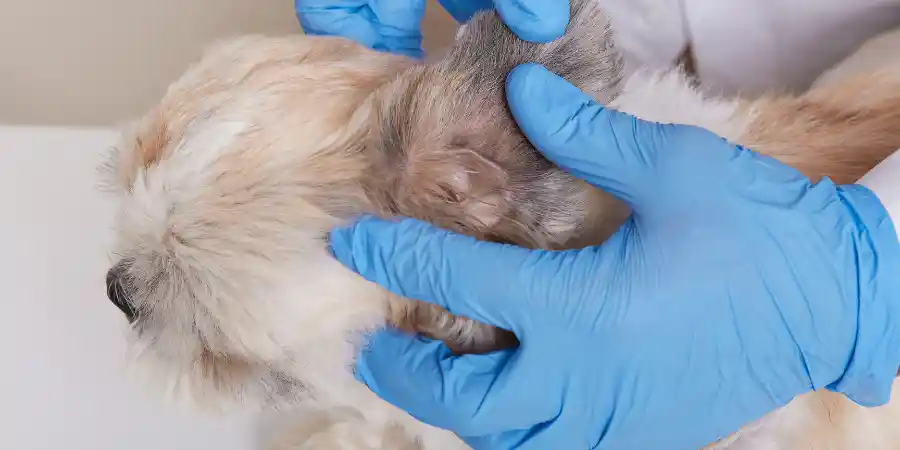
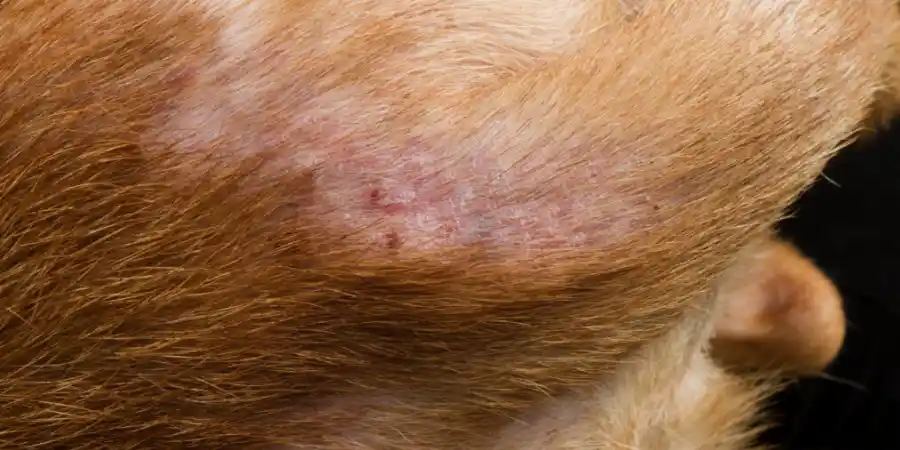
Fleas are a common problem for dogs, and their bites can cause significant discomfort. Knowing what a flea bite looks like on a dog is important for proper care of your pet, so you can identify pesky parasites, treat them before things get worse, and keep your dog safe. This blog will provide practical tips to help every pet owner manage these tiny intruders effectively.
What Does A Flea Bite Look Like On a Dog?
Flea bites on dogs typically appear as small, red, raised dots or bumps, often found in clusters around the tail, base, belly, groin, and inner thighs, sometimes with a faint halo. Due to intense itching, these bites can lead to scabs, hair loss, and patchy, inflamed, or infected skin, especially in allergic dogs, making it important to identify fleabites early.
Identifying Flea Bites on Your Dog
Flea bites on dogs typically appear as small, red, raised bumps and often form clusters in the same area. Fleas can tend to bite multiple times, so you might find them in common areas like the base of the tail, belly, groin, or armpits, where they can easily access the dog’s skin and feed.
Common Symptoms of Flea Bites
When a flea bites your dogs, it injects saliva into the skin, causing irritation and intense itching. Some dogs may scratch or bite at the affected areas, leading to redness, swelling, hair loss, and scabs. In allergic cases, flea allergy dermatitis develops, resulting in more severe symptoms like infections and prolonged reactions.
Check for Flea Dirt
Another way to identify a flea infestation is to check for flea dirt, which consist of digested blood and appears as tiny, black specks, similar to coffee grounds, on your dog’s skin and coat. Run a fine-toothed comb through your dog’s fur and tap it on a paper towel; if the specks turn red when wet, it’s likely flea feces that you actually see.
How Flea Bites Affect Your Dog’s Health
Flea bites can also lead to serious health issues in dogs, especially puppies or senior dogs with underlying conditions. Constant scratching and biting at bites can cause open sores, secondary infections, and anemia, as fleas feed on your dog’s blood. Additionally, fleas can transmit tapeworms if your dog ingests a flea while grooming, so treat and take time to manage them properly.
Flea Allergy Dermatitis
Some dogs may experience flea allergy dermatitis (FAD), which is a hypersensitivity to saliva from even a single bite. This condition has severe itching, scratching, hair loss, and skin discomfort, and leads to excessive irritation. If you suspect your dog has FAD, seek care to alleviate, manage, and protect your dog’s own skin.
Preventing Flea Bites on Your Dog
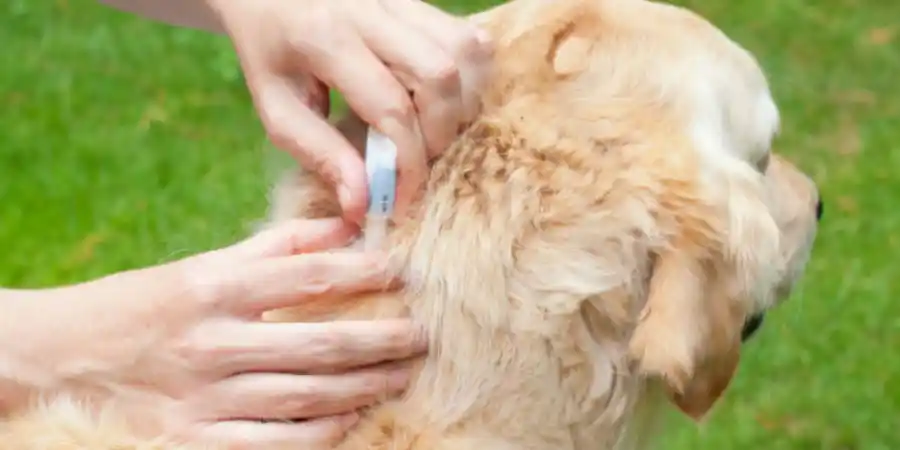
Preventing flea bites is essential for keeping your dog healthy and comfortable, and regular grooming and checking your dog for fleas can help catch an infestation early. Using prevention products, such as topical treatments, oral medications, and collars provides long-term protection against fleas, making it important to choose a method that suits your dog’s needs and lifestyle.
Keeping Your Home Flea-Free
Keeping your dog safe means treating infestations and maintaining a flea-free home and yard. In addition, vacuum regularly in all areas your dog spends time, and wash bedding in hot water weekly to kill fleas and eggs.
You can also use sprays or foggers for your home and yard to eliminate fleas and prevent re-infestation, keeping your dog healthy and comfortable.
When to Call Vet
If your dog shows signs of severe itching, hair loss, or skin infections, it’s time to seek veterinary help. A skilled veterinarian can provide effective treatments to eliminate fleas and address any complications from flea bites. In some cases, your vet may recommend allergy testing to determine if your dog has FAD or other conditions, ensuring your dog stays comfortable and healthy.
Professional Flea Treatments
Experienced veterinarians often recommend professional-grade flea treatments that are more effective than over-the-counter options. These solutions quickly eliminate fleas and provide lasting relief for your dog.
Additional Care Tips
Additionally, your vet can prescribe medications to soothe irritated skin and prevent secondary infections, ensuring your dog stays healthy and comfortable while dealing with fleas.
Conclusion:
Flea bites are small, intensely itchy red bumps caused by tiny, wingless parasites that feed on human and animal blood. They typically appear on the ankles and legs in clusters of three or more, often forming a straight line, and develop within minutes to hours of being bitten.
At mydogwell.com, we keep things simple. No complicated terms, no confusing information—just practical advice to help you understand your dog better and keep them healthy.
Use our tools :
- https://mydogwell.com/pet-age-calculator/
- https://mydogwell.com/get-your-dog-care-plan/
- https://mydogwell.com/pet-water-intake-calculator/
- https://mydogwell.com/emergency-drug-calculator-for-dogs-cats/
FAQ’s
How to tell if a dog has flea bites?
When you notice your dog constantly scratching, biting, or licking certain areas, it’s usually a sign of flea bites. From my experience, the spots most affected are the base of the tail, belly, groin, neck, and inner thighs, where the skin often turns red and bumpy. Sometimes, scabs or hot spots form from excessive irritation, making these areas uncomfortable for your furry friend.
What kills fleas instantly on a dog?
When dealing with fleas on dogs, I’ve found that using fast-acting oral treatments like Capstar (nitenpyram) really helps, as it starts working within 30 minutes. Giving your dog a bath with medicated flea shampoo kills fleas on contact, while an electric comb zaps fleas instantly without harsh chemicals. Regular combs with hot, soapy water can drown removed fleas, but always remember that long-term preventative treatments are often required for lasting control.
What does a flea spot look like on a dog?
Flea bites can cause itchy red bumps on the skin, usually around the ankles or even on the legs if you’ve got a dog that likes to sit close to you.
Where do dogs bite if they have fleas?
From my experience, when a dog has flea bites, you often see small, red bumps on the skin, especially around the neck, back, legs, and base of the tail. The spots can get itchy, making your pet biting at the hind end or groin, which may cause self-harm. These common areas can show irritation anywhere on the body, so early attention is key.
What do flea sores look like on dogs?
The skin on the belly, groin, or base of the tail is frequently affected by flea bites, which can look like a red and bumpy rash on dogs.
⚠️ MEDICAL DISCLAIMER: This article is for
informational purposes only. MyDogWell.com is not
operated by licensed veterinarians. Always consult
with a licensed veterinarian before making any
health decisions for your dog.
[Read Full Medical Disclaimer]: https://mydogwell.com/medical-disclaimer/