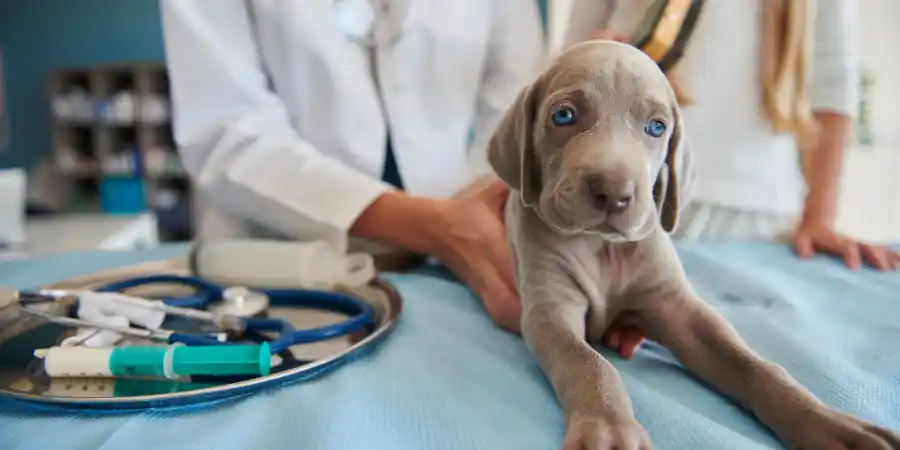
From my experience with dogs, knowing how to tell if your dog is sick often starts when the first clue often appears in their behavior and daily routine.
Owners should pay close attention to subtle changes like reduced appetite, dull energy levels, or a tired appearance, because these small differences may indicate something wrong with their health.
When a dog sick situation develops, pets may hide, seem not feeling well, or show other common signs that signal possible illness in dogs.
Sometimes people start wondering if something off is happening when their pet acts differently. The key is learning to know when something is wrong by observing daily habits and how your pet reacts.
If these signs continue or feel challenging to understand, respond quickly and schedule a veterinary visit when needed, because early care helps protect your dog’s health.
How to Tell if Your Dog is Sick
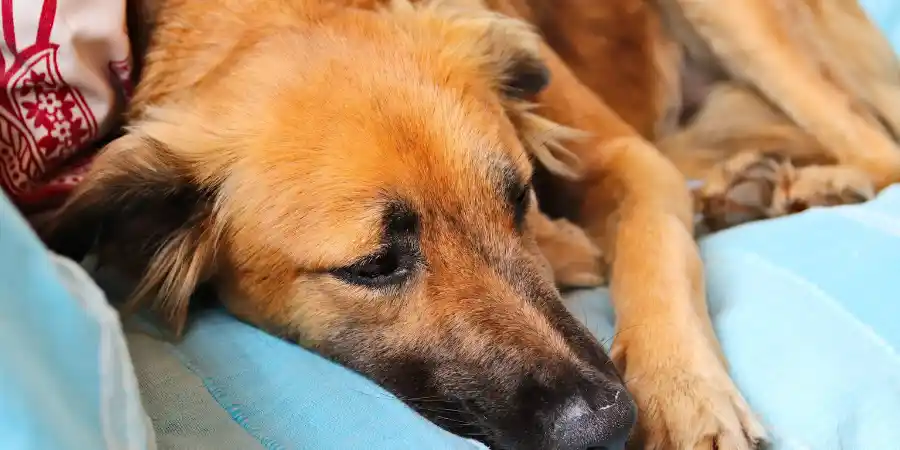
Because dogs instinctively hide their discomfort, spotting illness requires looking for subtle behavioral and physical changes. The most common warning signs include sudden lethargy, a lack of appetite for more than 24 hours, vomiting or diarrhea, and changes in breathing or bathroom habits.
From what I have seen with many pets, the first step to tell if your dog’s sick situation is serious is to watch daily habits closely. Sudden behavioral changes like hiding, irritability, or lethargy, along with appetite changes such as not eating or drinking more, can act as early key indicators that your pet may be developing health symptoms.
I often advise owners to also check for physical symptoms like vomiting, diarrhea, coughing, excessive scratching, pale gums, unusual odors, or trouble breathing, because these signs can indicate illness when they last over 24 hours.
In those moments, it is safest to contact a vet or contact a vet quickly so your dog receives proper care.
Recognizing the Subtle Signs of Illness
Dogs’ early discomfort rarely shows in obvious ways, so I advise owners to notice subtle changes like when a pet may appear quieter, eat less food, or avoid activities they normally enjoy.
These earliest indicators often point to a developing health problem, which is why understanding daily habits helps you quickly tell if your dog is sick.
The best habit I recommend is knowing what feels normal for your pet, because every dog has a unique personality and daily routine.
When small shifts from these norms appear, they often signal illness, and careful observation of your dog’s behavior makes early action much easier.
Behaviour Changes to Watch For
Some behavioral changes that may cause sickness include:
- Becoming more withdrawn.
- Hiding from family members.
- Showing sudden irritability.
- Showing aggression when usually calm.
- Sleeping much more or less than normal.
- Losing interest in playing, walking, or interacting with people.
- Clinginess or excessive restlessness.
If you notice these things in your dog , it may be a sign your dog is not feeling well.
Physical Symptoms That Indicate a Problem
Physical changes that often show the clearest clues for how to tell if your dog is sick. Monitoring your dog’s body condition regularly can help you identify concerns early.
Appetite and Weight Changes
When a dog suddenly refuses meals or seems hungrier than usual, I usually see it as a possible warning sign of an underlying issue. I also advise owners to watch closely for sudden weight loss or gradual weight loss, because these changes often mean the pet may need a veterinary evaluation.
Digestive Issues
When a dog experiences vomiting, diarrhea, or constipation more than occasionally, these frequent episodes can indicate illness.
I also tell owners to watch for changes in stool color, stool odor, or stool consistency, as these signs warrant attention and may require a vet check.
Breathing and Coughing
A dog showing difficulty breathing, persistent coughing, or wheezing, I always advise that these signs be taken seriously.
Since a dog’s respiratory system supports exercise and play, any problems can quickly affect well-being, so close observation and timely action are essential.
Coat and Skin Condition
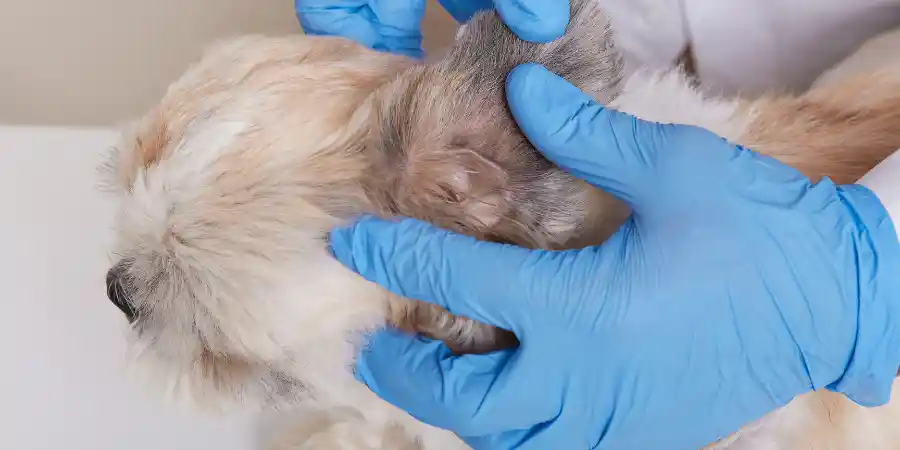
When I check a dog, a dull coat, hair loss, excessive scratching, or unusual bumps on the skin often signal infection, allergies, or other medical concerns.
Maintaining healthy skin and shiny fur is one of the clearest indicators of your pet’s overall health.
How to Tell if Your Dog is Sick Through Eating and Drinking Habits
When I check a dog, a dull coat, hair loss, excessive scratching, or unusual bumps on the skin often signal infection, allergies, or other medical concerns. Maintaining healthy skin and shiny fur is one of the clearest indicators of your pet’s overall health.
Loss of Appetite
In my experience, skipping one meal is usually not alarming, but refusing food for more than a day often means something is wrong. Many illnesses, including dental problems and digestive issues, can reduce appetite, and changes in feeding behavior may point to appetite loss or a dog health warning.
Increased or Decreased Thirst
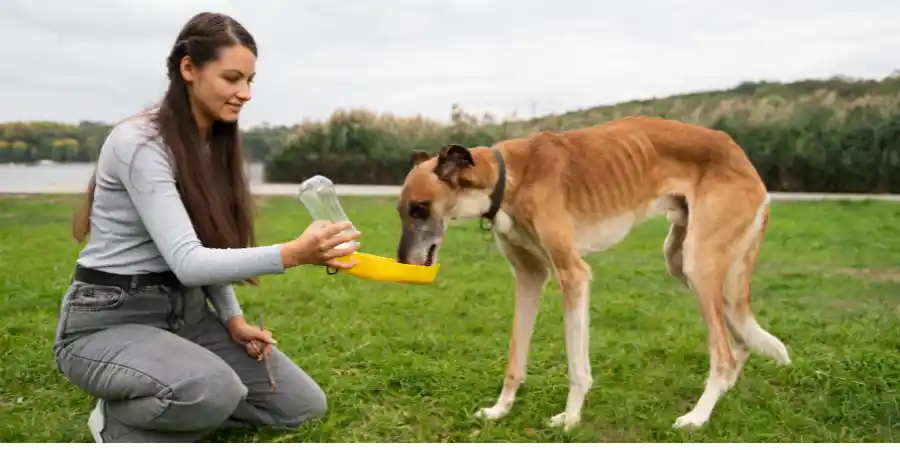
Water intake changes are easy to miss unless you watch closely. If your pet starts drinking much more water or drinking much less water than their usual water intake, it may indicate conditions like diabetes, kidney disease, or infection, so I recommend monitoring the dog’s water bowl with daily observation to spot changes early.
Sudden Weight Gain
Most people notice weight loss quickly, but in my experience unexpected weight gain without increased food intake can be just as concerning. These dog health changes may signal health problems such as thyroid disease, so watching your dog’s body condition closely helps catch issues early.
Energy Levels and Mobility Changes
From my experience, knowing how to tell if your dog is sick often starts with paying attention to how active your dogs are each day. When pets feel unwell, they show noticeable differences in energy levels and small behavior changes, which can reveal early health concerns.
Lethargy
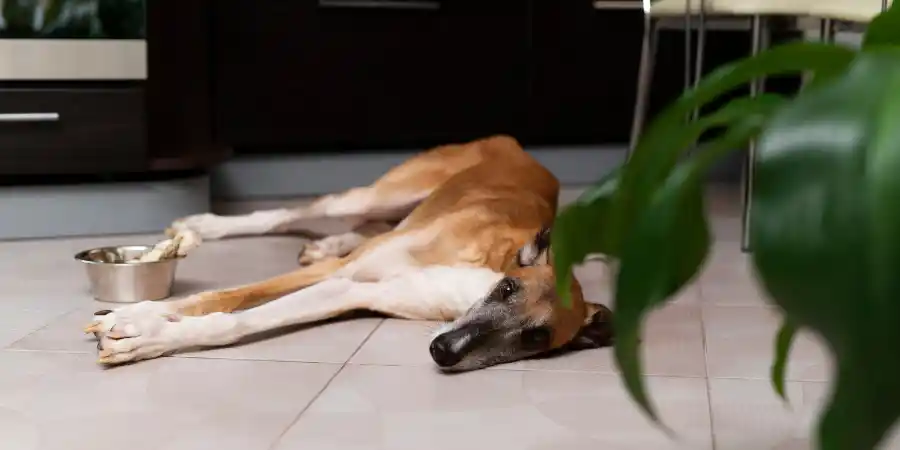
When a dog becomes unusually tired, sluggish, or unwilling to move around, I often see it as a sign of illness. Although dogs naturally rest a lot, extreme lethargy is different from normal relaxation and usually appears with a clear behavior change.
Stiffness and Lameness
In my experience, sudden limping, difficulty standing, or reluctance to climb stairs often point to joint pain, injury, or even a deeper illness.
I also remind owners that younger dogs can develop orthopedic problems or neurological problems that affect movement, so any change in mobility deserves attention.
Digestive and Elimination Changes
Another reliable way to evaluate how to tell if your dog is sick is by watching for unusual elimination habits.
Vomiting and Diarrhea
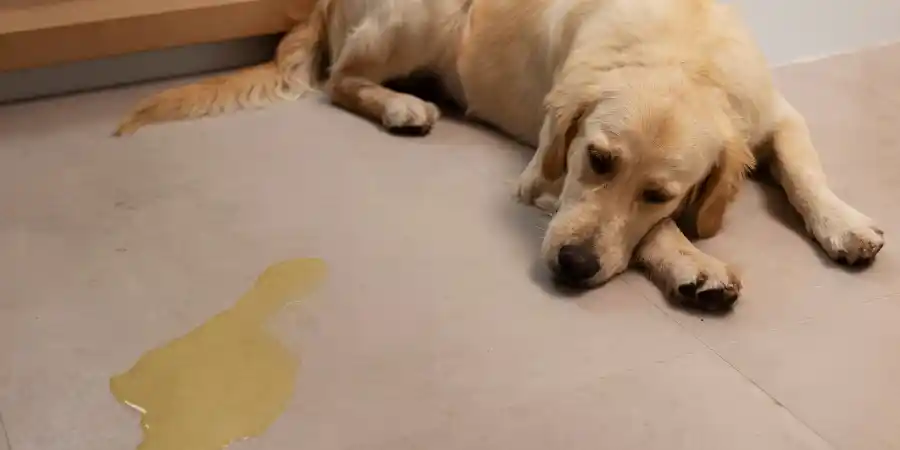
From my experience, an occasional upset stomach in dogs can happen, but repeated vomiting or repeated diarrhea becomes concerning and may point to digestive problem signs. If you ever notice blood in vomit or blood in stool, seek veterinarian attention right away.
Constipation and Straining
If your dog struggles to pass stool, or if bowel movements are infrequent and difficult, this may suggest an underlying condition.
Urinary Issues
Frequent urination, accidents in the house, straining to urinate, or blood in the urine are red flags that something may be wrong.
Signs of Pain in Dogs
Dogs cannot verbally explain when they are in pain, but their body language often reveals it. Recognizing these cues is essential in learning how to tell if your dog is sick.
Common Pain Indicators
- Whimpering or whining without a clear reason.
- Reluctance to be touched in certain areas.
- Shaking, trembling, or panting even at rest.
- Avoiding stairs, jumping, or regular activities.
- Changes in posture, such as a hunched back.
Pain may result from injury, illness, or chronic conditions like arthritis. Early detection allows your veterinarian to provide relief and treatment.
When to Contact Your Veterinarian
Small changes in a dog’s health can sometimes be temporary health changes, but they may also signal serious medical conditions. Knowing how to tell if your dog is sick comes from recognizing symptoms and other dog illness signs, so you can decide when professional care is needed becomes important.
Urgent Symptoms to Watch For
- Difficulty breathing or excessive panting.
- Collapsing or loss of consciousness.
- Severe or repeated vomiting and diarrhea.
- Refusal to eat or drink for more than 24 hours.
- Seizures or sudden loss of coordination.
Building Awareness for Your Dog’s Health
As a pet owner, I believe learning how to tell if your dog is sick is one of the most valuable skills you can build. By observing your dog’s behavior, appetite, energy, and physical condition, you can recognize potential issues and any change that might lead to serious problems.
From experience, noticing early and addressing issues with veterinarian help protects pet health and often leads to a longer life and healthier life for your companion.
Signs Your Pet is Sick
In my experience, a sick pet may show obvious symptoms like repeated vomiting, diarrhea, lethargy, or refusal to eat, which are often surefire indications that something isn’t right.
Yet animals rely on self-preservation instincts, sometimes masking signs of illness, injury, or disease until they progress to critical places.
For pet owners, recognizing subtle signs and other illness signs becomes an invaluable detection skill for catching problems early and acting quickly. In practice, recognizing sickness in dogs often depends on noticing less-than-obvious ways that your pet’s condition changes.
- 1.Noting changes in eating habits and food preferences
- 2.Paying attention to deviations in bathroom habits
- 3.Catching behavior quirks such as hiding or sleeping more
- 4.Noticing new discharge from eyes or nose
- 5.Catching noisier or faster breathing, especially at rest
- 6.Limping or other mobility changes
- 7.Making a note of increased or decreased drinking
- 8.Changes in how the eyes look
- 9.Differences in the color of your pet’s gums and other mucous membranes
Use our tools :
- https://mydogwell.com/pet-age-calculator/
- https://mydogwell.com/get-your-dog-care-plan/
- https://mydogwell.com/pet-water-intake-calculator/
- https://mydogwell.com/emergency-drug-calculator-for-dogs-cats/
At mydogwell.com, we keep things simple. No complicated terms, no confusing information—just practical advice to help you understand your dog better and keep them healthy.
FAQ’s
How can you tell if your dog is unwell?
Here’s how to recognise when your dog or cat might need a trip to the vet:
- Changes in appetite or drinking habits.
- Behavioural changes.
- Vomiting or diarrhoea.
- Breathing issues.
- Poor coat condition or itching.
- Changes in weight.
- Lumps, bumps and swellings.
- Bad breath or dental problems.
What is the 3-3-3 rule for dogs?
When helping dogs settle in, I follow the 3-3-3 rule, a guideline for rescue dogs adjusting to a new home: the first 3 days to decompress and feel overwhelmed, the next 3 weeks to learn routine and start showing personality, and 3 months to feel at home, build trust, and feel secure as a permanent family member.
Using patience, maintaining routine and consistency, and understanding dog transition timelines that vary for each dog makes the adjustment smoother.
What is the 7 7 7 rule for dogs?
When raising dogs, I follow the 7-7-7 rule as a guideline for puppy socialization, giving exposure to 7 people, 7 locations, 7 surfaces, 7 objects, 7 toys, 7 sounds, 7 challenges, 7 food bowls, 7 water bowls, 7 car rides, and 7 crate experiences between 7-12 weeks old to build confidence, prevent fear, and promote adaptability.
Using positive introductions and controlled introductions within the critical learning window ensures puppies don’t get too old to develop well-adjusted adult dogs, while diversifying experiences, early exposure, and early development strengthen their social skills.
⚠️ MEDICAL DISCLAIMER: This article is for
informational purposes only. MyDogWell.com is not
operated by licensed veterinarians. Always consult
with a licensed veterinarian before making any
health decisions for your dog.
[Read Full Medical Disclaimer]:https://mydogwell.com/medical-disclaimer/