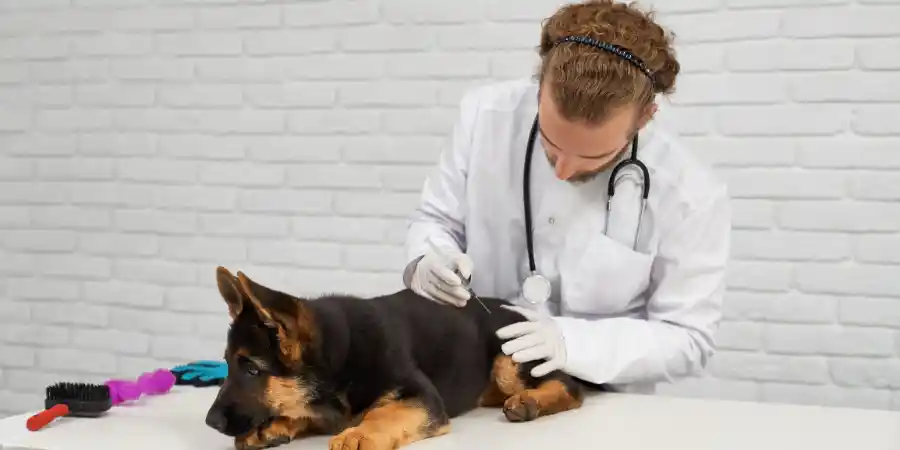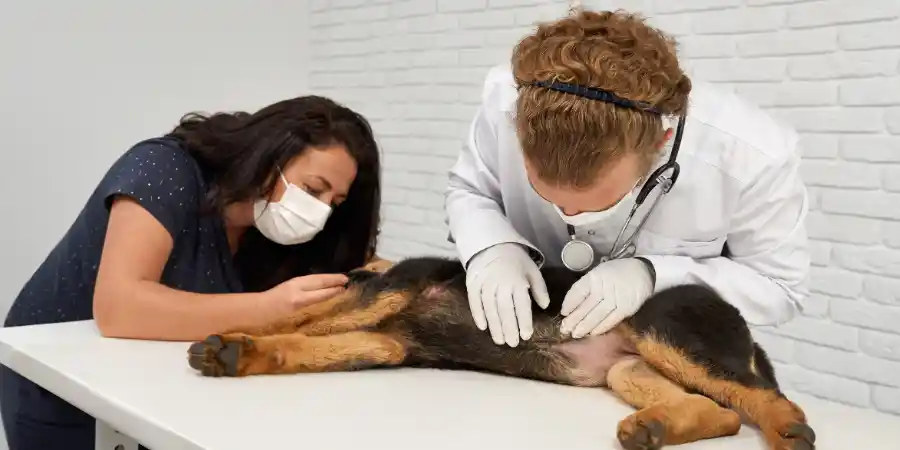
After taking my dog for his routine vaccinations yesterday, I’ve noticed he’s been sleeping almost the entire day today. I know vaccines can sometimes make pets feel a bit under the weather, but this level of tiredness seems unusual for him. Could this be a normal reaction to the vaccines, or should I be concerned about his lack of energy?
Why Is My Dog Sleeping So Much After Vaccination?
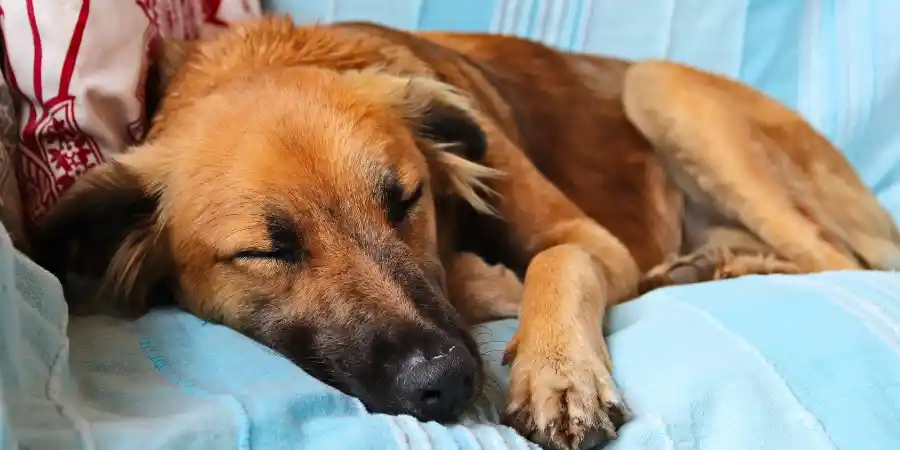
It is completely normal for a dog to sleep a lot after getting a vaccination, as their immune system is using energy to build protection.
It’s usually normal. Post-vaccination sleepiness is a common, temporary immune response. Most dogs return to normal within 24–48 hours.
Post vaccination symptoms: Increased sleep and tiredness are common after vaccination, as your dog’s body works to build an immune response, and these symptoms usually improve within a day or two.
Quick Summary
- Normal: Sleepiness, low energy, mild fever, reduced appetite
- Why it happens: The immune system is working and needs energy
- How long: Usually 1–2 days
- When to worry: Severe lethargy, swelling, vomiting, or symptoms lasting >48 hours
- What to do: Let your dog rest, keep them hydrated, monitor closely
What “Excessive Sleep” Actually Means
Post vaccine lethargy is a temporary drop in activity where a dog sleeps more than usual or avoids play, walks, or interaction.
Example:
- Normal: Sleeps 12–14 hours/day
- After vaccination: Sleeps 16–20 hours, avoids movement
This is not illness by default it’s often recovery.
Why Dogs Sleep More After Vaccination
Your dog is likely tired because their immune system is working hard to build defenses against the diseases they were vaccinated for. This natural response often results in mild lethargy, soreness, or a low-grade fever, which usually resolves within 24 to 48 hours.
1. Immune System Activation
Vaccines simulate infection to train the immune system.
What happens internally:
- White blood cells activate
- Antibodies start forming
- Inflammatory signals increase
Result:
The body diverts energy → less activity → more sleep
Simple analogy:
It’s like your dog is “running antivirus software” in the background.
2. Mild Fever and Inflammation
Some dogs develop a slight increase in body temperature.
Effects:
- Fatigue
- Reduced appetite
- Slower movement
Example:
Just like humans feel sleepy after a vaccine, dogs react similarly.
3. Stress From Vet Visit
The vet experience itself can be tiring.
Factors:
- Travel
- New environment
- Handling and restraint
Result:
Mental + physical exhaustion → increased sleep
4. Pain at Injection Site
The injection area may feel sore.
- Avoiding movement
- Not wanting to jump or play
- Sleeping more to avoid discomfort
How Long Does Post Vaccine Sleepiness Last?
| Time After Vaccination | Expected Behavior |
|---|---|
| 0–12 hours | Very sleepy, quiet |
| 12–24 hours | Low energy, less interest in play |
| 24–48 hours | Gradual return to normal |
| 48+ hours | Should be normal (or close) |
Key Rule:
If sleepiness continues beyond 48 hours, investigate further.
Normal vs. Concerning Symptoms
Normal Reactions
- Sleeping more than usual
- Mild swelling at injection site
- Slight fever
- Reduced appetite
- Low enthusiasm
Warning Signs (Call Vet)
- Extreme lethargy (won’t wake or respond)
- Persistent vomiting or diarrhea
- Facial swelling or hives
- Difficulty breathing
- Collapse or weakness
- Pain worsening instead of improving
What You Should Do
1. Let Your Dog Rest
Do not force activity.
Example:
- Skip walks for a day
- Avoid training sessions
Sleep helps recovery.
2. Keep Hydration Normal
Offer clean water at all times.
Check:
- Drinking at least small amounts
- No signs of dehydration (dry gums, sunken eyes)
3. Offer Light Food
If appetite is low:
- Give smaller portions
- Offer favorite but safe food
Example:
Boiled chicken + rice (plain)
4. Monitor Behavior Closely
Track:
- Energy level
- Eating habits
- Bathroom behavior
Simple check:
“Is my dog improving compared to yesterday?”
5. Avoid Overhandling
Let your dog stay in a calm, quiet space.
Real-Life Example
Case:
A 2-year-old Labrador receives routine vaccination.
Day 1:
- Sleeps most of the day
- Eats half normal food
- No play
Day 2:
- Still slightly tired
- Appetite improving
Day 3:
- Fully active
Conclusion:
Normal immune response, no issue.
Why Some Dogs React More Than Others
Factors That Influence Sleepiness
Age
- Puppies: stronger reactions
- Seniors: slower recovery
Breed Sensitivity
Some breeds show stronger immune responses.
Vaccine Type
- Core vaccines (rabies, distemper): stronger reactions
- Booster shots: milder
Health Condition
Dogs with weaker immunity may show longer fatigue.
Common Questions
Is it okay if my dog sleeps all day?
Yes, if:
- They wake up when called
- They drink water
- No severe symptoms appear
Should I wake my dog up?
No.
Sleep is part of recovery.
Only check occasionally for responsiveness.
Can I take my dog for a walk?
No for the first 24 hours.
Resume only when energy returns.
What if my dog refuses food?
Normal for 24 hours.
Concern if:
- No eating beyond 48 hours
- Combined with weakness
Can vaccines make dogs sick?
Not exactly.
They trigger controlled immune responses, not real illness.
Data Insight: How Common Is This?
- ~50–70% of dogs show mild lethargy after vaccination
- Most recover within 48 hours
- Serious reactions occur in <1% of cases
Interpretation:
Sleepiness is common, serious issues are rare.
When It’s NOT Normal
Red Flags Timeline
| Symptom | Action |
|---|---|
| Lethargy >48 hours | Contact vet |
| Vomiting + weakness | Immediate check |
| Swelling of face | Emergency |
| Collapse | Emergency |
What Your Dog Is “Feeling”
Dogs don’t think in medical terms.
They experience:
- Fatigue
- Mild discomfort
- Reduced motivation
Behavior change:
- Less tail wagging
- Less interaction
- More resting
This is not sadness—it’s recovery mode.
Mistakes to Avoid
1. Forcing Activity
This slows recovery.
2. Ignoring Severe Symptoms
Always monitor beyond “normal tiredness.”
3. Overfeeding Treats
Stick to simple, digestible food.
4. Panicking Too Early
Sleepiness alone is usually harmless.
Prevention Tips for Future Vaccinations
- Schedule vaccines when you can monitor your dog
- Avoid intense activity on vaccination day
- Inform vet of past reactions
- Keep hydration and rest prioritized
Unique Insight: Energy Allocation Theory
After vaccination, a dog’s body reallocates energy.
Energy normally used for:
- Movement
- Play
- Digestion
Now redirected to:
- Immune response
- Antibody production
- Cellular repair
Result:
Sleep is not a symptom—it’s a strategy.
Simple Checklist
After vaccination, confirm:
✔ Dog is responsive
✔ Drinking water
✔ No severe symptoms
✔ Gradual improvement
If all true → Normal recovery
Final Takeaway
Your dog sleeping more after vaccination is usually a healthy sign. It means the immune system is active and working.
Think of it as:
Temporary downtime for long-term protection.
Stay observant, allow rest, and intervene only if symptoms go beyond normal limits.
Use our tools :
- https://mydogwell.com/pet-age-calculator/
- https://mydogwell.com/get-your-dog-care-plan/
- https://mydogwell.com/pet-water-intake-calculator/
- https://mydogwell.com/emergency-drug-calculator-for-dogs-cats/
About Us
At mydogwell.com, we focus on clear, practical, science-backed dog care guidance. No fluff, no confusion—just what helps you understand and care for your dog better.
FAQ’s
How long do vaccinations make dogs tired?
Dogs are typically tired for 24 to 48 hours after receiving vaccinations. This mild lethargy is completely normal their immune system is working hard to build antibodies and process the vaccine.
How long should dogs rest after vaccinations?
Dogs should rest for 24 to 48 hours following vaccinations. Keep activity levels low and skip vigorous exercise like running, hiking, agility, or intense games of fetch. Short, gentle potty walks are fine, but their bodies need time to process the vaccine and recover.
Which vaccines make dogs sleepy?
Nearly any routine vaccine can make a dog tired, as lethargy is a common, natural sign that their immune system is building a defense. It typically lasts 24 to 48 hours.
How can I help my dog feel better after vaccines?
To comfort your dog after vaccination, set up a quiet, cozy resting spot and encourage rest. Mild fatigue and soreness at the injection site are normal side effects as their immune system builds protection.
Is it normal for dogs to sleep a lot after vaccines?
Sleepiness or lower energy Many pets nap more than usual as their immune system responds. Slight decrease in appetite Skipping a meal or eating less for a short time is normal. Low-grade fever A small rise in temperature often accompanies the immune response.
⚠️ MEDICAL DISCLAIMER: This article is for
informational purposes only. MyDogWell.com is not
operated by licensed veterinarians. Always consult
with a licensed veterinarian before making any
health decisions for your dog.
[Read Full Medical Disclaimer]:https://mydogwell.com/medical-disclaimer/