Many pet owners and concerned canine parents often find it difficult to tell the difference between normal dog’s behaviours that change as they get older and the serious deterioration of quality of life.
From my experience, this general slowing down with age can look similar to the early signs a dog is dying, which are often not obvious to spot at first.
I’ve seen many dog owners wondering how to determine if their elderly dog or even a sick dog is nearing the end of life, especially when some pets pass suddenly while others decline slowly.
In many cases, owners realise too late that the end of life is usually a slower process, and knowing the signs to look for hidden within common dog behaviours before death can make a big difference.
When observing a dog’s end of life, I always advise focusing on comfort, because the final days should feel comfortable and dignified for your pet.
Truly recognising signs early helps you decide when it may be the time to euthanise, rather than waiting through uncertainty and stress for both you and your dog.
Key Signs a Dog is Dying
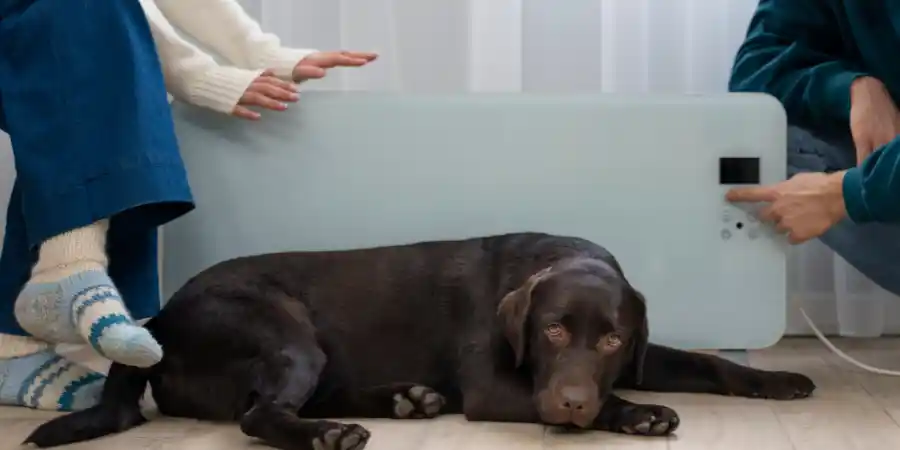
When a dog approaches the end of life, their body systems naturally shut down. The most definitive and key behavioral sign is extreme lethargy combined with a refusal to eat or drink. Dogs often experience severe fatigue, lose interest in their surroundings, and may seek solitude or experience sudden changes in affection.
From what I’ve observed over the years, the dog behaviour before death: Key signs your dog is dying?
Often show up as extreme lethargy, loss of appetite, and even incontinence, along with labored breathing or irregular breathing that becomes hard to ignore.
you may also notice mental confusion, detachment, and a tendency to seek solitude, while their body may feel cold due to reduced circulation.
In many cases, I’ve seen dogs become uneasy with restlessness, constant panting, and unsteady wobbly movements, which clearly signal that their condition is declining.
Signs a Dog Is Dying
Before making the hard decision please talk to your vet first about your dog’s health.Be sure to tell them if you’re noticing the following signs, which could mean your dog’s time is nearing an end:
1. Pain and discomfort
Pain and discomfort are common symptoms at the end of a dog’s life. But how can you tell if your dog is feeling them?
Pain: Often stays hidden, and dogs become reluctant to interact with their family, while showing subtle signs of pain like panting, trembling, irritability, restlessness, or even aggression.
These small changes are easy to miss but speak volumes if you pay close attention.
Discomfort: Shows differently, where dogs may sleep more than usual, seek new resting places, and look for comfort yet feel reluctant to leave those spots. I’ve noticed many dogs struggle to get comfortable, remain unable to settle down, and fail to properly rest, which clearly reflects their declining state.
How you can help: Talk to your veterinarian about pain medication and management for your pup. They can help you choose the approach that will work best to get your dog feeling more comfortable.
2. Restlessness
Dogs become restless near the end of life, especially when they feel uncomfortable or in pain, leading them to pace aimlessly and constantly change positions.
This unsettled behavior is usually a quiet signal that something deeper is wrong.
It often brings trouble sleeping, as they can’t get comfortable enough to fully relax or settle down, and in my experience, this repeated pattern clearly reflects their internal distress.
How you can help: Consider setting your dog up with a memory foam bed to help make them as comfortable as possible. Be sure to talk to your vet about pain management options.
3. Loss of appetite and decreased thirst
In observing the dog behaviour before death: Key signs your dog is dying?, many dogs lose interest in food and lose interest in water during their final days, often due to nausea or underlying pain.
These changes in loss of appetite and decreased thirst are frequently accompanied by gastrointestinal symptoms such as vomiting and diarrhea, which signal that their body is struggling to cope.
How you can help: Consulting a veterinarian can help decide if appetite stimulants are needed to get them hungry.
You can also give water using a needleless syringe or turkey baster, and offer tempting foods, wholesome foods, flavorful foods, frozen treats, or wet food to support hydration and encourage eating.
4. Weight loss
In the dog behaviour before death: Key signs your dog is dying?, I often notice dogs losing weight rapidly, where steady weight loss in older dogs turns into extreme weight loss or sudden rapid weight loss as they are nearing end of life.
This usually happens because they are not eating and facing changes in metabolism linked to underlying conditions.
From what I’ve seen, pain also plays a major role, as it reduces their desire to eat and worsens the overall decline.
How you can help: Talk to your veterinarian about whether it makes sense to put your dog on a special diet to help them gain weight. You may also tempt them with treats they love.
5. Vomiting
Vomiting can be a strong sign of illness in dogs, but it becomes more concerning when linked to a serious illness like cancer or in pets that are very old. It rarely appears alone and is usually seen in combination with other symptoms.
From experience, when vomiting shows up near the end of life, it often reflects how the digestive system is no longer working normally and may be slowly shutting down.
How you can help: Vomiting can cause dehydration. Try to give your dog water by offering it frequently or using a turkey baster to drop water or low-sodium broth into their mouth.
6. Dehydration
When I assess the dog’s behaviour before death , I often see signs of dehydration in dogs nearing the end of life, sometimes linked to diarrhea, vomiting, or decreased thirst among other symptoms.
These changes quietly show that the body is no longer maintaining balance.
In practice, I check for clues like heavy panting, a dry nose, dry mouth, and any change in skin elasticity, as these clearly indicate the dog is becoming dehydrated.
How you can help: Try to give your dog water by offering it frequently or using a turkey baster to drop water or low-sodium broth into their mouth.
7. Incontinence
I often notice that near the end of their lives, dogs become incontinent and lose control of their bladder and bowels, even if they are still mobile, sometimes due to depression or general lethargy.
This change can feel sudden but usually reflects deeper decline.
Many dogs become unable to get up to go outside and relieve themselves, which means they need extra help from owners or family members to stay clean and comfortable.
How you can help: I always remind people to stay patient and compassionate when dogs have accidents, especially if they are in pain or not mobile enough to go outside.
Small steps like using a waterproof pet pad or asking them to wear diapers can make daily care easier.
From my experience, it helps to keep the bed clean and dry, let them lay on a waterproof pet pad, and if needed, consider having them wear a diaper to maintain dignity and comfort.
8. Body odor
When the body stops functioning, a noticeable smell can develop due to issues like kidney disease, metabolism changes, or oil build-up in the fur. Sometimes incontinence, dental disease, or poor grooming also contribute to this shift.
In many cases, you may detect a different odor or even a stronger odor as the dog moves near the end of life, which quietly signals internal decline.
How you can help: Simple care steps help maintain dignity, like giving baths or gently bathe them using warm water if they are comfortable. If not, using dry pet shampoo and to brush softly through their fur works well.
I also recommend washing bedding and soft toys regularly, and offering breath-freshening chew treats to keep them feeling clean and at ease.
9. Dull eyes
While observing the dog’s behaviour before death: Key signs your dog is dying?, I’ve often seen that a dog’s eyes start to fail near the end of life, appearing as cloudy eyes or showing trouble seeing.
These subtle shifts are easy to overlook but carry important meaning.
Sometimes dull eyes may seem like just a sign of age or an eye condition, but when combined with other signs, they can point toward a deeper decline.
How you can help: Talk to your vet to see if medication might help ease your dog’s eye problem. If your dog’s eyes are causing pain, you may also request pain medication for your pup.
10. Temperature changes
A sick or aging dog near the end of life may get hotter or get colder than usual. These temperature changes are subtle but important signals.
From experience, this happens because of hormonal changes that make it difficult to regulate temperature, showing that the body is slowly losing its balance.
How you can help: Try to keep your dog comfortable by avoiding extreme temperatures. If you live in the heat, keep your pup in the shade and provide cool water. Provide a cozy bed by a warm spot or a pet-safe heating pad if you live somewhere cold.
11. Behavioral changes
I often notice clear behavior changes near the end of life, such as lack of interest, deep lethargy, or signs of depression and anxiety. Some dogs may even show aggression or unusual clinginess.
From my experience, these shifts can come from chemical reasons or emotional reasons, and the pattern truly varies from dog to dog, making careful observation very important.
How you can help: It’s important to respect your dog’s mood and needs. Let them rest in a safe, warm, and comfortable spot, or enjoy snuggles and gentle pets if they want affection.
If your dog shows signs of aggression, give them space and talk to the vet about the best options to keep both your pet and family safe.
12. Lack of interest
I’ve seen that as a dog’s health declines, they no longer show interest in their favorite activities and may not rouse themselves to play with toys, interact with pet siblings, or even bark at small animals or passing cars.
These small absences speak louder than obvious symptoms.
Over time, this growing lack of interest in what’s happening around them often signals they are near the end of their journey, and I’ve found this shift to be one of the clearest emotional indicators.
How you can help: Let your dog rest in a warm, safe and quiet place. Be sure to keep an eye on other pets or children to help keep your dog’s environment calm and stress free.
13. Lethargy and changes to sleep patterns
I often notice dogs spending time alone, napping more in quiet spots or even unusual spots when they are nearing the end of life. These shifts in sleep patterns and becoming lethargic are subtle but meaningful signs.
From experience, when they lack energy to go for walks, appear listless, and are not acting like themselves, it usually becomes a clear sign of failing health.
How you can help: Let your dog rest, and don’t pressure them to get active. Instead, help make them comfortable by providing them with a peaceful, clean, safe place to relax and sleep.
14. Depression
I’ve often seen lethargy, deep fatigue, and a clear lack of interest, where dogs appear depressed and start sleeping more than usual. They become not interested in activities, toys, or even people they once used to love.
From experience, this growing depression near the end of a dog’s life often links with lost mobility and ongoing pain, making these changes hard to ignore.
How you can help: Your vet may recommend anti-depressants depending on your dog’s symptoms.
15. Anxiety
Dogs develop strong anxiety when they don’t understand what’s happening around them or within their bodies, especially when they are in pain. This confusion often shows in subtle but emotional ways.
You may notice whining, pacing, crying, or heavy panting, which are clear symptoms of anxiety, and in many cases, it feels worse than pain for the dog.
How you can help: Talk to your vet about anti-anxiety medication to help your dog feel calmer and more comfortable.
16. Poor grooming
I’ve often noticed decreased hygiene and changes in grooming behavior, where the coat looks dull and unkempt as dogs reach the end of life. This usually happens because of ongoing pain or discomfort.
Many dogs become too tired or unable to coordinate movement, making it hard to keep themselves clean, which clearly reflects their declining condition.
How you can help: Gently wash your dog with warm water and pet-safe shampoo, or apply pet-safe dry shampoo before brushing your dog’s coat.
17. Confusion
Dogs near the end of their life show extreme confusion, where they may wander house aimlessly or even get lost in the backyard. These moments can feel sudden and emotional for any owner.
Sometimes, they may even not recognize their family members, and from experience, this change is one of the most difficult signs to witness.
How you can help: Be patient, careful and gentle with a confused dog. They may nip or growl unexpectedly because they are scared and don’t understand.
18. Clinginess
Near the end, dogs simply want to spend time with the people they love and prefer to stay close as much as possible. This emotional shift feels quiet but very powerful.
They seek constant love and gentle affection, and from experience, this closeness becomes their way of finding comfort and security.
How you can help: Give your dog super snuggles and be as present as you can. Enjoy your precious time together.
19. Detachment
near the end of life, some dogs want nothing to do with people and start seeking quiet places. They often choose solitude and isolation, which can feel unusual for loving pets.
From experience, this withdrawal usually means they are near the end of their time, and they instinctively look for peace in their own space.
How you can help:I’ve learned that even when dogs pull away, they still need gentle love and soft affection, best given in a calm and quiet space. Creating this peaceful setting makes a real difference in their comfort.
From experience, it helps to remove dogs from other pets, family members, or any noisy environment or crowded environment, allowing them to rest without stress.
20. Decreased mobility, ataxia and weakness
Dogs in their senior years deal with pain, stiffness, and decreased mobility, along with poor coordination or ataxia that can worsen with age as they grow weaker in their final days. These changes make even simple movements difficult.
From experience, they may struggle with daily routines, feel unable to get up, or stop joining usual activities, needing assistance from owners for essential resources like food, water, taking medicine, or even trips outside to relieve themselves.
How you can help: If possible, limit the amount of movement your dog has to do. Help them outside to relieve themselves, and keep their food and water close by.
21. Twitching and muscle tremors
In the dog behaviour before death: Key signs your dog is dying?, I’ve often noticed muscle twitching and tremors appearing alongside other symptoms, especially when a dog is nearing the end. These small physical changes can quietly signal that the body is under stress.
From experience, they are often linked to dehydration, decreased appetite, thirst, or changes in body temperature, which together reflect a deeper internal imbalance.
How you can help:It helps to address the underlying reason behind tremors, especially when a dog seems cold or uncomfortable. Simple steps can make a real difference in their comfort.
From experience, using a heating pad for extra warmth, watching for signs of dehydration, and to offer water or even broth frequently can gently support them during this stage.
22. Pale gums and cold paws
Pale gums, cold paws, and even cold lips as signs that a dog may be nearing the end of their time. These physical changes are subtle but very important to observe closely.
From experience, they usually point to poor circulation, where the heart struggles to pump blood properly, showing that the body is slowly shutting down.
How you can help: To help give some comfort, you can try gently rubbing paw balm into their pads. You can also try to warm them by dipping them carefully into a bowl of warm water and gently towel-drying.
23. Seizures
At the end of their life, some dogs may start having seizures. This can be the result of metabolic changes, kidney failure or problems in the brain.
How you can help:If a dog has a seizure, the first step is to keep away from things that may hurt like stairs or sharp edges. Staying calm in that moment really matters.
From experience, you should gently hold head and offer comfort until it passes, helping the dog feel safe during a very distressing episode.
24. Labored breathing
I’ve often noticed that near the end of life, dogs show difficulty breathing, with changes in breath rate becoming faster or slower, and sometimes turning into uneven breathing.
These shifts can feel sudden but are important to watch closely.
From experience, you may also hear changes in breathing sounds, becoming harsher or quieter, and clear labored breathing often signals the very end of life stage.
How you can help:Hold your dog. Be present and tell them you love them. Prepare to let go.
25. More bad days than good days
From my experience, pet owners often find it challenging when symptoms come gradually, and knowing when to say goodbye to a dog becomes emotional.
So I always suggest it is helpful to monitor their quality of life by keeping a journal of good days and bad days to see the real pattern clearly.
How you can help: When the bad days start to out number the good, it may be time to speak to your veterinarian about the right time to say goodbye and your options for easing your dog out of this life.
Quality of Life Scale for Dogs (HHHHHMM Scale)
The dog quality of life scale is a practical tool used by veterinarians, researchers, and pet owners to carefully evaluate a dog’s well-being and overall quality of life, helping them identify how the dog is faring in physical health, mental well-being, and overall happiness, with the HHHHHMM Scale clearly stands for these key aspects.
- Hurt: Is your dog in pain and breathing without difficulty? How is their skin condition, sensitivity and behavior?
- Hunger: Is your dog eating enough and getting good nutrition? Are there changes in their eating patterns or weight?
- Hydration: Is your dog drinking enough water to stay hydrated? Are there any symptoms of excess thirst?
- Hygiene: Are you helping keep your dog’s coat, skin and living area clean? Is your dog protected from parasites?
- Happiness: Does your pet seem content most of the time? Do they show signs of enthusiasm and engagement?
- Mobility: Is your dog able to stand and walk? Have you noticed changes in your dog’s physical activity or noticed stumbling or seizures?
- “More good days than bad days”: Are there more days when your dog seems happy? Does your bond still feel strong? Is your dog in distress or pain?
When caring for a senior dog, assigning scores and ratings to key factors on a scale provides an objective way to track changes in your dog’s quality of life over time, helping you gauge the effectiveness of treatments or interventions and make informed decisions for your dog’s care. Personal experience shows that keeping consistent records makes it easier to notice subtle declines and respond quickly.
Use our tools :
- https://mydogwell.com/pet-age-calculator/
- https://mydogwell.com/get-your-dog-care-plan/
- https://mydogwell.com/pet-water-intake-calculator/
- https://mydogwell.com/emergency-drug-calculator-for-dogs-cats/
At mydogwell.com, we keep things simple. No complicated terms, no confusing information—just practical advice to help you understand your dog better and keep them healthy.
FAQ’s
What are the most common signs a dog may be nearing the end of life?
Common signs include extreme fatigue, loss of appetite, weight loss, difficulty standing or walking, changes in breathing patterns, increased sleeping, and reduced interest in people or favorite activities. These signs can vary depending on the dog’s age and medical condition.
Do dogs know when they are dying?
While we cannot know exactly what dogs understand, many dogs show behavioral changes near the end of life, such as seeking solitude, becoming unusually clingy, or displaying confusion. These behaviors are often linked to physical discomfort and changes in their health.
Why does my dog hide or isolate itself before death?
Some dogs instinctively seek quiet, secluded places when they feel weak or unwell. This behavior may be a natural response to illness or discomfort rather than a conscious awareness of death.
What should I do if I think my dog is dying?
Contact your veterinarian as soon as possible. A veterinarian can assess your dog’s condition, discuss treatment or palliative care options, and help ensure your pet remains comfortable during its final days.
How can I keep my dog comfortable at the end of life?
Provide a quiet, comfortable resting area, ensure easy access to water, offer gentle affection if your dog wants it, and follow your veterinarian’s recommendations for pain management and supportive care.
When should I consider euthanasia for my dog?
Euthanasia may be considered when a dog’s quality of life has significantly declined and pain or suffering can no longer be adequately managed. Your veterinarian can help evaluate your dog’s condition and guide you through this difficult decision.
⚠️ MEDICAL DISCLAIMER: This article is for
informational purposes only. MyDogWell.com is not
operated by licensed veterinarians. Always consult
with a licensed veterinarian before making any
health decisions for your dog.
[Read Full Medical Disclaimer]:https://mydogwell.com/medical-disclaimer/