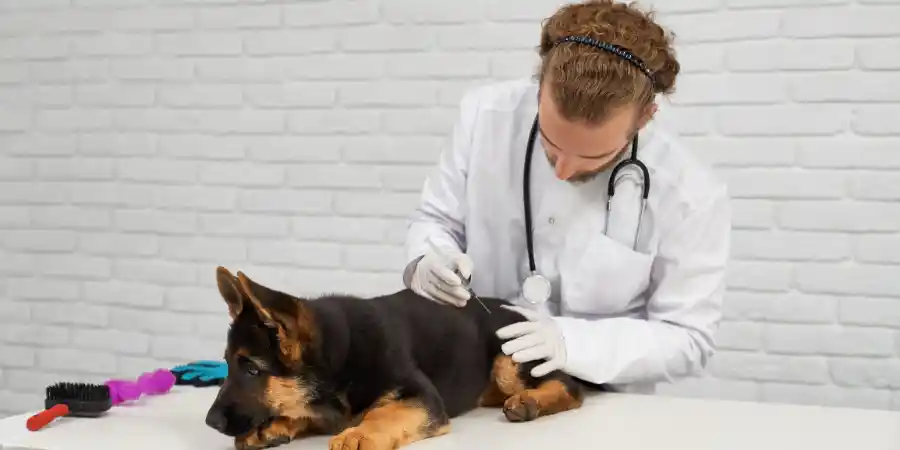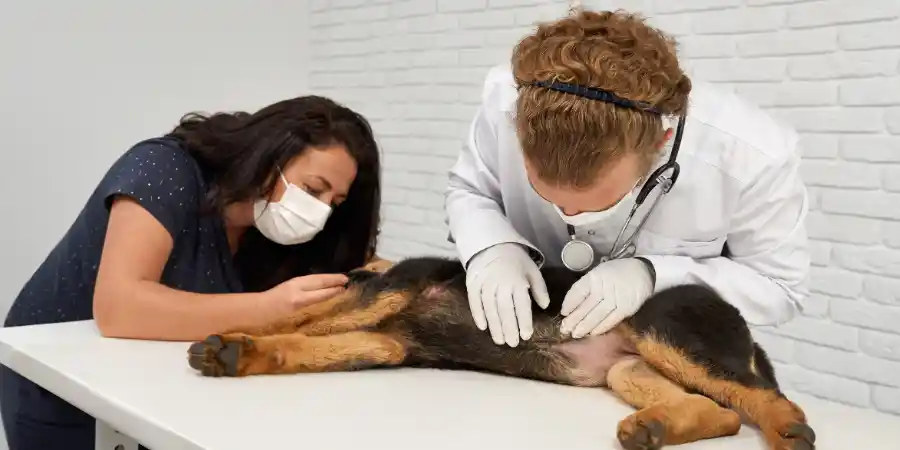
If your dog just got vaccinated and is acting a little “off ” you are not alone. Many dog owners feel worried after seeing changes in their pet’s behavior. The good news is that most vaccine side effects in dogs are normal and temporary.
But here is the important part:
Some reactions are not normal and need immediate veterinary care.
In this complete guide, you will learn:
- What normal dog vaccine side effects look like
- What symptoms are dangerous
- How long side effects last
- What you should do after vaccination
- When to call your vet
This article gives clear, practical answers so you can take the right action without panic.
Why Dogs Need Vaccines ?

Mild, temporary side effects are a normal immune response to a vaccine and typically resolve within 24 to 48 hours. Common, expected symptoms include mild lethargy, a slight fever, reduced appetite, and minor swelling or soreness at the injection site. Serious reactions are rare but require immediate veterinary attention.
Vaccines protect your dog from serious diseases like rabies, parvovirus, and distemper. These diseases can be deadly, but vaccines help your dog’s immune system learn how to fight them.
Feeling tired after a vaccine is a normal sign that your immune system is working hard to build protection called milled lethargy . This mild fatigue usually goes away on its own within 24 to 48 hours.
Vaccines work by stimulating the immune system, which can cause mild side effects.
That is why some reactions happen after vaccination and in most cases, they are actually a sign that the vaccine is working.
Are Dog Vaccine Side Effects Normal?
Yes in most cases, side effects are completely normal.
Veterinary data shows that mild reactions are common and usually harmless, while serious reactions are rare.
Most dogs recover quickly within 24 to 48 hours.
So if your dog seems tired or eats less for a short time, you usually do not need to worry.
Common Dog Vaccine Side Effects
These are the most common reactions that many dogs experience. They are mild and go away on their own.
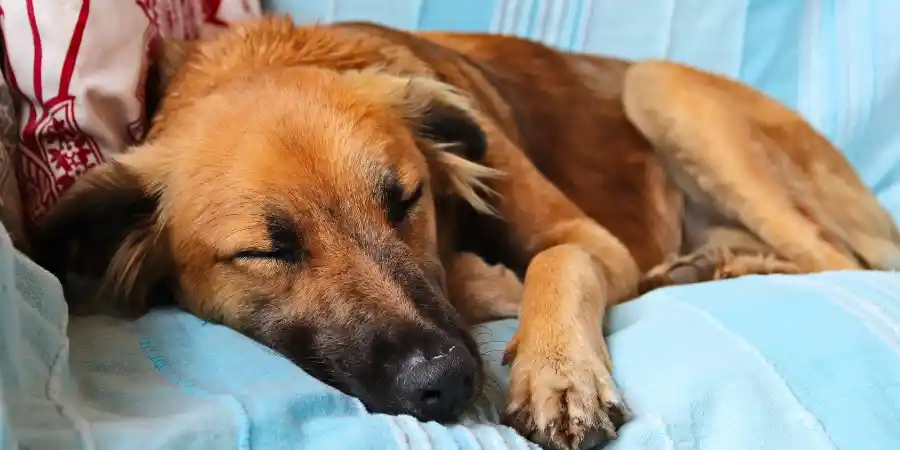
1. Low Energy (Lethargy)
Your dog may:
- Sleep more than usual
- Play less
- Look tired
This happens because the immune system is working hard.
This is the most common side effect and usually lasts 1–2 days.
2. Mild Fever
Your dog’s body temperature may rise slightly.
Signs include:
- Warm ears or nose
- Slight tiredness
- Less activity
A mild fever is a normal immune response and should go away quickly.
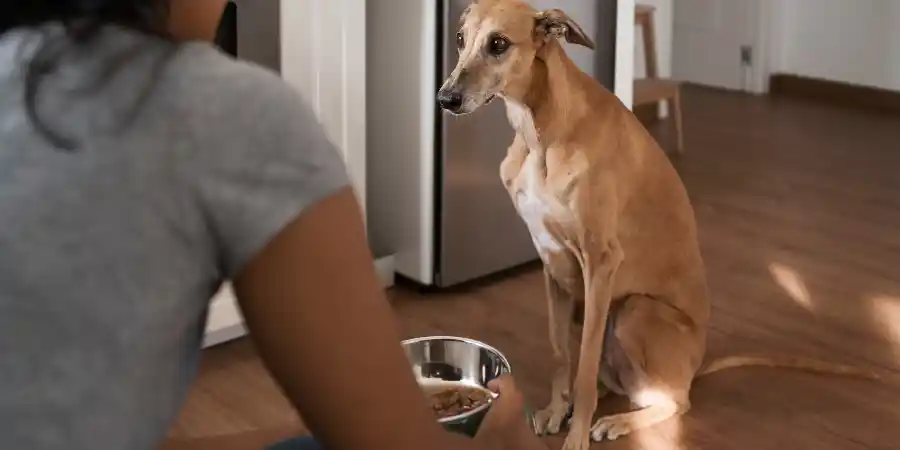
3. Reduced Appetite
Your dog may:
- Eat less
- Skip one meal
This is temporary and usually improves within 24 hours.
4. Swelling or Lump at Injection Site
You might notice:
This can last a few days and sometimes up to two weeks.
5. Mild Pain or Sensitivity
Your dog may:
- Avoid being touched
- Walk slowly
- Limp slightly
This is normal if it improves quickly.
6. Sneezing or Coughing (After Nasal Vaccines)
If your dog got a nasal vaccine, mild coughing or sneezing may occur.
Normal dog vaccine side effects include:
Normal dog vaccine side effects include:
- Tiredness
- Mild fever
- Reduced appetite
- Small swelling at injection site
- Mild soreness
👉 These symptoms usually go away within 24–48 hours.
How Long Do Dog Vaccine Side Effects Last?
Here is a simple timeline:
First 24 hours
- Tiredness
- Slight fever
- Less appetite
24–48 hours
- Symptoms improve
Up to 1 week
- Small lump may remain
If symptoms last longer than this, you should contact your vet.
Less Common Reactions
Some dogs may experience slightly stronger reactions that are still not dangerous.
These include:
These symptoms should still improve within a day or two.
Serious Dog Vaccine Side Effects
Now this is the most important part.
Some reactions are rare but dangerous. You must act fast if you see them.
1. Facial Swelling
- Swelling around eyes, mouth, or face
- Puffy appearance
This may indicate an allergic reaction.
2. Difficulty Breathing
- Fast breathing
- Wheezing
- Struggling to breathe
This is an emergency.
3. Severe Vomiting or Diarrhea
- Repeated vomiting
- Continuous diarrhea
4. Collapse or Weakness
- Fainting
- Unable to stand
5. Hives or Skin Rash
- Red bumps
- Itching
6. Anaphylaxis
This is a severe allergic reaction.
Symptoms include:
- Swelling
- Breathing difficulty
- Vomiting
- Collapse
This condition needs immediate treatment.
Quick Emergency Checklist
Call your vet immediately if your dog has:
- Trouble breathing
- Facial swelling
- Continuous vomiting
- Collapse
- Severe weakness
These symptoms can appear within minutes or hours after vaccination.
Why Do Some Dogs Have Stronger Reactions?
Not all dogs react the same way.
Some factors increase risk:
1. Small Dog Breeds
Smaller dogs may have higher chances of reactions.
2. Multiple Vaccines at Once
Getting several vaccines in one visit may increase reaction risk.
3. Previous Vaccine Reaction
Dogs who reacted before are more likely to react again.
4. Age and Health
Young puppies and dogs with weak immune systems may react more.
What To Do After Your Dog Gets Vaccinated
Follow these simple steps to keep your dog safe:
1. Monitor Your Dog Closely
Watch your dog for at least 24–48 hours.
2. Let Your Dog Rest
Avoid:
- Heavy exercise
- Long walks
Your dog needs time to recover.
3. Provide Fresh Water
Make sure your dog stays hydrated.
4. Feed Light Meals
If appetite is low, offer small portions.
5. Check Injection Site
Look for:
- Swelling
- Redness
- Pain
6. Stay Near a Vet
Most serious reactions happen early. So stay near a vet.
When Should You Call the Vet?
Call your vet if:
- Symptoms last more than 48 hours
- Swelling gets worse
- Your dog refuses food for more than a day
- You notice anything unusual
Early action can prevent bigger problems.
How Vets Treat Vaccine Reactions
Treatment depends on severity.
Mild Cases
- Usually no treatment needed
- Symptoms go away on their own
Moderate Cases
- Anti-inflammatory medicine
- Fluids
Severe Cases
- Antihistamines
- Steroids
- Oxygen support
- Emergency care
Can Dog Vaccine Side Effects Be Prevented?
You cannot completely prevent side effects, but you can reduce the risk.
Tips:
- Inform your vet about past reactions
- Avoid vaccinating a sick dog
- Ask about spacing vaccines
- Stay at the clinic for observation
Myths About Dog Vaccine Side Effects
Myth 1: Vaccines Are Dangerous
Fact: Vaccines are safe, and serious reactions are rare.
Myth 2: Side Effects Mean Something Is Wrong
Fact: Mild reactions mean the immune system is working.
Myth 3: Indoor Dogs Don’t Need Vaccines
Fact: Even indoor dogs can get infections.
Real-Life Concern: Is It Normal If My Dog Is Sick After Vaccination?
Many dog owners worry when their pet:
- Sleeps all day
- Eats less
- Looks sad
In most cases, this is completely normal and temporary.
But always watch for warning signs.
What is Trembling ?
Trembling means shaking slightly in a way you cannot control, usually because of strong emotions, cold, or physical weakness.
Conclusion
Dog vaccines are one of the best ways to protect your pet’s health. While side effects can happen, most are mild and short-lived.
Here is the key takeaway:
Normal: tiredness, mild fever, small swelling
Not normal: breathing issues, swelling of face, collapse
Always trust your instincts. If something feels wrong, contact your vet immediately.
Use our tools :
- https://mydogwell.com/pet-age-calculator/
- https://mydogwell.com/get-your-dog-care-plan/
- https://mydogwell.com/pet-water-intake-calculator/
- https://mydogwell.com/emergency-drug-calculator-for-dogs-cats/
At mydogwell.com, we keep things simple. No complicated terms, no confusing information just practical advice to help you understand your dog better and keep them healthy.
FAQ’s
How long do dog vaccine side effects last?
Normal, mild vaccine side effects in dogs last 24 to 48 hours, though small injection-site lumps can take up to two weeks to completely fade. These minor reactions show that the immune system is actively building protection.
Is it normal for my dog to sleep a lot after vaccines?
Yes, it is completely normal for a dog to sleep a lot and feel tired after getting vaccines.
Can vaccines make dogs sick?
Yes, dog vaccines can make dogs feel slightly sick, but these reactions are usually mild and short-lived. Mild symptoms are normal, but serious illness is rare.
When should I worry after dog vaccination?
You should worry and seek immediate veterinary care if your dog shows signs of a severe allergic reaction, such as facial swelling, trouble breathing, or collapse, usually within minutes to a few hours after a vaccination.
Do all dogs have vaccine side effects?
No, some dogs show no reaction at all.
⚠️ MEDICAL DISCLAIMER: This article is for
informational purposes only. MyDogWell.com is not
operated by licensed veterinarians. Always consult
with a licensed veterinarian before making any
health decisions for your dog.
[Read Full Medical Disclaimer]:https://mydogwell.com/medical-disclaimer/