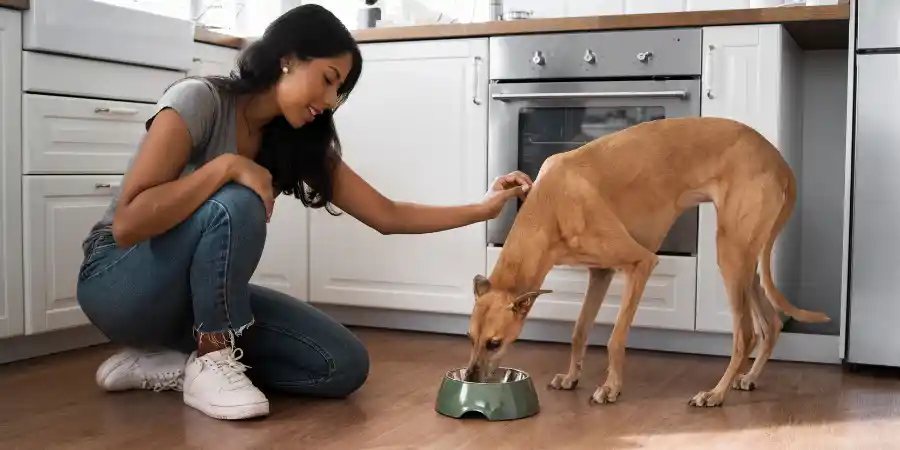
Your dog’s personality can shift overnight. The friendly pup who greeted everyone at the door now growls at strangers. The energetic companion who lived for walks now hides and refuses to move. When a dog’s behavior changes suddenly, it’s not a quirk it’s communication. This guide explains the 10 most common causes of dog behavior changes, how to spot them early, and exactly what to do.
Key Takeaway:
Your dog’s behavior is communication. Sudden changes mean something is wrong pain, illness, fear, medication reaction, or emotional distress. The good news: most behavior changes are fixable once you find the cause. Start with a vet visit to rule out medical issues. Then work with a trainer or behaviorist if needed. Your dog is counting on you to notice and act.
Quick Behavior Change Decision Guide
Before diving into causes, use this to assess urgency:
See a vet TODAY if your dog shows:
- Sudden aggression (never shown before)
- Loss of house training despite being trained
- Extreme fear or panic (freezing, unresponsiveness)
- New repetitive behaviors (circling, pacing, staring)
- Sudden withdrawal combined with other changes
Schedule a routine vet visit within the week if:
- Gradual behavior changes over days or weeks
- Behavior change paired with appetite or energy changes
- New anxiety or avoidance behaviors
- Changes in play or social interest
No immediate action needed if:
- Behavior change explained by clear trigger (thunderstorm, new person)
- Single incident with no pattern
- Expected age-related changes (puppy fear period, senior slowdown)
The 10 Most Common Causes of Dog Behavior Changes
1. Pain or Illness (Most Common)
A dog’s behavior change is often the first sign something hurts. Pain fundamentally changes how dogs interact with their world. They become protective, irritable, withdrawn, or aggressive not from meanness, but from discomfort.
Signs of hidden pain in behavior:
- Reluctance to jump, climb stairs, or move
- Irritability when touched in certain areas
- Snapping or growling (pain response)
- Panting excessively even at rest
- Changes in posture (hunched, stiff)
- Loss of interest in play or walking
- House training accidents (pain preventing them from reaching the door)
- Increased licking or biting one area
- Trembling or muscle tension
Common painful conditions: arthritis, hip dysplasia, dental disease, ear infections, urinary tract infections, back pain, digestive issues.
What to do: Schedule a vet exam within 24 hours. Bring a list of when the behavior started and what else changed.
Related: How to Tell If Your Dog Has a Toothache: Signs and What to Do
2. Vaccine Side Effects (Your Specialty)
Dogs sometimes show behavioral changes within 12-72 hours of vaccinations. These are normal immune responses. Your dog might be withdrawn, less playful, have reduced appetite, run a mild fever, or seem anxious. Most side effects resolve within 2-3 days.
However, severe behavior changes extreme aggression, confusion, inability to recognize family, severe anxiety are NOT normal and need immediate vet attention.
What to monitor:
- Mild lethargy (normal)
- Loss of appetite for 24-48 hours (normal)
- Mild fever (normal)
- Behavior returning to normal within 3 days (normal)
When to call emergency vet:
- Severe lethargy or collapse
- Difficulty breathing
- Severe swelling
- Confusion or disorientation lasting more than a few hours
- Severe behavior changes (extreme aggression, inability to recognize family)
Related: Dog Behavior Changes After Vaccination: What’s Normal?
3. Medication Side Effects
New medications can cause significant behavioral changes. Steroids make dogs hyperactive or anxious. Pain medications cause drowsiness, confusion, or restlessness. Antibiotics sometimes cause nausea and behavioral changes.
The behavior change is a side effect, not your dog’s fault. Don’t punish the behavior address the medication.
What to do: Call your vet and describe the exact behavior change. Your vet may adjust the dose, change timing, switch medications, or add something to counteract the side effect. Never stop medication without vet approval.
4. Anxiety, Fear, or Stress
Dogs become anxious from environmental triggers: thunderstorms, fireworks, loud noises, moving homes, new family members, schedule changes, or separation. An anxious dog may bark excessively, pace, hide, have accidents, become clingy, or show aggression as a fear response.
The key difference: triggered anxiety (happens during/after specific event) vs. generalized anxiety (happens without obvious trigger).
What to do:
- Remove or minimize the trigger if possible
- Create a safe space (quiet room, crate, bathroom)
- Use positive reinforcement (treats and praise when calm)
- Maintain consistent routines
- If anxiety persists beyond the trigger event, talk to your vet about anti-anxiety options
5. Hypothyroidism (Underactive Thyroid)
When the thyroid doesn’t produce enough hormones, behavior shifts dramatically. Dogs become lethargic, gain weight despite normal eating, lose interest in play, become irritable, or show increased aggression. This develops gradually over weeks or months, so behavior change creeps up slowly.
Other signs: Dry skin/coat, hair loss, cold intolerance, weight gain, constipation.
What to do: If gradual behavior change paired with weight gain or coat changes, ask your vet to test thyroid levels. Simple blood test. Easily managed with daily medication.
Related: Why Is My Dog Not Active Anymore? 9 Causes & When to See a Vet
6. Neurological Issues (Serious)
Seizures, brain inflammation, tumors, or stroke cause sudden, dramatic behavior changes. A dog may seem confused, disoriented, unable to recognize family, act aggressively without provocation, or show repetitive behaviors (circling, staring at walls, pacing).
These are emergencies. Behavior changes from neurological issues develop rapidly and often come with other signs: loss of coordination, paralysis, tremors, or unconsciousness.
What to do: If you suspect neurological issues, go to the emergency vet or call immediately. Describe exactly what behavior changed and when it started.
7. Hormonal Changes and Reproductive Issues
Intact (unneutered) male dogs show behavior changes from hormonal fluctuations increased marking, roaming, aggression toward other males, heightened sexual interest. Female dogs in heat show increased marking, restlessness, and attractiveness to males.
Spayed/neutered dogs sometimes show behavior changes post-surgery as hormones shift. Some become calmer; others become more anxious or reactive.
What to do: Spay/neuter addresses reproductive hormone changes. If post-surgery behavior changes concern you, talk to your vet. Most hormonal behavior changes settle within weeks to months post-surgery.
8. Separation Anxiety or Fear of Being Alone
A dog with separation anxiety shows destructive behavior, excessive vocalization, pacing, or panic when left alone or when you prepare to leave. This isn’t misbehavior it’s terror. These dogs genuinely believe something terrible will happen if you leave.
Signs:
- Destruction focused on exits (doors, windows, crates)
- Panting, pacing, inability to settle
- Excessive barking or howling
- House training accidents despite being trained
- Behavior starts when you prepare to leave (grabbing keys, putting on shoes)
What to do: Don’t punish. Gradually desensitize to your departure. Practice short absences. Use calming aids. Consider anti-anxiety medication. Work with a certified trainer or veterinary behaviorist this often requires professional help.
9. Depression or Emotional Distress
Dogs experience depression. Major life changes (loss of a companion, moving, divorce, schedule disruption), trauma, or chronic stress cause dogs to withdraw, lose interest in activities they loved, eat less, and isolate. A depressed dog’s behavior literally changes they become a different version of themselves.
Signs:
- Loss of interest in normal activities
- Reduced eating
- Excessive sleeping
- Avoidance of family members
- Lack of excitement about usual triggers (walks, toys, food)
- General disengagement from life
What to do: Rule out medical issues first with a vet exam. If medically healthy, work with a behaviorist. Increase exercise, mental stimulation, and one-on-one time. Sometimes anti-anxiety medication helps. Be patient recovery takes time.
10. Age and Life Stage Changes (Normal Development)
Puppies show dramatic behavior changes during fear periods (8-11 weeks and 6-12 months of age). They may become fearful of things they previously liked, show new anxiety, or act aggressively defensively.
Adolescent dogs (6-24 months) experience behavioral shifts as hormones change and personality develops. They may test boundaries, show increased independence, or develop selective social preferences.
Senior dogs slow down, may become more anxious, show cognitive dysfunction (confusion, disorientation), or develop pain-related behavior changes.
What to do: Understand what’s normal for your dog’s age. Puppies need socialization and gentle exposure to new things during fear periods. Adolescents need consistent training and appropriate outlets. Seniors need pain management and cognitive support.
Behavior Change Decision Tree
| Change | Most Likely Cause | Next Step |
|---|---|---|
| Sudden aggression (never shown before) | Pain, neurological issue, fear | VET TODAY |
| Loss of house training despite being trained | Pain, UTI, stress, illness | VET WITHIN 24 HOURS |
| Sudden withdrawal + other changes | Illness, pain, depression | VET WITHIN 24 HOURS |
| Excessive barking/whining with pacing | Anxiety, pain, separation anxiety | VET CHECK + assess triggers |
| Behavior change within 48 hours of vaccination | Vaccine side effect (usually mild) | Monitor 48-72 hours, call vet if severe |
| Gradual behavior change over weeks + weight gain | Hypothyroidism, depression, aging | Schedule routine vet visit within week |
| Change clearly tied to specific trigger (thunderstorm) | Fear/anxiety to trigger | Create safe space, gradual desensitization |
| New repetitive behaviors (circling, staring) | Neurological issue, cognitive dysfunction | VET TODAY |
| Behavior change after starting new medication | Medication side effect | CALL VET same day |
| Change in play style or social interest | Age-related development, pain, depression | Routine vet check if paired with other signs |
Signs Your Dog’s Behavior Change Needs Emergency Help
Go to emergency vet NOW:
- Sudden aggression with no provocation or history
- Inability to recognize family members
- Loss of coordination or inability to walk
- Tremors, seizures, or uncontrolled shaking
- Disorientation or confusion
- Extreme panic or catatonia
- Behavior change paired with difficulty breathing
- Behavior change paired with collapse
Call your vet TODAY:
- Sudden behavior change lasting more than a few hours
- Behavior change paired with appetite loss, vomiting, or diarrhea
- New aggression, even if mild
- Loss of house training
- Extreme anxiety or fear
Schedule routine visit:
- Gradual behavior changes
- Behavior change with clear trigger
- Age-appropriate changes
How to Create a Behavior Baseline (For Comparison)
The best way to spot abnormal behavior changes is knowing what “normal” looks like for YOUR dog. Create a baseline:
Record for 2 weeks while dog is healthy:
✓ Daily activity level (active, moderate, calm, sleeping)
✓ Play engagement (initiates play? responds to toys? duration?)
✓ Social interest (greets family? seeks interaction? engagement level?)
✓ Eating patterns (enthusiastic? normal? picky?)
✓ Elimination (normal frequency, consistency, location)
✓ Sleep pattern (active times? rest times? restless or peaceful?)
✓ Training responsiveness (obeys commands? treat interest? motivation?)
✓ Reaction to common triggers (doorbell, leash, food prep, car)
When changes occur, you can say “My dog usually does X, but now does Y” instead of guessing. This helps vets diagnose faster.
Behavior Changes by Life Stage
| Age | Expected Behavior Changes | Red Flag Changes | Action |
|---|---|---|---|
| Puppy (8 weeks – 6 months) | Fear periods, learning social skills, teething behavior | Extreme fear, constant accidents, refusing all interaction | Vet check + socialization |
| Adolescent (6 months – 2 years) | Testing boundaries, independence, selective socializing | Sudden aggression, extreme anxiety, destructive behavior | Vet check + training |
| Young Adult (2-7 years) | Personality settling, established preferences | Any sudden behavior change | Vet evaluation required |
| Senior (7+ years) | Slowdown, increased sleep, selectivity | Extreme confusion, loss of housetraining, new aggression | Vet check for pain/cognitive issues |
Breed-Specific Behavior Tendencies
Some behavior “changes” are actually just the dog’s breed finally emerging. A herding dog that starts nipping at heels at 18 months is showing instinctive behavior. A hunting dog that starts chasing smaller animals is breed-normal. Understanding your breed helps you distinguish between “problem behavior” and “breed expression.”
Know your dog’s breed traits before labeling behavior as “changed.”
Medical Conditions That Cause Behavior Changes
Keep this checklist for your vet visit:
Pain-related: Arthritis, hip dysplasia, back pain, dental disease, ear infection, urinary tract infection, digestive issues, injury
Hormonal: Hypothyroidism, Cushing’s syndrome, diabetes, reproductive hormones
Neurological: Seizures, brain inflammation, tumor, stroke, idiopathic epilepsy, cognitive dysfunction
Infection: Ear infection, UTI, Lyme disease, other bacterial/viral infections
Metabolic: Liver disease, kidney disease, diabetes, hypoglycemia
Medication: Steroids, antibiotics, pain meds, anti-anxiety meds (all have side effects)
Vaccines: Mild lethargy, fever, behavior changes normal within 48-72 hours
Solutions for Common Behavior Changes
For anxiety/fear:
- Create safe space
- Maintain routines
- Use positive reinforcement
- Gradual desensitization
- Consider medication
For pain-related changes:
- Vet diagnosis and pain management
- Rest and restricted activity
- Pain medications
- Supplements (joint support, etc.)
For medication side effects:
- Call vet immediately
- Adjust dose/timing or switch medication
- Don’t stop meds without vet approval
For separation anxiety:
- Desensitization to your departure
- Crate training (if dog sees crate as safe, not prison)
- Anti-anxiety medication
- Professional trainer/behaviorist
For depression:
- Vet check (rule out medical issues)
- Increase exercise and mental stimulation
- One-on-one time
- Behavioral therapy
- Anti-anxiety medication in severe cases
For age-related changes:
- Pain management for aging joints
- Cognitive support for seniors
- Appropriate socialization for puppies
- Patience as personality develops
Tools to Help You Track Dog Health
At mydogwell.com, we provide resources to monitor your dog’s wellness and behavior:
- Dog Age Calculator – Understand your dog’s life stage and expected behavior
- Dog BMI Calculator – Weight changes affect behavior (sluggishness, pain, mood)
- Pet Water Intake Calculator – Dehydration and UTI cause behavior changes
- Behavior & Training Guides – Deep dives into specific behaviors
FAQ’s
Q: Should I punish my dog for behavior changes?
A: No. Punishment teaches fear and often worsens behavior. Behavior changes signal something is wrong—pain, illness, fear, or distress. Address the root cause, not the symptom.
Q: How long should I give my dog before seeing a vet?
A: If behavior is sudden and unusual, see a vet within 24 hours. Don’t wait hoping it passes. Early intervention catches serious issues faster.
Q: Can behavior changes from vaccines last longer than 3 days?
A: Mild lethargy and appetite loss are normal within 48-72 hours. If behavior changes persist beyond 3 days or are severe, contact your vet.
Q: My dog’s behavior changed after getting a new medication. What should I do?
A: Call your vet same day. Describe the exact behavior change. Don’t stop the medication without vet approval. Your vet can adjust, change timing, or switch medications.
Q: Is it normal for my puppy’s personality to change?
A: Yes. Puppies go through fear periods (8-11 weeks, 6-12 months) where personality and behavior shift. This is normal development. Provide socialization and positive exposure.
Q: My senior dog’s behavior suddenly changed. Is this just old age?
A: Sudden changes are NOT normal aging—they’re red flags. Gradual changes with age are normal, but sudden shifts suggest pain, illness, or cognitive issues. Get a vet exam.
Q: How can I tell if my dog is depressed?
A: Depressed dogs lose interest in normal activities, eat less, sleep more, and seem withdrawn. They’re literally a different version of themselves. Rule out medical issues first with a vet exam.
Q: What should I do if my dog becomes aggressive suddenly?
A: Don’t wait. Call your vet same day or go to emergency vet. Sudden aggression is a red flag for pain, neurological issue, fear, or serious medical problem. Never punish—get professional evaluation.
Real Example: Behavior Change Investigation
Your dog: Bella, 5-year-old Lab, normally friendly and playful
Behavior change: Started snapping at family members when touched, withdrawn, not interested in walks
Investigation steps:
- Timeline: When did it start? Last 3 days (sudden—not normal)
- Triggers: Does it happen with specific people or touches? Yes—snaps when side is touched
- Other changes: Appetite? Bathroom? Energy? Panting? “She’s eaten less and seems uncomfortable”
- Recent events: Vaccines? New medication? Falls? “She jumped off the couch awkwardly 4 days ago”
- Vet evaluation: Pain in rib area (injured rib), some inflammation
Conclusion: Pain from rib injury causing behavior change. Not behavioral problem—medical problem.
Solution: Rest, pain medication, restricted activity, follow-up vet visit. Behavior returns to normal as pain resolves.
Related Articles: