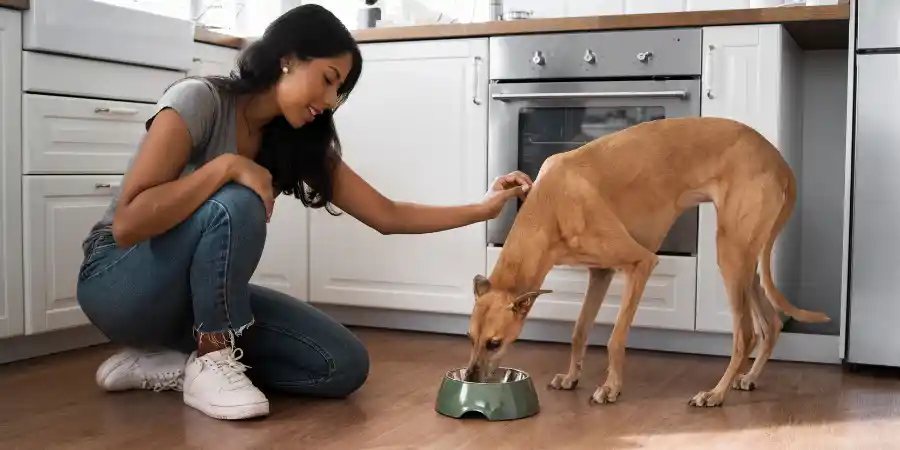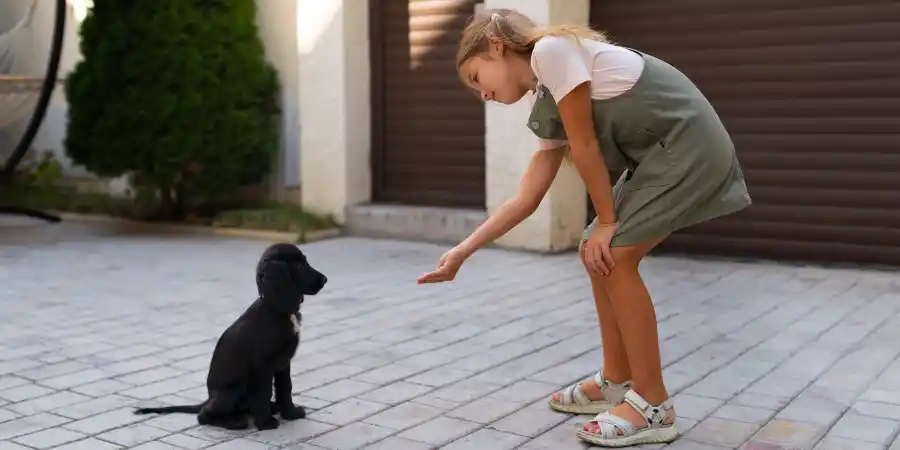
Your dog sprints across the room the moment you open a treat bag. Then you put their food bowl down and they walk away. You are not imagining the difference it is real, it is deliberate, and it has a specific cause. Dogs who eat treats but refuse regular food are either making a calculated behavioural choice, responding to pain or illness, or reacting to something in their environment that you have not spotted yet. This guide covers every reason, in order of what to check first.
Why Your Dog Is Eating Treats But Not Their Food?
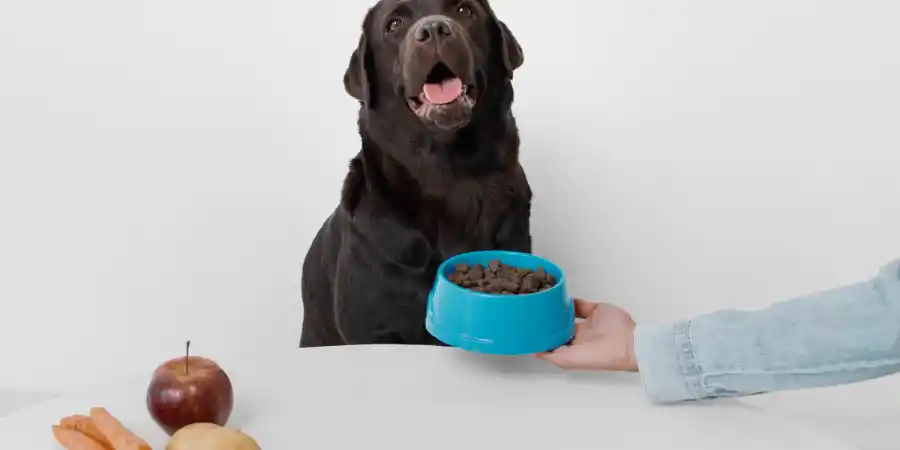
When a dog eats treats but leaves regular food, it usually means the dog prefers the strong smell and rich taste of snacks, feels too full from snacking, or has a health issue like a sore tooth that makes chewing hard kibble painful.
It , is often caused by picky behavior, overfeeding treats, dental pain, or stress. To fix this, stop providing excessive treats, check for spoiled kibble, and consult a vet to rule out illness if the behavior lasts over 48 hours.
Why Treats Always Win Over Kibble
Before diagnosing the problem, understand why treats beat food every time in a dog’s brain because it changes how you interpret the behaviour.
Treats are engineered to be irresistible. They contain higher fat content, stronger salt levels, and concentrated flavour compounds that produce a smell intensity many times stronger than standard kibble.
Dogs experience the world primarily through their nose their sense of smell is roughly 100,000 times more sensitive than a human’s. A treat registers as a powerful sensory event. A bowl of dry kibble that has been sitting out for an hour barely registers at all.
This means a dog eating treats but refusing food is not always choosing the treat over the food sometimes they are choosing the only thing they can actually smell strongly enough to want.
A dog whose appetite is suppressed by mild illness, stress, or pain may be physically incapable of being interested in low-smell kibble, but the intense smell of a treat still cuts through.
That distinction treat-eating as a sign of suppressed appetite, not just pickiness is what separates a behavioural problem from a medical one.
The 3-Category Diagnosis
Every case of treat eating but not food falls into one of three categories. Identifying the right category tells you exactly what to do next.
| Category | What Drives It | Key Signs |
|---|---|---|
| Behavioural | The dog has learned that refusing food leads to getting something better | Happens consistently, dog is energetic, healthy weight, no other symptoms |
| Medical | Pain, illness, or a physiological change suppresses appetite for regular food | Started suddenly, other symptoms present, or dog is losing weight |
| Environmental | Something about the feeding setup is wrong | Inconsistent dog eats some days but not others, or eats in some locations but not others |
Work through this in order behavioural first, then environmental, then medical. Most cases resolve in category one or two. If they do not, category three is where your vet comes in.
Behavioural Causes
The Holdout Conditioning Loop
This is the most common cause of treat eating but not food and it is created entirely by the owner, without realising it.
Here is exactly how it happens: your dog skips their meal. You worry, You offer a treat to check that they are eating. They eat it. The next day they skip their meal again. You offer another treat. They eat it again.
Within a week, your dog has learned a reliable formula: refusing food results in getting something more exciting. They are not sick. They are not anxious. They are applying a strategy that works every time.
This is called the holdout conditioning loop. The dog refuses food not from disinterest in eating but from interest in something better. The fix is not a new food or a vet visit it is breaking the loop. Put the bowl down, leave it for 15 minutes, pick it up if untouched, and offer nothing else until the next scheduled meal.
Within three to five days, the vast majority of holdout dogs return to eating normally. The key is consistency one treat offered during the reset period restarts the loop from the beginning.
Overfeeding Treats Throughout the Day
A dog that receives treats at multiple points across the day is a dog that grazes. Grazing dogs have no genuine hunger at mealtime. Their caloric needs are already partially or fully met before the bowl goes down.
This is especially common in households where the dog is in active training and receiving treats as reinforcement throughout the day, or in households where multiple family members give the dog treats independently without tracking how many have been given.
The dog is not refusing food out of preference they are simply not hungry. Track how many treats your dog receives before each meal for three days. The number is usually higher than any family member realises.
Boredom With the Same Food
Some dogs tolerate eating identical food every day for years without complaint. Others develop a genuine aversion to repetition and the aversion builds slowly until the bowl becomes a source of disinterest rather than appetite.
Food boredom tends to develop gradually. The dog eats less enthusiastically over weeks, then starts leaving food in the bowl, then eventually refuses the bowl but accepts treats.
If the behaviour developed slowly with no other symptoms, boredom is a strong candidate. Rotating between two or three high-quality foods introduced gradually over seven to ten days to avoid digestive upset solves this without a vet visit.
Routine Disruption
Dogs eat better when their internal clock expects food. A dog fed at 7am and 6pm every day for months builds a physiological appetite response at those exact times stomach acid increases, digestive enzymes activate, and hunger peaks.
Change the feeding time by two hours, travel across time zones, or switch from a predictable schedule to irregular mealtimes and the appetite response does not arrive on cue. The dog is not refusing the food their body is simply not ready for it yet.
Medical Causes
Dental Pain
Dry kibble requires significant jaw pressure to chew. A dog with a cracked tooth, gum disease, an oral abscess, or mouth ulcers experiences real pain with every bite of hard food.
Soft treats, by contrast, require almost no chewing effort and dissolve easily. This is why a dog with dental pain will reliably eat soft treats but refuse their regular kibble.
Check your dog’s mouth directly. Lift the upper and lower lips and look at the gum line, individual teeth, and tongue.
Signs of dental pain include: red or swollen gums, brown-yellow tartar buildup on the teeth, any tooth that looks different from the others, swelling around the jaw, bad breath that developed recently, and flinching when you touch the muzzle area.
If you see any of these, this is a vet visit, not a feeding strategy problem. Read our guide on at-home pain management for dogs for what is safe while you wait for the appointment.
Loss of Smell
A dog that cannot smell food properly will not eat it. Regular kibble has a relatively low smell profile. High-value treats have an extremely high smell profile.
When a dog’s sense of smell is diminished by a nasal infection, polyp, respiratory illness, or upper airway problem, the smell threshold required to trigger appetite rises. Treats clear that threshold. Regular food does not.
Signs that smell loss is a factor: your dog sniffs their bowl, backs away, and ignores it but immediately responds to a treat held close to their nose. A dog rejecting food by smell rather than taste will often eat the same food if it is warmed slightly, because heat intensifies the aroma and makes it detectable again.
If warming food restores your dog’s interest, smell impairment is part of the picture. A dog with a fever or nasal congestion often rejects food this way treat it as a medical sign, not a behavioural one.
Gastrointestinal Illness
Nausea, gastritis, pancreatitis, and inflammatory bowel disease all suppress appetite for full meals while sometimes leaving the dog able to accept small, highly palatable items like treats.
A nauseated dog that takes a treat is not demonstrating hunger they are demonstrating that the treat is small enough and enticing enough to override the nausea signal briefly.
Watch for accompanying signs: lip-licking, excessive swallowing, intermittent retching, a hunched posture, or a dog that eats grass when outdoors. Any of these alongside food refusal points to gastrointestinal illness rather than behavioural pickiness.
A dog with GI illness needs bland food plain boiled chicken and white rice not a feeding strategy. See our guide on why your dog is not eating for a full breakdown of when appetite loss signals illness.
Medication Side Effects
If your dog started refusing food within 48 hours of beginning a new medication, the medication is the first thing to investigate not the food. Antibiotics, anti-inflammatories, chemotherapy drugs, and certain parasite treatments all reduce appetite as a documented side effect.
The dog still accepts treats because treats activate the reward system in the brain independently of the appetite system suppressed by the medication.
Do not stop the medication without speaking to your vet. Tell your vet specifically that your dog is refusing food but accepting treats this helps them determine whether the appetite suppression is within expected parameters or a sign the medication needs adjusting.
Also check our dog behaviour changes guide if the food refusal started after a vaccination.
Underlying Illness
A dog with kidney disease, liver disease, Addison’s disease, cancer, or any systemic illness suppresses appetite progressively. The pattern is gradual reduced enthusiasm, smaller portions eaten, eventually full refusal of the bowl.
If your dog’s food refusal has developed slowly over weeks or months with no clear environmental or routine explanation, this is the most important category to rule out.
Check for accompanying signs of dog weakness, weight loss, increased thirst, or changes in energy. Any combination of these alongside food refusal needs a vet visit this week.
Environmental Causes
The Bowl Audit
This is the most overlooked category in every guide and it resolves more cases than most owners expect.
Material.
Stainless steel bowls reflect light and movement, which unsettles some dogs. Plastic bowls develop micro-scratches that harbour bacteria and create an odour dogs detect and dislike. Ceramic bowls are generally the most neutral but check for any chips or cracks, which also trap bacteria.
Height.
Large and giant breed dogs eat most comfortably from an elevated bowl that keeps their neck level rather than forcing it downward. A dog with neck arthritis or disc pain finds floor-level eating genuinely painful they may accept treats held at face height but refuse to lower their neck to a ground bowl.
Location.
A bowl placed near a washing machine, dishwasher, or any appliance with unpredictable noise startles some dogs mid-meal and creates a negative association with that feeding spot. A bowl near a litter box, cleaning products, or strong-smelling storage creates an olfactory conflict that reduces appetite.
Move the bowl to the quietest, most neutral location in the house and observe for three days.
Cleanliness.
A bowl that is not washed daily builds a biofilm a thin layer of bacteria and rancid fat residue that dogs smell clearly and find off-putting. Wash the bowl with hot water and dish soap daily. If you use a mat under the bowl, wash that too.
Multi-Dog Household Feeding Dynamics
In a house with more than one dog, resource guarding and social hierarchy affect eating more than most owners realise. A lower-ranking dog may eat quickly, incompletely, or not at all if a more dominant dog is fed nearby.
They accept treats because treats are hand-delivered outside the competitive feeding situation the threat is removed.
Feed dogs in separate rooms with the door closed, or at minimum at opposite ends of the house with no line of sight between them. Give every dog ten full minutes to eat before collecting bowls.
If the dog that was refusing food suddenly eats when separated, social stress was the cause not the food, not the bowl, not illness.
Use our dog care plan page to track your dog’s feeding patterns, weight, and health notes across time this data is valuable both for identifying patterns yourself and for giving your vet a complete picture.
Life Stage , Puppy vs Senior
Age changes everything about why a dog refuses food but accepts treats. Treating a 10-week-old puppy the same as a 10-year-old Labrador leads to the wrong diagnosis every time.
| Life Stage | Most Common Cause of This Behaviour | Key Difference |
|---|---|---|
| Puppy (0–6 months) | Teething pain, too many training treats, new environment stress | Puppies should not go more than 12 hours without eating act faster |
| Adult (1–7 years) | Holdout conditioning, food boredom, routine disruption | Usually behavioural environmental fix resolves most cases |
| Senior (7+ years) | Dental pain, loss of smell, underlying illness, Cushing’s disease | More likely medical vet assessment warranted sooner |
Use our dog age calculator to confirm exactly which life stage your dog is in large breeds enter the senior category earlier than small breeds, which affects how urgently you should treat food refusal.
The 10% Treat Rule With a Usable Calculation
Every article mentions the 10% rule. No article explains how to actually apply it.
Your dog has a daily caloric need based on their weight, breed, and activity level. Treats should account for no more than 10% of that daily total. Here is how to calculate it simply.
Find the caloric content of your dog’s regular food per cup or per gram it is listed on the packaging. Calculate how much food your dog should eat daily based on their weight. That total calorie number is your baseline. Multiply by 0.10. The result is the maximum daily treat calories.
A 20kg (44lb) dog needs approximately 800–1,000 calories per day. Their maximum treat budget is 80–100 calories daily. A single standard commercially produced dog treat contains 30–50 calories.
Three treats uses the entire budget. Most owners give far more than three treats per day without realising it especially during training sessions.
Cut treats to within the 10% limit for five days. If your dog’s appetite for their regular food returns, treat overfeeding was the cause.
The 15-Minute Meal Rule , Why It Works
Putting food down and walking away is not cruelty it is psychology. Here is the mechanism behind why it works.
Dogs that graze eating a little, walking away, coming back, eating a little more never develop a true hunger response at mealtime. Their stomach acid levels, digestive enzyme production, and appetite hormones never peak properly because food is always available.
The 15-minute rule creates a real hunger cycle. Food goes down. Fifteen minutes later it comes up, regardless of how much was eaten. The next meal is not available until the scheduled time.
Within two to four meals, most dogs begin eating within the first five minutes because their body has learned that the window is real and limited.
This rule only works when no food or treats are given between scheduled meals. One exception restarts the adaptation process. Apply it consistently for five full days before concluding it is not working.
7 Fixes to Try Before Calling Your Vet
Work through these in order. Most cases resolve by step three or four.
1. Apply the 15-minute meal rule. Put the bowl down, walk away, pick it up after 15 minutes. No treats, no alternatives, no exceptions until the next scheduled meal. Do this for five days before assessing whether it is working.
2. Cut treats to 10% of daily calories. Calculate the number from the section above and stick to it strictly. Do not substitute human food for treats that resets the problem with a different food.
3. Do the bowl audit. Change the bowl material, move the feeding location, clean the bowl daily, and try elevated feeding if you have a large breed. Give each change three full days before evaluating.
4. Separate dogs at mealtime. If you have more than one dog, feed them in different rooms for one week. If food refusal resolves, social stress was the cause.
5. Warm the food. Add a small amount of warm water not hot to dry kibble. This releases the aroma and makes the food significantly more detectable for dogs with reduced appetite or mild smell impairment. If warming the food restores interest, it confirms smell is part of the equation.
6. Check the mouth. Part the lips and examine the teeth and gums directly. Any sign of dental pain redness, swelling, visible damage, flinching means a vet visit, not more feeding experiments.
7. Track the pattern for five days. Write down when the refusal happens, what preceded it, whether the dog ate the day before, and what treats they accepted. A pattern in those five days tells you which category the problem belongs to and gives your vet useful diagnostic information if you need to book an appointment.
Read our full dog illness guide to cross-reference any other symptoms you notice during this period.
When to Stop Fixing and Start Calling
| Situation | Action |
|---|---|
| Food refused for more than 48 hours adult dog | Call your vet for an appointment |
| Food refused for more than 12 hours puppy under 6 months | Call your vet today puppies deteriorate fast |
| Food refused for more than 24 hours senior dog | Call your vet today |
| Food refusal with vomiting or diarrhoea | Call your vet today |
| Food refusal with lethargy or weakness | Call your vet today read our dog weakness guide |
| Food refusal with visible weight loss over 2–4 weeks | Vet appointment this week |
| Signs of dental pain when examining the mouth | Vet appointment this week |
| Food refusal that started with a new medication | Call your vet and mention the correlation |
| Food refusal with pale gums, collapse, or difficulty breathing | Emergency vet immediately |
Treats keeping a dog alive while their regular food sits untouched is not a sustainable solution. Treats do not provide complete nutrition and cannot replace a balanced meal long-term.
If you have worked through all seven fixes above and the food refusal continues beyond five days book the vet appointment. At that point, a medical cause is the most likely explanation.
Use our tools :
- https://mydogwell.com/pet-age-calculator/
- https://mydogwell.com/get-your-dog-care-plan/
- https://mydogwell.com/pet-water-intake-calculator/
- https://mydogwell.com/emergency-drug-calculator-for-dogs-cats/
At mydogwell.com, we keep things simple. No complicated terms, no confusing information just practical advice to help you understand your dog better and keep them healthy.
FAQs
Is it serious if my dog eats treats but not their food?
It depends entirely on how long it has been happening and whether other symptoms are present. A healthy adult dog skipping one or two meals but accepting treats is usually a behavioural issue that resolves within a few days using the 15-minute meal rule and treat reduction.
A dog that has refused food for more than 48 hours, is losing weight, or is showing any other symptoms needs a vet assessment. Use the decision table above to identify where your situation falls.
How do I get my dog to eat their food instead of waiting for treats?
Stop offering treats between meals completely. Apply the 15-minute meal rule food goes down, comes up after 15 minutes, nothing else until the next scheduled meal. Warm the food with a small amount of water to increase the aroma.
Separate dogs at mealtime if you have a multi-dog household. Most behavioural food refusal resolves within three to five days of consistent application of these steps.
Can giving too many treats make my dog stop eating their food?
Yes , this is one of the most common causes of this behaviour. Treats are calorie-dense and highly palatable. A dog that receives enough treat calories throughout the day has no genuine hunger at mealtime. Calculate your dog’s daily treat allowance using the 10% rule in this guide and cut treats strictly to that limit for five days. If food refusal resolves, treat overfeeding was the cause.
Why does my dog eat treats immediately but sniff and walk away from their food?
Dogs evaluate food primarily by smell before deciding whether to eat. Treats are engineered to smell significantly more intensely than dry kibble. A dog that sniffs the bowl and walks away is making a smell-based judgment either the food does not smell interesting enough, or their appetite is suppressed and only the intense smell of a treat can override it.
Try warming the food to increase the aroma. If the dog eats warmed food but refuses room-temperature food, smell and palatability are the core issue.
Should I switch my dog’s food if they stop eating it?
Not immediately. Switching food is the right step if food boredom is confirmed but it should be a gradual transition over seven to ten days to avoid digestive upset. Switching food before ruling out behavioural causes can make the problem worse the dog learns that refusing food reliably produces a new, more interesting option.
Rule out the holdout conditioning loop first. If the 15-minute rule and treat reduction fail to restore eating within five days, then consider a food change and introduce it gradually, not as an immediate swap.
How long can a dog go without eating their regular food?
A healthy adult dog can go 24–48 hours without eating and not suffer serious harm, provided they are drinking water normally. Puppies under 6 months should not go more than 12 hours without food their blood sugar drops faster than adults. Senior dogs and dogs with health conditions should not go more than 24 hours without food before you call your vet. Any dog refusing all food including treats for more than 24 hours needs same-day veterinary attention regardless of age.
MEDICAL DISCLAIMER: This article is for
informational purposes only. MyDogWell.com is not
operated by licensed veterinarians. Always consult
with a licensed veterinarian before making any
health decisions for your dog.
[Read Full Medical Disclaimer]:https://mydogwell.com/medical-disclaimer/