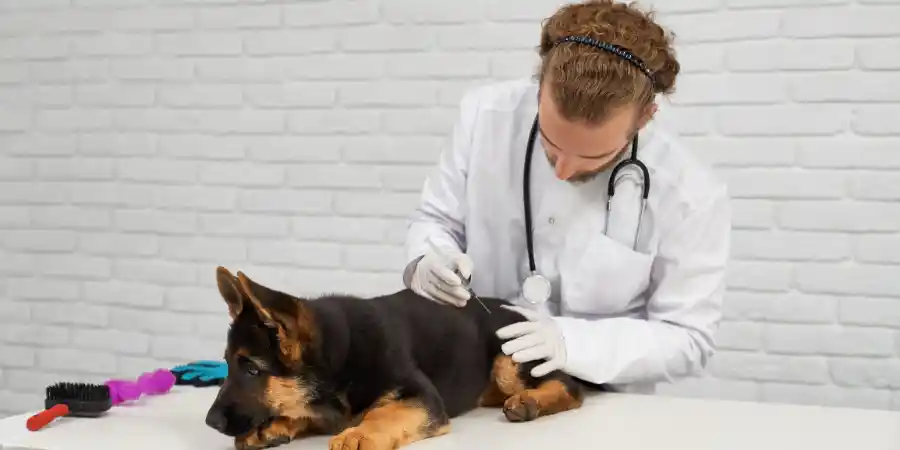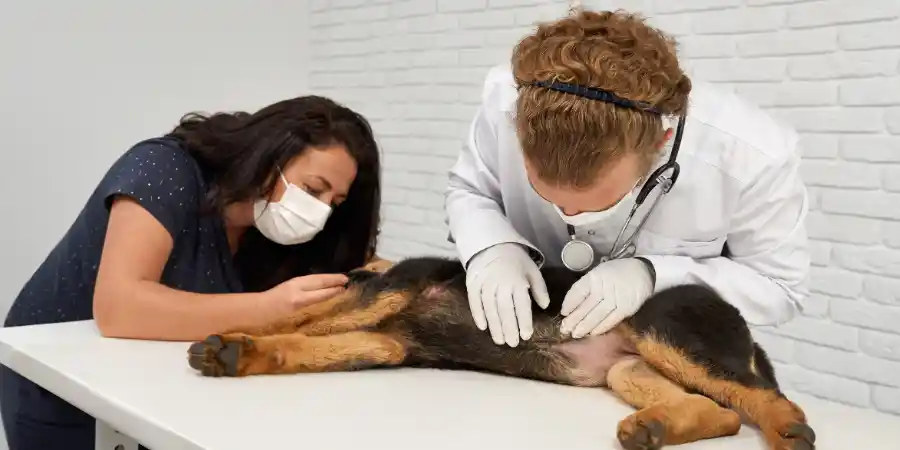
Your dog just got vaccinated and now they’re shaking and your stomach has dropped. You don’t know if this is normal or a sign something is seriously wrong. Most dogs who shake after a vaccine are reacting to mild discomfort or stress. But some are not. This guide tells you exactly what causes the shaking, how to read your dog’s symptoms, and what to do right now.
Why Is My Dog Shaking After Vaccination?
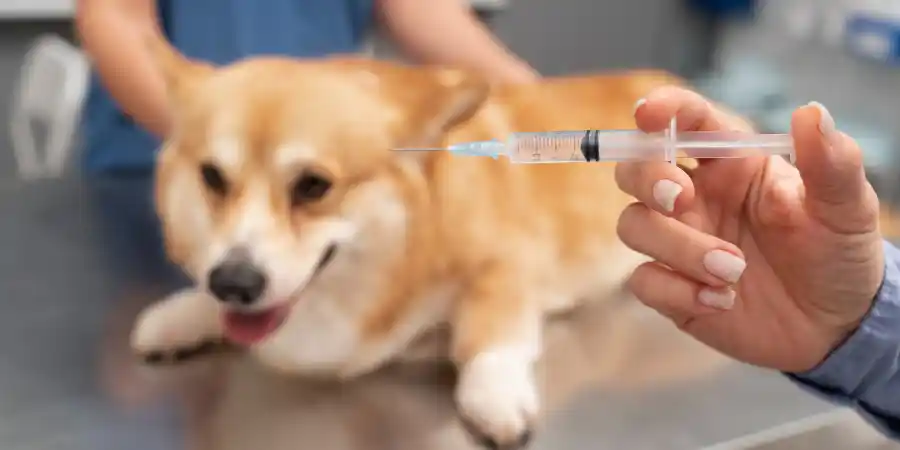
Shaking after a vaccine is not one thing it has five distinct causes, and knowing which one applies to your dog changes what you should do next.
A dog shaking after a vaccine is usually experiencing a normal immune response, a mild fever, or stress from the vet visit.Mild shaking after a vaccination is usually not serious, often stemming from minor muscle soreness, mild fever, or stress. However, it can occasionally signal a painful reaction or a dangerous allergic response. Most minor symptoms resolve within 24 to 48 hours.
| Cause | What It Looks Like | How Long It Lasts |
|---|---|---|
| Injection site pain | Trembling when touched near the shot area | A few hours |
| Low-grade fever | Shivering, warm ears, low energy | 12–24 hours |
| Immune system response | General trembling, tiredness | 24–48 hours |
| Stress or fear | Shaking that started at the vet clinic | Stops once home |
| Mild allergic reaction | Shaking plus hives, swelling, or vomiting | Needs vet attention |
Most dogs shake for one of the first three reasons. Those resolve on their own without any treatment.
Normal Shaking vs Serious Shaking
The key question is not “is my dog shaking?” It is “what else is happening while my dog shakes?”
| Normal Shaking | Serious Shaking |
|---|---|
| Mild trembling only | Shaking plus facial swelling |
| Lasts a few hours | Lasts more than 4–6 hours |
| Dog still drinks water | Dog collapses or cannot stand |
| Starts after you get home | Shaking combined with breathing trouble |
| Dog responds to your voice | Dog seems disoriented or unresponsive |
If your dog only shakes and shows nothing else from the “serious” column, watch and wait. If you see anything in the right column, call your vet immediately.
Is It Shaking or a Seizure? How to Tell
This is something no other guide explains clearly and it matters.
Shaking from a vaccine reaction looks like trembling or shivering. Your dog stays conscious, responds to their name, and can move normally. A seizure looks very different. The dog loses control of their body, may fall to the floor, paddle their legs, or lose bladder control. They do not respond to you during the episode.
If you see muscle jerking, eye rolling, drooling, or your dog goes stiff and rigid that is a seizure, not shaking. Get to an emergency vet immediately. Seizures after vaccination are extremely rare but real.
Small Dog Breeds and Vaccine Shaking
If you own a Chihuahua, Dachshund, Miniature Pinscher, or similar small breed, this section is important.
Small dogs tremble naturally. It is part of how their nervous system works and how they regulate body temperature. Many owners bring a naturally-trembling small dog to the vet, come home after vaccination, and then panic thinking the vaccine caused the shaking. In reality, the dog was already shaking the timing just made it seem connected.
If your small dog has always been a trembler and shakes the same way after vaccination as they do normally, it is almost certainly not a vaccine reaction. Watch for the “serious” column symptoms in the table above those tell you whether something is actually wrong.
Fear Shaking vs Vaccine Reaction Shaking
These two look identical but have different causes and different starting points.
Fear shaking starts at the vet clinic, often before the injection even happens. Your dog shakes in the waiting room, during the exam, or the moment they smell the clinic. This shaking comes from anxiety, not the vaccine.
Vaccine reaction shaking starts after you get home, usually 30 minutes to a few hours after the shot. If your dog calmed down at the clinic and then started shaking later that is more likely a true vaccine response. If they were already trembling at the vet and it continued, anxiety is the more likely cause.
Does the Vaccine Type Affect Shaking?
Yes and this is worth knowing before your dog’s next vet visit.
The rabies vaccine causes more injection site soreness than the DHPP vaccine. It goes into muscle tissue, typically the right hind leg, and that area can stay tender for several hours. Dogs vaccinated with rabies are more likely to shake from pain and discomfort at the injection site than dogs who only received DHPP.
The Bordetella vaccine, given as a nasal spray, causes different reactions mainly sneezing and runny nose rather than shaking.
Multiple Vaccines in One Visit
Vets often give two or more vaccines in a single appointment. This is efficient but it does increase the chance of a reaction.
When your dog receives multiple injections at once, their immune system processes several challenges simultaneously. The combined immune response is stronger, and side effects including shaking are more likely and sometimes more intense. If your dog has reacted before, ask your vet about spacing vaccines across separate visits. It is a simple step that reduces reaction risk significantly.
You can also use the dog care plan tool on our site to track your dog’s vaccination history and plan ahead.
What To Do Right Now If Your Dog Is Shaking
Do not just “wait and see.” Take these steps in order.
Step 1 — Check for other symptoms first. Shaking alone is low risk. Shaking plus swelling, breathing changes, or collapse is an emergency. Separate these two situations before you do anything else.
Step 2 — Move your dog to a calm, quiet space. Reduce noise and stimulation. Anxiety makes shaking worse, so a quiet room helps your dog settle faster.
Step 3 — Offer fresh water. A mild fever or immune response can make dogs dehydrated. Use the pet water intake calculator to check how much your dog should be drinking daily.
Step 4 — Do not force food. Reduced appetite after a vaccine is normal. Do not try to make your dog eat if they are not interested within the first few hours. Read more about this in our guide on why dogs stop eating after vaccination.
Step 5 — Do not give human pain relievers. Aspirin, ibuprofen, and acetaminophen are toxic to dogs. If your dog is in clear pain, call your vet before giving anything. Check our guide on at-home pain management for dogs for safe options.
Step 6 — Watch for 4–6 hours. If shaking decreases and no new symptoms appear, your dog is recovering normally. If shaking stays the same or gets worse after 4 hours, call your vet.
Red Flag Symptoms, When to Call Your Vet
Call your vet immediately if your dog shows any of the following after vaccination:
| Symptom | What It Could Mean |
|---|---|
| Facial or muzzle swelling | Allergic reaction |
| Difficulty breathing or wheezing | Anaphylaxis |
| Repeated vomiting | Moderate to severe reaction |
| Hives or raised skin bumps | Allergic response , read our hives in dogs guide |
| Collapse or inability to stand | Anaphylactic shock |
| Shaking that lasts more than 6 hours | Reaction not resolving |
| Seizure-like muscle jerking | Neurological emergency |
Most serious reactions appear within 30–60 minutes of vaccination. This is why vets sometimes ask you to wait in the clinic after shots — it is not routine caution, it is genuine safety protocol.
Also read: Dog Swelling After Vaccination | Dog Sleeping After Vaccination | Dog Behavior Changes After Vaccination
Use our tools :
- https://mydogwell.com/pet-age-calculator/
- https://mydogwell.com/get-your-dog-care-plan/
- https://mydogwell.com/pet-water-intake-calculator/
- https://mydogwell.com/emergency-drug-calculator-for-dogs-cats/
At mydogwell.com, we keep things simple. No complicated terms, no confusing information just practical advice to help you understand your dog better and keep them healthy.
FAQs
How long should my dog shake after vaccination?
Mild shaking or trembling should stop within 24 to 48 hours after a dog receives a vaccination.
Is shaking after the rabies vaccine normal?
Brief, mild shaking or shivering can be a normal, temporary response to a mild fever or general discomfort after a rabies vaccination, but prolonged or severe shaking is not normal and requires medical attention.
Can I give my dog anything to stop the shaking?
Do not give human medications. Keep your dog warm, calm, and hydrated. If pain seems severe, call your vet for advice before giving anything.
My small dog always shakes , how do I know if this is vaccine related?
To know if your small dog’s shaking is vaccine-related, look at the timing and accompanying symptoms. Vaccine side effects usually start within hours to 48 hours of the shot and fade within 24 to 48 hours. If your dog always shakes or if the shaking started weeks after a visit, it is likely caused by something else.
When should I take my dog to an emergency vet?
If your dog has facial swelling, breathing difficulty, collapses, or cannot stand up go to an emergency vet without waiting to call first.
MEDICAL DISCLAIMER: This article is for
informational purposes only. MyDogWell.com is not
operated by licensed veterinarians. Always consult
with a licensed veterinarian before making any
health decisions for your dog.
[Read Full Medical Disclaimer]:https://mydogwell.com/medical-disclaimer/