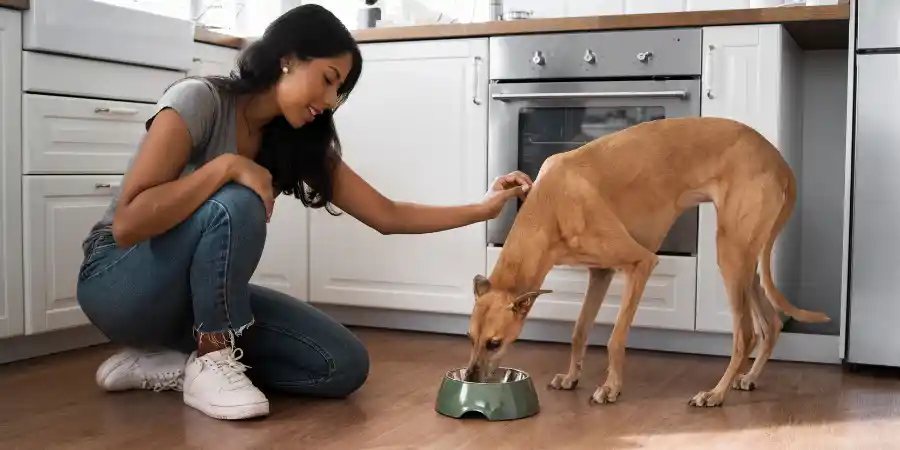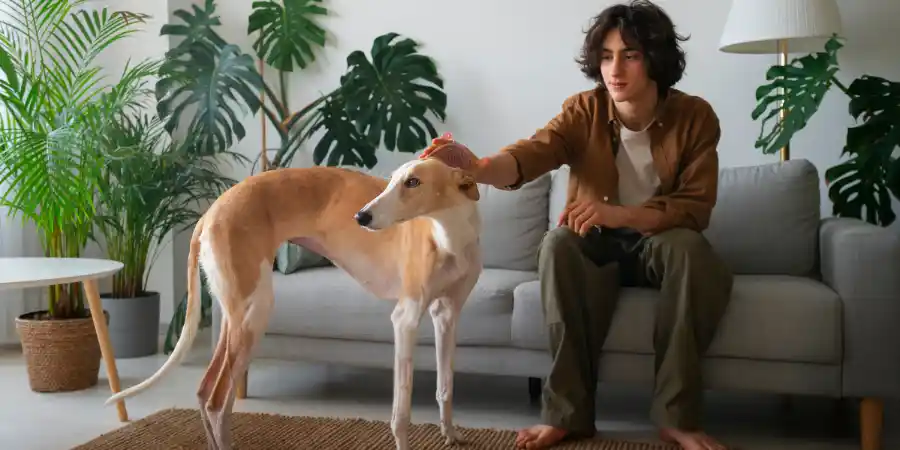
Your dog used to run circles around the backyard, jump on the couch, and beg for walks. Now they spend most of the day sleeping, show no interest in play, and barely move. When a dog suddenly becomes inactive, it’s not laziness it’s a warning sign. This guide explains what causes sudden inactivity in dogs, how to tell if it’s serious, and exactly when you need emergency vet care.
The Difference Between a Tired Dog and an Inactive Dog
This distinction matters because it determines how urgently you need to act. A tired dog is one who’s sleeping but can still be roused easily. If you shake a treat bag or jingle a leash, they pop up and engage. A tired dog just had a long walk, came from daycare, or was playing hard. They sleep it off and return to normal energy within 24 hours.
An inactive dog (lethargic) shows no interest in getting up even for things they normally love. They don’t respond to treats, toys, or the word “walk.” They move slowly when they do move. They avoid stairs, jumping, and play. This inactivity lasts more than a day and represents a change from their normal baseline.
If your dog’s inactivity is new, ongoing, or accompanied by other signs, contact your vet.
Why Is My Dog Not Active Anymore? The 9 Most Common Causes
1. Pain or Illness
A dog stops moving when something hurts. Arthritis, hip dysplasia, ear infections, dental pain, digestive issues, and urinary tract infections all cause dogs to slow down dramatically. Your dog isn’t being lazy they’re protecting themselves from pain.
Signs of hidden pain include reluctance to jump, difficulty climbing stairs, stiffness after rest, loss of appetite, or whimpering when touched in certain areas. Some dogs hide pain completely and only show inactivity as the symptom.
What to do: Schedule a vet exam within 24 hours. Describe when the inactivity started and what else changed about your dog’s behavior.
Related: How to Tell If Your Dog Has a Toothache: Signs and What to Do
2. Vaccine Side Effects
Dogs sometimes show reduced activity, lethargy, loss of appetite, or mild fever within 12-48 hours of vaccinations. Most side effects are mild and resolve within 2-3 days. Your dog’s body is responding to the vaccine, which is normal.
However, if inactivity is severe, paired with difficulty breathing, vomiting, diarrhea, swelling, or lasts more than 3 days, contact your vet immediately.
Related: Dog Behavior Changes After Vaccination: What’s Normal?
3. Medication Side Effects
New medications can cause lethargy. Steroids, pain medications, antibiotics, anti-anxiety medications, and some heart medications all have side effects that reduce energy. Your dog may seem depressed or uninterested in activities they normally love.
What to do: Call your vet and describe the inactivity. Don’t stop the medication. Your vet may adjust the dose, change the timing, switch medications, or add something to counteract the side effect.
4. Hypothyroidism
When the thyroid doesn’t produce enough hormones, dogs become lethargic, gain weight despite normal eating, lose interest in play, and move slowly. This is very common in adult and senior dogs. Hypothyroidism develops gradually, so inactivity creeps up slowly over weeks or months.
Other signs include dry skin/coat, cold intolerance, and hair loss. This condition is easily diagnosed with a blood test and managed with daily medication.
What to do: If your dog’s inactivity developed gradually and they’ve also gained weight or have coat changes, ask your vet to check thyroid levels.
5. Anemia (Low Red Blood Cell Count)
Dogs with anemia don’t have enough oxygen-carrying cells, so even light activity exhausts them. They become profoundly lethargic, pale gums, exercise intolerance, and sometimes depression.
Anemia can result from internal bleeding, injury, immune system disorders, parasites, or cancer. It’s not something you can manage at home it requires veterinary diagnosis and treatment of the underlying cause.
What to do: If your dog shows sudden inactivity plus pale gums or extreme weakness, see your vet urgently.
6. Heart Disease or Exercise Intolerance
A dog with heart disease becomes inactive to protect themselves. They struggle after light activity, breathe heavily, cough, or show labored breathing. Some collapse during or after exercise. This is a serious condition that can become life-threatening.
Exercise intolerance is especially common in senior dogs or certain breeds (Cavalier King Charles Spaniels, Bulldogs, Boxers). Don’t ignore it.
What to do: If your dog shows breathing difficulty, coughing, or collapse during exercise, go to the emergency vet immediately.
7. Parasitic Infections
Hookworms, roundworms, tapeworms, and other parasites drain your dog’s energy and nutrition. Dogs with parasites become lethargic, may lose weight, have diarrhea or vomiting, and show no interest in play. Puppies and dogs with poor immune systems are especially vulnerable.
What to do: Have your vet do a stool sample test. Parasites are easily treated with medication.
8. Depression or Stress
Dogs get depressed. Major life changes (loss of a companion, moving homes, schedule disruption, abuse), stress, anxiety, or lack of stimulation can cause dogs to withdraw and become inactive. A depressed dog loses interest in activities they normally love, eats less, and isolates.
What to do: Rule out medical issues first with a vet exam. If your dog is medically healthy, work with a dog behaviorist or trainer. Increase exercise, mental stimulation, and one-on-one time. In severe cases, your vet may recommend anti-anxiety medication.
Related: Why Is My Dog Acting Strange All of a Sudden? Common Causes & What to Do
9. Age-Related Changes
Senior dogs naturally slow down. It’s not a disease; it’s aging. An 8-year-old dog isn’t expected to run like a 2-year-old. However, sudden drops in activity in a senior dog even when you’d expect gradual decline warrant investigation for pain, cognitive dysfunction, or medical issues.
What to do: Schedule regular senior wellness exams (twice yearly for dogs 7+). Monitor for other signs: confusion, house training accidents, or anxiety. These suggest cognitive dysfunction requiring management.
Quick Decision Guide: Is Your Dog’s Inactivity Serious?
| Inactivity Pattern | Likely Cause | Urgency | Action |
|---|---|---|---|
| Inactivity only after exercise | Normal fatigue, possible heart disease | If extreme/beyond normal rest period: urgent | Monitor recovery time, vet exam if takes too long |
| Sudden inactivity + lethargy + no appetite | Illness, pain, vaccine reaction | 24 hours | Schedule vet exam, monitor temperature |
| Gradual inactivity over weeks + weight gain | Hypothyroidism or depression | Routine (within a week) | Vet exam, thyroid blood test |
| Inactivity + pale gums + weakness | Anemia or bleeding | URGENT NOW | Go to vet or emergency vet same day |
| Inactivity + breathing difficulty + coughing | Heart disease or respiratory issue | EMERGENCY NOW | Go to emergency vet immediately |
| Inactivity + vomiting/diarrhea + abdominal pain | GI illness, parasites, bloat | EMERGENCY if vomiting + pain | Go to emergency vet or call for urgent guidance |
| Inactivity lasting 24+ hours with no trigger | Unknown medical issue | 24 hours | Schedule vet exam today |
| Inactivity only in hot weather | Heat intolerance, possible heart issue | Routine but monitor | Keep dog cool, vet exam if continues |
| Senior dog increasingly inactive | Normal aging but monitor for pain | Routine | Senior wellness exam, pain management if needed |
Emergency Signs: When Inactivity Means Go to the Vet NOW
Go to the emergency vet immediately if your inactive dog also shows:
- Difficulty breathing or excessive panting
- Severe lethargy (can’t stand or barely moves)
- Loss of consciousness or unresponsiveness
- Vomiting or diarrhea (especially with blood)
- Extreme weakness or collapse
- Trembling or shaking
- Pale gums or pale tongue
- Abdominal swelling or obvious pain
- Coughing, especially with activity
- Inability to urinate or defecate
- Suspected poisoning or toxin exposure
Call your regular vet today if:
- Sudden inactivity with no obvious trigger
- Inactivity lasting more than a few hours
- Inactivity plus loss of appetite (more than a few hours)
- Any concerning behavior change accompanying inactivity
Monitor at home if:
- Normal tiredness after known exercise or activity
- Mild lethargy after vaccination (normal within 48 hours)
- Gradual slowdown in senior dog with no pain signs
What Active Dogs Should Look Like: Age-by-Age Guide
Understanding your dog’s normal baseline makes spotting abnormal inactivity easy.
| Life Stage | Normal Activity Level | Red Flag for Inactivity | What to Do |
|---|---|---|---|
| Puppy (8 weeks – 6 months) | Very high energy; frequent short bursts of play followed by crashes | No interest in play, constant sleeping, not pouncing/exploring | Vet exam to rule out illness/parasites |
| Adolescent (6 months – 2 years) | High energy; sustained play sessions, excitement about walks | Sudden drop in energy, reluctance to engage | Assess exercise level; vet exam if sudden change |
| Young Adult (2-7 years) | Good energy; active during walks/play, alert to environment | Lethargy despite good sleep; no interest in normal activities | Medical evaluation required—don’t assume it’s behavioral |
| Senior (7+ years) | Moderate energy; shorter walks okay, naps longer but still engages | Profound inactivity all day; refusal to move even for food | Pain/cognitive dysfunction/illness evaluation needed |
Breed-Specific Activity Baselines Matter
Some breeds are naturally more laid-back. A Basset Hound sleeping 18 hours daily is normal. A Border Collie sleeping 18 hours daily is a red flag.
High-Energy Breeds (expect 1-2+ hour activity daily):
- Labrador Retrievers, Golden Retrievers, Border Collies, Huskies, Australian Shepherds, Jack Russell Terriers, Weimaraners
Moderate-Energy Breeds (expect 30-60 minutes activity daily):
- Beagles, Cocker Spaniels, Boxers, Standard Poodles, Australian Cattle Dogs
Low-Energy Breeds (expect 20-30 minutes activity daily):
- Basset Hounds, Bulldogs, Shih Tzus, Maltese, Pugs, Chihuahuas
If your high-energy breed suddenly acts like a low-energy breed, that’s abnormal.
How to Spot Inactivity Before It Gets Serious
Track these changes weekly:
✓ Daily walk interest – Does your dog pull on the leash or drag behind?
✓ Play engagement – Do they initiate play or respond to toys?
✓ Stair/jump willingness – Do they hesitate or avoid these movements?
✓ Sleep patterns – Are they sleeping more than normal?
✓ Meal excitement – Do they run to the food bowl?
✓ Window watching – Do they show interest in outside activity?
✓ Greeting behavior – Do they greet you when you come home?
When 3+ of these show change, contact your vet.
Increasing Your Inactive Dog’s Activity Safely
Never force activity. If your dog is inactive due to illness or pain, forced exercise causes harm. But for depression, anxiety, or deconditioning, gradual activity increases help.
Step 1: Vet Clearance Get medical issues ruled out first. Pain must be treated before increasing activity.
Step 2: Short, Frequent Outings Instead of one long walk, try three 10-minute walks daily. This builds tolerance gradually.
Step 3: Mental Stimulation Puzzle toys, training sessions, and sniffing games engage the brain and boost energy without intense physical activity.
Step 4: Consistent Schedule Same walk times daily help dogs anticipate activity and build routine.
Step 5: Gradual Increase Add just 5 minutes of activity every few days. Don’t jump from zero to normal suddenly.
Tools to Monitor Your Dog’s Activity Level
At mydogwell.com, we provide resources to help you track your dog’s health:
- Dog Age Calculator – Know your dog’s life stage and activity expectations
- Dog BMI Calculator – Track body condition (weight affects activity)
- Pet Water Intake Calculator – Dehydration causes lethargy
- Dog Health Screening Tools – Monitor overall wellness
FAQ’s
Q: Is it normal for my dog to be less active as they age?
A: Some activity decline is normal with age. Senior dogs tire more easily and need shorter walks. But sudden inactivity, even in a senior, isn’t normal aging—it’s a sign of pain, illness, or cognitive issues. Get a vet exam.
Q: My dog is inactive but eats normally. Should I still worry?
A: Yes. Inactivity without appetite loss is still abnormal. Some very sick dogs still eat (especially if food-motivated). Don’t assume normal eating means your dog is fine.
Q: Can vaccine side effects cause inactivity?
A: Yes. Mild lethargy within 48 hours of vaccination is normal as your dog’s immune system responds. But if inactivity is severe, includes difficulty breathing, or lasts more than 3 days, call your vet.
Q: How long should I give my dog to “recover” before calling the vet?
A: If inactivity is new and sudden, call within a few hours or the same day. Don’t wait 24+ hours hoping it passes. Early intervention catches problems faster.
Q: My old dog is just lazy. Is that okay?
A: It depends. If your dog has always been lazy and is showing no other changes, it’s probably fine. But if your previously active dog became lazy, or your senior started acting confused alongside inactivity, that requires investigation.
Q: Can depression make my dog inactive?
A: Yes. Dogs experience depression from major life changes, loss of companions, or severe anxiety. A depressed dog loses interest in normal activities, eats less, and isolates. Rule out medical issues first, then work with a behaviorist.
Q: What if my vet finds nothing wrong but my dog is still inactive?
A: If medical issues are ruled out, consider: Has anything changed in your dog’s environment? Are they getting enough exercise and mental stimulation? Do they have separation anxiety? A dog trainer or behaviorist can help identify behavioral causes.
Q: Is it ever okay to just let my dog rest and be less active?
A: Resting after known heavy activity is fine. But unexplained, ongoing inactivity isn’t something to ignore—it’s your dog’s way of communicating something is wrong.
Signs of Hidden Pain Your Inactive Dog Might Have
Dogs don’t always cry or yelp. Here’s what hidden pain actually looks like in an inactive dog:
- Reluctance to jump on furniture or climb stairs
- Stiffness, especially after rest
- Difficulty rising from a lying position
- Panting even when resting
- Trembling or muscle tension
- Excessive licking or chewing of one area
- Avoidance of touch on certain body parts
- Changes in gait (limping, “bunny hopping,” stiff walking)
- Loss of appetite
- Restlessness (can’t find comfortable position)
- House training accidents despite being trained
- Aggression or snapping when touched (pain response)
Conclusion
Inactivity in dogs is not laziness. It’s communication. Your dog is telling you something is wrong—pain, illness, medication side effects, vaccine reaction, or behavioral distress. A quick vet exam rules out medical emergencies and identifies treatable conditions. Even if the vet finds nothing wrong medically, that information guides your next steps.
Your dog depends on you to notice changes and act. Trust your instincts. If something feels off, it probably is.
Related Articles: